TOTAL VOLUME:
$154.4b
24H VOL:
$230,589,906
24H TRANSACTIONS:
2,984,028,936
OPEN INTEREST:
$1,885,293,300
410,482
Markets across
40,213
events
MATCHED EVENTS:
4,340
PLATFORM COVERAGE:
5
Polymarket:
37%
VS.
Kalshi:
63%
Closed: Oct 9, 2:39 PM EST

Kalshi
Intro
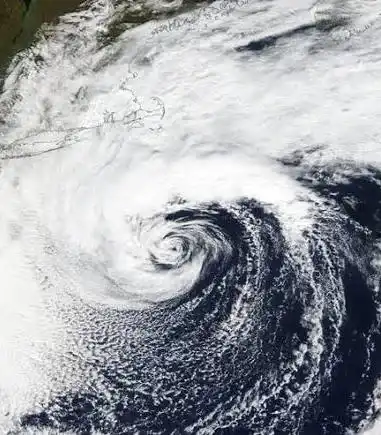
This market tracks whether Hurricane Isaias will reach Category 4 or Category 5 intensity, based on maximum sustained wind speeds. Currently, the probability of Isaias becoming a Category 4 hurricane is 100.0%, and the probability of it becoming a Category 5 hurricane is also 100.0% on Kalshi. Resolution will be determined by whether Isaias reaches sustained winds of at least 130 mph, according to data from the NOAA National Hurricane Center. Keep an eye on forecasts leading up to December 1, 2026, as this date represents the end of the betting period and the point at which the market will resolve based on Isaias’ peak intensity.
Kalshi
Multiple markets assess Hurricane Isaias's intensity through ascending wind-speed thresholds corresponding to hurricane categories. Each market resolves to 'Yes' if Isaias achieves the specified minimum sustained wind speed—74 mph for Category 1, 96 mph for Category 2, 111 mph for Category 3, 130 mph for Category 4, or 157 mph for Category 5—as officially recorded by the NOAA National Hurricane Center. Regardless of category, all markets share a common expiration rule: if the triggering event occurs before December 1, 2026, the market settles at the first 10:00 AM Eastern Time following the event. This structure allows participants to evaluate the storm’s potential severity across different strength tiers using a unified timing framework.
Frequently asked questions
This market resolves around Dec 1, 2026, with the outcome confirmed once the event is verifiable from credible public reporting. The final classification will be determined by authoritative meteorological agencies, and the market will close based on their official announcement regarding Hurricane Isaias’s peak category.
Key signals include official updates from weather services on storm intensity, path changes, and any rapid strengthening or weakening. Natural developments—such as unexpected wind speed measurements or shifts in atmospheric conditions—can cause rapid re-pricing. Traders will also watch for warnings or advisories that suggest a higher or lower category than currently expected.


