TOTAL VOLUME:
$154.3b
24H VOL:
$219,029,434
24H TRANSACTIONS:
2,984,028,936
OPEN INTEREST:
$1,869,293,526
411,051
Markets across
40,408
events
MATCHED EVENTS:
4,377
PLATFORM COVERAGE:
5
Polymarket:
37%
VS.
Kalshi:
63%
Closed: Oct 9, 1:24 PM EST

Kalshi
Intro
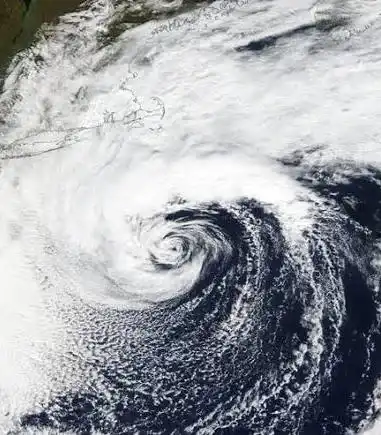
This market tracks whether Hurricane Fay will reach Category 1 or Category 2 intensity, based on maximum sustained wind speeds as recorded by NOAA’s National Hurricane Center. Currently, the probability of Fay becoming a Category 1 hurricane is 100.0%, while the probability of it becoming a Category 2 hurricane is also 100.0% on Kalshi. The market will resolve based on whether Fay reaches sustained winds of at least 96 mph. Keep an eye on forecasts leading up to December 1, 2026, as this date represents the end of the betting period and the point at which the storm’s peak intensity will be assessed for resolution.
Kalshi
The event evaluates whether Hurricane Fay achieves specified wind speed thresholds that classify it as a Category 1 or higher storm, with separate markets for Categories 2 through 5. Each market has a distinct primary rule defining the exact wind speed required for resolution to 'Yes'—74 mph for Category 1, 96 mph for Category 2, 111 mph for Category 3, 130 mph for Category 4, and 157 mph for Category 5—all measured by the NOAA's National Hurricane Center. Regardless of the category threshold, if Hurricane Fay reaches the required wind speed before December 1, 2026, each market resolves at the first 10:00 AM ET following the occurrence of the event, ensuring timely closure based on official meteorological data.
Frequently asked questions
Currently, prediction market odds imply a different likelihood profile than many analyst forecasts for this storm's intensity. While analysts may emphasize certain models or regional trends, traders in this market are pricing in a range of scenarios based on real-time data feeds and recent storm behavior. The divergence can highlight under-appreciated risks or overreactions in traditional forecasts.
This market resolves around Dec 1, 2026, with the outcome confirmed once the event is verifiable from credible public reporting. The final category will be determined by authoritative meteorological agencies' official classifications after the storm has passed landfall and its intensity data is fully recorded.
Key signals include updates from major forecasting agencies on Hurricane Fay's wind speed, central pressure, and landfall location. Any sudden intensification or weakening, shifts in the storm's trajectory toward or away from coastal regions, and real-time satellite data could all shift trader sentiment. Model consensus changes and emergency management advisories often drive short-term price swings in this market.


