TOTAL VOLUME:
$154.3b
24H VOL:
$228,458,490
24H TRANSACTIONS:
2,984,028,936
OPEN INTEREST:
$1,879,276,037
410,833
Markets across
40,345
events
MATCHED EVENTS:
4,363
PLATFORM COVERAGE:
5
Polymarket:
37%
VS.
Kalshi:
63%
Closed: Oct 12, 6:10 PM EST

Polymarket
Description
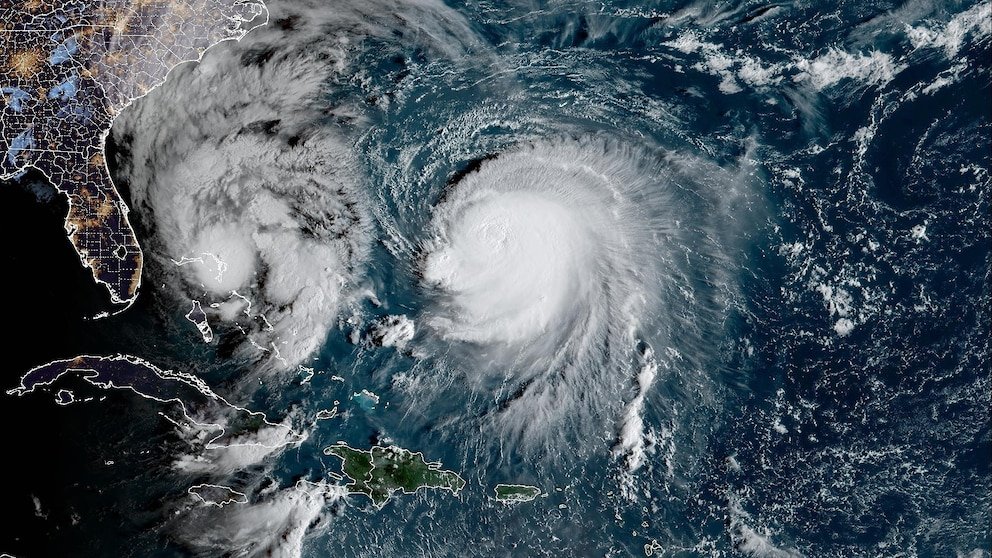
This market will resolve according to the peak intensity of Isaias (NHC designation AL092026). Peak intensity means the highest Saffir-Simpson Hurricane Wind Scale category assigned to Isaias in any Tropical Cyclone Public Advisory issued for the storm. The category is stated in the advisory and is determined by maximum sustained wind speed (1-minute average): Category 1 is 74 to 95 mph, Category 2 is 96 to 110 mph, Category 3 is 111 to 129 mph, Category 4 is 130 to 156 mph, and Category 5 is 157 mph or greater. Each category includes both of its stated bounds, so every possible peak wind speed falls in exactly one category. If Isaias never reaches Category 1 strength, "Category 1 or weaker" will resolve to "Yes". Wind speeds will be used exactly as published, without rounding. Maximum sustained winds are reported in increments of 5 mph. Post-storm best track data and the Tropical Cyclone Report for Isaias will not be considered for resolution. Advisories issued by any agency other than the National Hurricane Center will not be considered for resolution. This market will resolve once Isaias dissipates. If Isaias has not dissipated by October 20, 2026, 11:59 PM ET, or if the advisory data needed to determine its peak intensity has not been published by that time, this market will remain open for up to 2 calendar days (ET) after that date; it will then resolve based on the finalized advisory data published up to that point. If the data is still unavailable at the end of that period, or publication has been discontinued, this market will resolve according to the highest category assigned to Isaias in any advisory published up to that point. In case of obvious data integrity issues (i.e., erroneous data), the market may remain open until the end of the third calendar day (ET) after such data is first released to allow for corrections; this applies only to clerical or similar errors, not to the issuing center differing from other sources. A reanalysis or reclassification of Isaias's intensity published after Isaias dissipates will not change the resolution of this market. Revisions published before Isaias dissipates will be considered; revisions published after it dissipates will not be considered for resolution. The primary resolution source for this market will be the Tropical Cyclone Public Advisories issued for Isaias by the National Hurricane Center (https://www.nhc.noaa.gov/), specifically the category and the maximum sustained wind speed stated in the advisory.
Polymarket
This market will resolve according to the peak intensity of Isaias (NHC designation AL092026). Peak intensity means the highest Saffir-Simpson Hurricane Wind Scale category assigned to Isaias in any Tropical Cyclone Public Advisory issued for the storm. The category is stated in the advisory and is determined by maximum sustained wind speed (1-minute average): Category 1 is 74 to 95 mph, Category 2 is 96 to 110 mph, Category 3 is 111 to 129 mph, Category 4 is 130 to 156 mph, and Category 5 is 157 mph or greater. Each category includes both of its stated bounds, so every possible peak wind speed falls in exactly one category. If Isaias never reaches Category 1 strength, "Category 1 or weaker" will resolve to "Yes". Wind speeds will be used exactly as published, without rounding. Maximum sustained winds are reported in increments of 5 mph. Post-storm best track data and the Tropical Cyclone Report for Isaias will not be considered for resolution. Advisories issued by any agency other than the National Hurricane Center will not be considered for resolution. This market will resolve once Isaias dissipates. If Isaias has not dissipated by October 20, 2026, 11:59 PM ET, or if the advisory data needed to determine its peak intensity has not been published by that time, this market will remain open for up to 2 calendar days (ET) after that date; it will then resolve based on the finalized advisory data published up to that point. If the data is still unavailable at the end of that period, or publication has been discontinued, this market will resolve according to the highest category assigned to Isaias in any advisory published up to that point. In case of obvious data integrity issues (i.e., erroneous data), the market may remain open until the end of the third calendar day (ET) after such data is first released to allow for corrections; this applies only to clerical or similar errors, not to the issuing center differing from other sources. A reanalysis or reclassification of Isaias's intensity published after Isaias dissipates will not change the resolution of this market. Revisions published before Isaias dissipates will be considered; revisions published after it dissipates will not be considered for resolution. The primary resolution source for this market will be the Tropical Cyclone Public Advisories issued for Isaias by the National Hurricane Center (https://www.nhc.noaa.gov/), specifically the category and the maximum sustained wind speed stated in the advisory.
Frequently asked questions
Currently, the prevailing sentiment in this market suggests a very high probability that Isaias will reach Category 4 strength. This contrasts with some initial analyst forecasts, which were more spread out across different categories. However, it’s important to remember that prediction market odds represent a collective forecast from a diverse group of traders, while analyst forecasts are individual opinions. The market’s price reflects the aggregated wisdom of the crowd, constantly updating as new information becomes available, and differs from a single point-in-time forecast.
On Polymarket, this market is priced through a continuous, decentralized exchange. Traders buy and sell shares representing different outcomes – in this case, various peak intensity categories for Isaias. The price of each share reflects the market’s implied probability of that outcome occurring. On Polymarket, prices reflect that venue's order book, liquidity, and how traders price the outcome right now. As more traders buy shares in a particular outcome, its price increases, and the probability of that outcome, as reflected by the market, rises accordingly. This dynamic pricing mechanism ensures the market remains responsive to new information and changing perceptions of risk.
This market resolves around Oct 21, 2026, with the outcome confirmed once the peak intensity of Isaias is verifiable from credible public reporting. The National Hurricane Center’s official reports will likely be the primary source for determining the maximum sustained wind speed reached by the storm. The market will settle based on the highest category Isaias attains, as defined by the Saffir-Simpson Hurricane Wind Scale. Traders should monitor official updates from meteorological agencies as the resolution date approaches.
Several factors could significantly impact this market. Changes in the projected path of Isaias, updates from the National Hurricane Center regarding its intensity, and even shifts in broader weather patterns could all influence trading activity. Unexpected strengthening or weakening of the storm, or a landfall location differing from current projections, would likely cause the odds to shift. Any new data suggesting a higher or lower potential peak intensity will be quickly reflected in the prices within this market, as traders adjust their positions based on the latest information.


