TOTAL VOLUME:
$134.2b
24H VOL:
$130,522,377
24H TRANSACTIONS:
2,388,728,490
OPEN INTEREST:
$1,438,389,636
404,028
Markets across
30,214
events
MATCHED EVENTS:
2,681
PLATFORM COVERAGE:
5
Polymarket:
39%
VS.
Kalshi:
61%
>9
- Polymarket
>9 - Polymarket
1W
News
Positive
Negative
Neutral
Hover marker for details
Vol.
·
Resolved Jun 9, 2026
Latest in Climate and Weather


Closed: Jun 7, 11:59 PM EST

Polymarket
Description
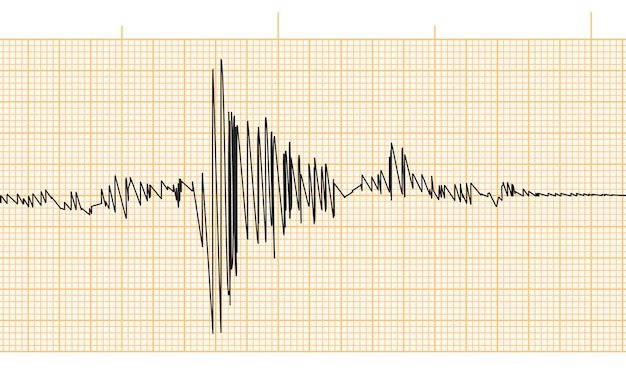
This market will resolve according to the total number of earthquakes with a magnitude of 5.5 or higher that occur anywhere on Earth between June 1, 2026, 12:00 AM ET, and June 7, 2026, 11:59 PM ET. The resolution source for this market is the United States Geological Survey (USGS) Earthquake Hazards Program, with the minimum magnitude set to 5.5 and the date parameters set to the relevant dates for this market's timeframe (https://earthquake.usgs.gov/earthquakes/search/). If an earthquake of substantial size has occurred within this market's timeframe but not yet appeared on the resolution source, this market may remain open until June 30, 2026, 11:59 PM ET, or until the earthquake in question otherwise appears on the resolution source. If such an earthquake has not appeared on the resolution source by that date, another credible resolution source will be used. This market may not resolve until the timeframe of this market has concluded. If a qualifying earthquake has been recorded on the final day, this market may remain open for 24 hours to allow for revisions to the recorded magnitude. After 24 hours, this market will resolve according to the latest provided data.
Frequently asked questions
Prediction market odds on Polymarket reflect crowdsourced expectations from traders with real money at stake, whereas seismic analysts and geological agencies publish probabilistic forecasts based on historical earthquake frequency, tectonic stress models, and recent seismic activity. Markets often incorporate analyst data but may diverge when traders assign different weights to emerging signals or geophysical indicators. Comparing the two reveals whether the crowd is pricing in more or less seismic risk than institutional experts expect for this specific June week.
On Polymarket, prices reflect that venue's order book, liquidity, and how traders price the outcome right now. On Polymarket, traders buy and sell shares representing discrete outcome brackets—for example, zero earthquakes, one to two, three to five, or six-plus events. Each bracket has its own price, reflecting the collective probability assigned by the market. As new seismic data, geological reports, or tectonic forecasts surface during June 1–7, prices adjust in real time. The outcome with the highest trading volume typically indicates the most contested or uncertain scenario, while extreme prices signal high confidence in tail outcomes.
The market resolves on Jun 8, 2026, after the June 1–7 event window closes. Resolution is determined by the total count of earthquakes with magnitude 5.5 or above recorded during that seven-day period. Official seismic data from recognized geological monitoring agencies establishes the final tally. Traders' positions settle according to which outcome bracket the actual count falls into, with winnings distributed to those holding shares in the correct range.
Market prices will shift in response to real-time seismic activity during June 1–7, including any magnitude 5.5-plus earthquakes that occur and are officially recorded. Geological alerts, tsunami warnings, or aftershock sequences may trigger repricing as traders reassess the likelihood of additional large events. Pre-event signals such as updated tectonic forecasts, volcanic activity near fault zones, or unusual seismic swarms in high-risk regions can also move odds before the window opens. Each confirmed earthquake narrows uncertainty and reallocates probability across remaining outcomes.
'%3e%3ccircle%20cx='26'%20cy='26'%20r='26'%20fill='%23000'/%3e%3cpath%20fill='%23fff'%20d='M27.6629%2037.9855L31.004%2037.6925L32.1989%2051.3689C33.72%2051.027%2035.2073%2050.5486%2036.6425%2049.9395V37.8085H40.7697V47.7178C42.4942%2046.577%2044.0775%2045.236%2045.4865%2043.7226L46.0172%2037.6591L49.5548%2037.9678C51.5707%2034.0725%2052.5697%2029.7306%2052.4591%2025.3456C52.3484%2020.9605%2051.1317%2016.6746%2048.9219%2012.886L48.7903%2014.392L44.6631%2014.0303L45.1937%207.97067C43.8569%206.58147%2042.3706%205.34447%2040.7619%204.28222V14.2406H36.6347V2.06247C34.8743%201.313%2033.0358%200.762345%2031.1533%200.420753L32.3463%2014.0637L29.0052%2014.3566L27.7513%200.0314647C27.3308%200.0118035%2026.9062%200%2026.4817%200C24.8262%204.44017e-06%2023.1745%200.157349%2021.5487%200.469906L23.9072%2013.8985L21.364%2014.3468L19.0253%201.0853C16.8454%201.73668%2014.7611%202.67345%2012.8266%203.87129L15.4601%2013.7019L13.4634%2014.2387L11.0146%205.09226C9.12509%206.49278%207.43337%208.1422%205.98527%209.99577L7.26077%2013.5014L5.80446%2014.0322L4.88665%2011.5097C3.41845%2013.6953%202.29182%2016.092%201.54558%2018.6172L1.95829%2018.4678L7.2647%2033.0387L5.80839%2033.5696L1.06407%2020.5303C-0.0225105%2025.6016%200.430464%2030.8821%202.36486%2035.6941C4.29926%2040.5061%207.62683%2044.6301%2011.9206%2047.5369L9.45605%2038.3355L11.4528%2037.7987L14.4677%2049.0567C16.5333%2050.1354%2018.7355%2050.9291%2021.0142%2051.4161L18.6892%2038.1605L21.2343%2037.7122L23.7283%2051.8683C24.6462%2051.9654%2025.5686%2052.014%2026.4916%2052.0138C27.2954%2052.0138%2028.0933%2051.9764%2028.8795%2051.9037L27.6629%2037.9855Z'%20/%3e%3cpath%20fill='%23000'%20d='M46.0368%2018.1276L50.1542%2018.4875L48.804%2033.9372L44.6768%2033.5774L46.0368%2018.1276ZM36.6484%2018.279H40.7756V33.7858H36.6484V18.279ZM31.0099%2018.1611L32.3601%2033.6109L29.019%2033.9038L27.6668%2018.454L31.0099%2018.1611ZM13.481%2033.7898L9.4698%2018.8099L11.4666%2018.2751L15.4778%2033.2452L13.481%2033.7898ZM21.3817%2033.892L18.6892%2018.6211L21.2343%2018.1729L23.9248%2033.4418L21.3817%2033.892Z'%20/%3e%3c/g%3e%3c/svg%3e)

