TOTAL VOLUME:
$134b
24H VOL:
$103,397,351
24H TRANSACTIONS:
2,388,728,490
OPEN INTEREST:
$1,410,176,180
399,592
Markets across
30,097
events
MATCHED EVENTS:
2,622
PLATFORM COVERAGE:
5
Polymarket:
39%
VS.
Kalshi:
61%
Colorado
- Polymarket
Colorado - Polymarket
1W
News
Positive
Negative
Neutral
Hover marker for details
Vol.
·
Resolved Sep 11, 2026
Latest in Climate and Weather


Closed: Sep 10, 10:15 PM EST

Polymarket
Description
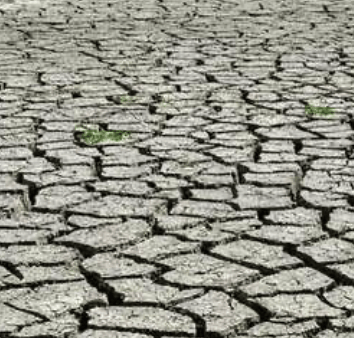
This market will resolve to "Yes" for each listed state that has D4 (Exceptional Drought) on 0.05% or more of its land area in the US Drought Monitor release for the week of September 8, 2026. Otherwise, this market will resolve to "No". D4 area below 0.05% is treated as cartographic noise at state borders and resolves "No". States appear only during the months in which they plausibly reach D4, so this event's roster changes through the year. 40 of the 48 coterminous states are in season for September: Alabama, Arizona, Arkansas, California, Colorado, Delaware, Florida, Georgia, Idaho, Illinois, Indiana, Iowa, Kansas, Kentucky, Louisiana, Maryland, Minnesota, Mississippi, Missouri, Montana, Nebraska, Nevada, New Jersey, New Mexico, North Carolina, North Dakota, Ohio, Oklahoma, Oregon, Pennsylvania, South Carolina, South Dakota, Tennessee, Texas, Utah, Virginia, Washington, West Virginia, Wisconsin, Wyoming. A state absent from this event is not making any claim about that state's drought — it simply has no market this week. Each USDM release covers the seven-day period ending Tuesday at 8:00 AM ET and is published the following Thursday. Resolution is based on the first published US Drought Monitor release for the listed week. Subsequent revisions will not be considered; the first published release is final. The resolution source for this market is the US Drought Monitor at droughtmonitor.unl.edu.
Polymarket
This market will resolve to "Yes" for each listed state that has D4 (Exceptional Drought) on 0.05% or more of its land area in the US Drought Monitor release for the week of September 8, 2026. Otherwise, this market will resolve to "No". D4 area below 0.05% is treated as cartographic noise at state borders and resolves "No". States appear only during the months in which they plausibly reach D4, so this event's roster changes through the year. 40 of the 48 coterminous states are in season for September: Alabama, Arizona, Arkansas, California, Colorado, Delaware, Florida, Georgia, Idaho, Illinois, Indiana, Iowa, Kansas, Kentucky, Louisiana, Maryland, Minnesota, Mississippi, Missouri, Montana, Nebraska, Nevada, New Jersey, New Mexico, North Carolina, North Dakota, Ohio, Oklahoma, Oregon, Pennsylvania, South Carolina, South Dakota, Tennessee, Texas, Utah, Virginia, Washington, West Virginia, Wisconsin, Wyoming. A state absent from this event is not making any claim about that state's drought — it simply has no market this week. Each USDM release covers the seven-day period ending Tuesday at 8:00 AM ET and is published the following Thursday. Resolution is based on the first published US Drought Monitor release for the listed week. Subsequent revisions will not be considered; the first published release is final. The resolution source for this market is the US Drought Monitor at droughtmonitor.unl.edu.
Frequently asked questions
Currently, comparing prediction market odds to analyst forecasts reveals interesting insights into expectations surrounding the 2026 drought. While traditional forecasts rely on complex climate models, this market aggregates the wisdom of the crowd, reflecting a diverse range of information and perspectives. Discrepancies between the two may indicate areas where the market perceives risks or opportunities not fully captured by conventional analysis. It's important to note that prediction markets often incorporate factors difficult to quantify in standard models, potentially leading to differing outlooks.
On Polymarket, this market is priced through a continuous auction mechanism, where traders buy and sell shares representing their belief in the likelihood of each state reaching D4 drought status. The price of a share directly reflects the implied probability of that outcome. On Polymarket, prices reflect that venue's order book, liquidity, and how traders price the outcome right now. The market’s price movements are driven by supply and demand, responding to new information and shifts in sentiment. Higher demand for shares in a particular state increases its price, indicating growing confidence in that outcome, and vice-versa.
This market resolves around Sep 10, 2026, with the outcome confirmed once the event is verifiable from credible public reporting. The US Drought Monitor, a weekly map of US drought conditions, will be the basis for determining which states meet the criteria for Exceptional Drought (D4) during the specified week. The market will settle based on the official D4 classifications published by the US Drought Monitor for the week of September 8, 2026, and the outcome will be determined by whether or not a state is classified as D4.
Several signals or events could significantly move this market before Sep 10, 2026. Major weather patterns, such as the development of a strong El Niño or La Niña, would be closely watched. Significant changes in long-range precipitation forecasts from organizations like the Climate Prediction Center could also impact trading activity. Unexpected policy decisions related to water management or conservation efforts might also influence the market, as would any major shifts in agricultural conditions or reports of widespread crop failures in drought-prone regions.
'%3e%3ccircle%20cx='26'%20cy='26'%20r='26'%20fill='%23000'/%3e%3cpath%20fill='%23fff'%20d='M27.6629%2037.9855L31.004%2037.6925L32.1989%2051.3689C33.72%2051.027%2035.2073%2050.5486%2036.6425%2049.9395V37.8085H40.7697V47.7178C42.4942%2046.577%2044.0775%2045.236%2045.4865%2043.7226L46.0172%2037.6591L49.5548%2037.9678C51.5707%2034.0725%2052.5697%2029.7306%2052.4591%2025.3456C52.3484%2020.9605%2051.1317%2016.6746%2048.9219%2012.886L48.7903%2014.392L44.6631%2014.0303L45.1937%207.97067C43.8569%206.58147%2042.3706%205.34447%2040.7619%204.28222V14.2406H36.6347V2.06247C34.8743%201.313%2033.0358%200.762345%2031.1533%200.420753L32.3463%2014.0637L29.0052%2014.3566L27.7513%200.0314647C27.3308%200.0118035%2026.9062%200%2026.4817%200C24.8262%204.44017e-06%2023.1745%200.157349%2021.5487%200.469906L23.9072%2013.8985L21.364%2014.3468L19.0253%201.0853C16.8454%201.73668%2014.7611%202.67345%2012.8266%203.87129L15.4601%2013.7019L13.4634%2014.2387L11.0146%205.09226C9.12509%206.49278%207.43337%208.1422%205.98527%209.99577L7.26077%2013.5014L5.80446%2014.0322L4.88665%2011.5097C3.41845%2013.6953%202.29182%2016.092%201.54558%2018.6172L1.95829%2018.4678L7.2647%2033.0387L5.80839%2033.5696L1.06407%2020.5303C-0.0225105%2025.6016%200.430464%2030.8821%202.36486%2035.6941C4.29926%2040.5061%207.62683%2044.6301%2011.9206%2047.5369L9.45605%2038.3355L11.4528%2037.7987L14.4677%2049.0567C16.5333%2050.1354%2018.7355%2050.9291%2021.0142%2051.4161L18.6892%2038.1605L21.2343%2037.7122L23.7283%2051.8683C24.6462%2051.9654%2025.5686%2052.014%2026.4916%2052.0138C27.2954%2052.0138%2028.0933%2051.9764%2028.8795%2051.9037L27.6629%2037.9855Z'%20/%3e%3cpath%20fill='%23000'%20d='M46.0368%2018.1276L50.1542%2018.4875L48.804%2033.9372L44.6768%2033.5774L46.0368%2018.1276ZM36.6484%2018.279H40.7756V33.7858H36.6484V18.279ZM31.0099%2018.1611L32.3601%2033.6109L29.019%2033.9038L27.6668%2018.454L31.0099%2018.1611ZM13.481%2033.7898L9.4698%2018.8099L11.4666%2018.2751L15.4778%2033.2452L13.481%2033.7898ZM21.3817%2033.892L18.6892%2018.6211L21.2343%2018.1729L23.9248%2033.4418L21.3817%2033.892Z'%20/%3e%3c/g%3e%3c/svg%3e)

