TOTAL VOLUME:
$134b
24H VOL:
$103,397,351
24H TRANSACTIONS:
2,388,728,490
OPEN INTEREST:
$1,410,176,180
399,592
Markets across
30,097
events
MATCHED EVENTS:
2,622
PLATFORM COVERAGE:
5
Polymarket:
39%
VS.
Kalshi:
61%
Closed: Aug 7, 5:08 AM EST

Polymarket
Description
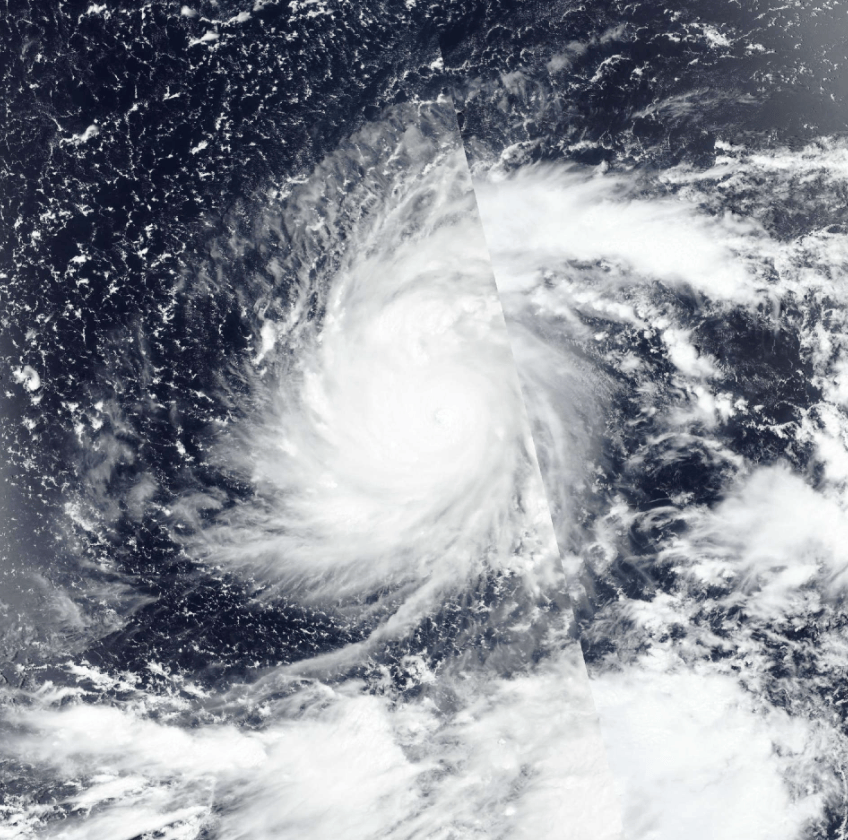
This market resolves "Yes" if the center of Super Typhoon Dolphin's circulation physically crosses the coastline of any Japanese territory (including Okinawa, the Ryukyu Islands, and all main islands) on or before August 15, 2026. Resolution is determined by the Japan Meteorological Agency's (JMA) position advisories placing the storm over Japanese land (https://www.jma.go.jp/bosai/map.html#contents=typhoon&lang=en), or by credible international news reporting confirming the storm hitting Japanese territory. The system's classification is determined by the single JMA advisory in effect immediately prior to the observed crossing. Once that advisory fixes classification at the time of impact, no subsequent real-time advisory, reclassification, or post-season best-track reanalysis may retroactively change the outcome. JMA position advisories are the primary resolution source. If a JMA advisory plots the center on Japanese land, the market resolves "Yes" regardless of what other sources say. If no JMA advisory plots the center on land but credible reporting confirms a crossing occurred between discrete advisory fixes, the market resolves "Yes." A disagreement exists only when a JMA advisory and credible reporting make contradictory claims about the storm's position at the same point in time; in that case, JMA is the default resolution source. In all cases, the classification is taken from the most recently issued JMA advisory prior to the confirmed crossing time. This is a purely geographic criterion: the storm's center must pass over Japanese land, regardless of whether JMA formally designates the event as "landfall" or "passage." The most recently issued JMA advisory prior to the crossing must classify Dolphin as a tropical cyclone (tropical depression or higher). If that advisory classifies the system as extratropical, dissipated, or absorbed, the crossing does not count and the market will resolve to "No". This market resolves "No" if Dolphin has been declared extratropical, dissipated, or absorbed on or before August 15 without having made landfall on Japanese territory, or if no landfall has physically occurred by the close of August 15, 2026.
Polymarket
This market resolves "Yes" if the center of Super Typhoon Dolphin's circulation physically crosses the coastline of any Japanese territory (including Okinawa, the Ryukyu Islands, and all main islands) on or before August 15, 2026. Resolution is determined by the Japan Meteorological Agency's (JMA) position advisories placing the storm over Japanese land (https://www.jma.go.jp/bosai/map.html#contents=typhoon&lang=en), or by credible international news reporting confirming the storm hitting Japanese territory. The system's classification is determined by the single JMA advisory in effect immediately prior to the observed crossing. Once that advisory fixes classification at the time of impact, no subsequent real-time advisory, reclassification, or post-season best-track reanalysis may retroactively change the outcome. JMA position advisories are the primary resolution source. If a JMA advisory plots the center on Japanese land, the market resolves "Yes" regardless of what other sources say. If no JMA advisory plots the center on land but credible reporting confirms a crossing occurred between discrete advisory fixes, the market resolves "Yes." A disagreement exists only when a JMA advisory and credible reporting make contradictory claims about the storm's position at the same point in time; in that case, JMA is the default resolution source. In all cases, the classification is taken from the most recently issued JMA advisory prior to the confirmed crossing time. This is a purely geographic criterion: the storm's center must pass over Japanese land, regardless of whether JMA formally designates the event as "landfall" or "passage." The most recently issued JMA advisory prior to the crossing must classify Dolphin as a tropical cyclone (tropical depression or higher). If that advisory classifies the system as extratropical, dissipated, or absorbed, the crossing does not count and the market will resolve to "No". This market resolves "No" if Dolphin has been declared extratropical, dissipated, or absorbed on or before August 15 without having made landfall on Japanese territory, or if no landfall has physically occurred by the close of August 15, 2026.
Frequently asked questions
Currently, this market reflects a strong lean toward the typhoon making landfall, differing sharply from some analyst forecasts that emphasize uncertainty in long-range storm tracking. While analysts may cite factors like seasonal patterns or ocean temperatures, the odds here capture crowd-sourced expectations that could shift rapidly with new weather model updates or observed storm behavior.
On Polymarket, prices reflect that venue's order book, liquidity, and how traders price the outcome right now. On Polymarket, traders set the price through buying and selling contracts that pay out based on the event’s occurrence. The current odds reflect the collective judgment of participants, with liquidity and volume influencing how quickly prices adjust to new information. This decentralized pricing mechanism allows rapid response to emerging data on storm trajectories and intensity.
This market resolves around Aug 16, 2026, with the outcome confirmed once the event is verifiable from credible public reporting. Authorities and meteorological agencies will provide the official determination of whether Super Typhoon Dolphin makes landfall in Japan, and the market will close based on that verified result.

'%3e%3ccircle%20cx='26'%20cy='26'%20r='26'%20fill='%23000'/%3e%3cpath%20fill='%23fff'%20d='M27.6629%2037.9855L31.004%2037.6925L32.1989%2051.3689C33.72%2051.027%2035.2073%2050.5486%2036.6425%2049.9395V37.8085H40.7697V47.7178C42.4942%2046.577%2044.0775%2045.236%2045.4865%2043.7226L46.0172%2037.6591L49.5548%2037.9678C51.5707%2034.0725%2052.5697%2029.7306%2052.4591%2025.3456C52.3484%2020.9605%2051.1317%2016.6746%2048.9219%2012.886L48.7903%2014.392L44.6631%2014.0303L45.1937%207.97067C43.8569%206.58147%2042.3706%205.34447%2040.7619%204.28222V14.2406H36.6347V2.06247C34.8743%201.313%2033.0358%200.762345%2031.1533%200.420753L32.3463%2014.0637L29.0052%2014.3566L27.7513%200.0314647C27.3308%200.0118035%2026.9062%200%2026.4817%200C24.8262%204.44017e-06%2023.1745%200.157349%2021.5487%200.469906L23.9072%2013.8985L21.364%2014.3468L19.0253%201.0853C16.8454%201.73668%2014.7611%202.67345%2012.8266%203.87129L15.4601%2013.7019L13.4634%2014.2387L11.0146%205.09226C9.12509%206.49278%207.43337%208.1422%205.98527%209.99577L7.26077%2013.5014L5.80446%2014.0322L4.88665%2011.5097C3.41845%2013.6953%202.29182%2016.092%201.54558%2018.6172L1.95829%2018.4678L7.2647%2033.0387L5.80839%2033.5696L1.06407%2020.5303C-0.0225105%2025.6016%200.430464%2030.8821%202.36486%2035.6941C4.29926%2040.5061%207.62683%2044.6301%2011.9206%2047.5369L9.45605%2038.3355L11.4528%2037.7987L14.4677%2049.0567C16.5333%2050.1354%2018.7355%2050.9291%2021.0142%2051.4161L18.6892%2038.1605L21.2343%2037.7122L23.7283%2051.8683C24.6462%2051.9654%2025.5686%2052.014%2026.4916%2052.0138C27.2954%2052.0138%2028.0933%2051.9764%2028.8795%2051.9037L27.6629%2037.9855Z'%20/%3e%3cpath%20fill='%23000'%20d='M46.0368%2018.1276L50.1542%2018.4875L48.804%2033.9372L44.6768%2033.5774L46.0368%2018.1276ZM36.6484%2018.279H40.7756V33.7858H36.6484V18.279ZM31.0099%2018.1611L32.3601%2033.6109L29.019%2033.9038L27.6668%2018.454L31.0099%2018.1611ZM13.481%2033.7898L9.4698%2018.8099L11.4666%2018.2751L15.4778%2033.2452L13.481%2033.7898ZM21.3817%2033.892L18.6892%2018.6211L21.2343%2018.1729L23.9248%2033.4418L21.3817%2033.892Z'%20/%3e%3c/g%3e%3c/svg%3e)