TOTAL VOLUME:
$134.2b
24H VOL:
$143,246,370
24H TRANSACTIONS:
2,403,290,006
OPEN INTEREST:
$1,452,035,386
405,032
Markets across
30,543
events
MATCHED EVENTS:
2,690
PLATFORM COVERAGE:
5
Polymarket:
39%
VS.
Kalshi:
61%
Closed: Sep 3, 3:29 AM EST

Polymarket
Description
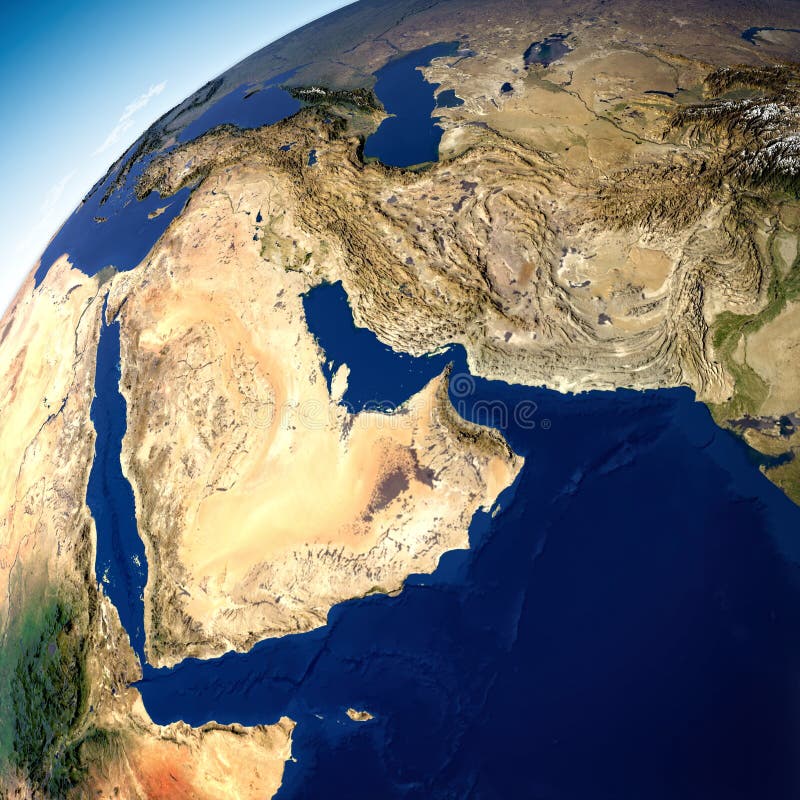
This market will resolve to “Yes” if Iran targets an Arab country through a qualifying military action between market creation and the listed date, Arabia Standard Time (AST). Otherwise, this market will resolve to “No.” Qualifying Arab countries are as follows: Algeria, Bahrain, Comoros, Djibouti, Egypt, Iraq, Jordan, Kuwait, Lebanon, Libya, Mauritania, Morocco, Oman, Qatar, Saudi Arabia, Somalia, Sudan, Syria, Tunisia, the United Arab Emirates, and Yemen. A qualifying military action refers to an air strike or a surface-to-surface missile strike, initiated by Iran, directed at a qualifying Arab country. An air strike includes bombs, air-to-surface missiles, and air-launched drones. A surface-to-surface missile strike includes one-way attack drones and surface-to-surface missiles such as cruise or ballistic missiles. The following actions do not constitute a qualifying military action: Surface-to-air missile strikes; Small-arms fire; Ground incursions; Cyber operations; Naval gunfire and artillery fire; Howitzers, artillery pieces, mortars, and rocket artillery (e.g. MLRS systems); Minor surface-to-surface strikes, including short range loitering munitions, FPV drones, and ATGM strikes; Any threat, authorization, or announcement of force that has not been executed. Military action that consists primarily or exclusively of munitions that are intercepted before impact will still qualify if they constitute a qualifying military action during the specified timeframe; whether the munitions were intercepted, where the munitions landed, and whether damage resulted will not be considered. A military action will be considered directed at an Arab country if it is directed at the terrestrial territory of an Arab country, including any internal waters. Only military actions by Iranian forces explicitly claimed by the Islamic Republic of Iran, or confirmed to have originated from Iranian territory will count toward the resolution of this market. Attacks by proxy forces (i.e. Hezbollah, Houthis, etc.) will not count toward the resolution of this market. The occurrence, attribution, and timing of a qualifying military action will be primarily determined based on a consensus of information available from the resolution sources. Where multiple sources conflict regarding the occurrence, attribution, or timing of a relevant military action, this market will remain open until the earlier of: i) the confirmation of the occurrence, attribution, and timing of the action based on a consensus of information available from the resolution sources or ii) 3 full calendar days (AST) from the date of the first credibly reported evidence of the action. If this period would extend past the end date, this market will remain open to allow for 3 full calendar days to pass. At the end of the third calendar day, if conflicting reports remain, the incident will be adjudicated based on the totality of information available from the resolution sources at that time. No single statement, denial, or presentation of evidence will govern where it is contradicted by the totality of information. The resolution sources for this market will be official information from the governments and militaries of Iran and the qualifying Arab country and a consensus of credible reporting.
Polymarket
This market will resolve to “Yes” if Iran targets an Arab country through a qualifying military action between market creation and the listed date, Arabia Standard Time (AST). Otherwise, this market will resolve to “No.” Qualifying Arab countries are as follows: Algeria, Bahrain, Comoros, Djibouti, Egypt, Iraq, Jordan, Kuwait, Lebanon, Libya, Mauritania, Morocco, Oman, Qatar, Saudi Arabia, Somalia, Sudan, Syria, Tunisia, the United Arab Emirates, and Yemen. A qualifying military action refers to an air strike or a surface-to-surface missile strike, initiated by Iran, directed at a qualifying Arab country. An air strike includes bombs, air-to-surface missiles, and air-launched drones. A surface-to-surface missile strike includes one-way attack drones and surface-to-surface missiles such as cruise or ballistic missiles. The following actions do not constitute a qualifying military action: Surface-to-air missile strikes; Small-arms fire; Ground incursions; Cyber operations; Naval gunfire and artillery fire; Howitzers, artillery pieces, mortars, and rocket artillery (e.g. MLRS systems); Minor surface-to-surface strikes, including short range loitering munitions, FPV drones, and ATGM strikes; Any threat, authorization, or announcement of force that has not been executed. Military action that consists primarily or exclusively of munitions that are intercepted before impact will still qualify if they constitute a qualifying military action during the specified timeframe; whether the munitions were intercepted, where the munitions landed, and whether damage resulted will not be considered. A military action will be considered directed at an Arab country if it is directed at the terrestrial territory of an Arab country, including any internal waters. Only military actions by Iranian forces explicitly claimed by the Islamic Republic of Iran, or confirmed to have originated from Iranian territory will count toward the resolution of this market. Attacks by proxy forces (i.e. Hezbollah, Houthis, etc.) will not count toward the resolution of this market. The occurrence, attribution, and timing of a qualifying military action will be primarily determined based on a consensus of information available from the resolution sources. Where multiple sources conflict regarding the occurrence, attribution, or timing of a relevant military action, this market will remain open until the earlier of: i) the confirmation of the occurrence, attribution, and timing of the action based on a consensus of information available from the resolution sources or ii) 3 full calendar days (AST) from the date of the first credibly reported evidence of the action. If this period would extend past the end date, this market will remain open to allow for 3 full calendar days to pass. At the end of the third calendar day, if conflicting reports remain, the incident will be adjudicated based on the totality of information available from the resolution sources at that time. No single statement, denial, or presentation of evidence will govern where it is contradicted by the totality of information. The resolution sources for this market will be official information from the governments and militaries of Iran and the qualifying Arab country and a consensus of credible reporting.
Frequently asked questions
Currently, the prevailing sentiment in this market reflects a different outlook than many traditional analyst forecasts regarding potential escalation in the region. While some analysts predict a low probability of direct conflict, the odds on Polymarket suggest a higher perceived risk. This divergence often stems from the wisdom of the crowd effect, where the collective judgment of many traders can incorporate a wider range of information and perspectives than a single analyst might consider. It’s important to remember that prediction markets represent probabilistic forecasts, not definitive predictions, and should be viewed alongside other sources of information.
On Polymarket, this market is priced through a continuous auction mechanism, where traders buy and sell shares representing their belief in the probability of the event occurring. The price of these shares directly reflects the implied probability, with higher prices indicating a greater likelihood of Iran targeting an Arab country by Sep 18, 2026. On Polymarket, prices reflect that venue's order book, liquidity, and how traders price the outcome right now. The market’s price fluctuates based on supply and demand, driven by new information, geopolitical developments, and shifts in trader sentiment. This dynamic pricing ensures the market remains responsive to changing conditions.
This market resolves around Sep 18, 2026, with the outcome confirmed once the event is verifiable from credible public reporting. Resolution will depend on whether Iran directly targets a sovereign Arab country with a military action – this includes missile strikes, drone attacks, or naval engagements. Any actions taken by Iranian-backed proxy groups will not count toward a ‘yes’ resolution. The outcome will be determined based on widely available and verified information from reputable news sources and governmental reports, ensuring a transparent and objective assessment.
Several factors could significantly impact this market before Sep 18, 2026. Escalation of tensions in the Strait of Hormuz, a major attack on oil infrastructure in the Gulf region, or a significant shift in diplomatic relations between Iran and key Arab states would likely cause substantial movement. Additionally, any direct military confrontation between Iran and Israel, or a major policy change by the United States regarding its regional presence, could also influence trader sentiment and drive price fluctuations. Unexpected statements from Iranian or Arab leaders could also serve as catalysts.

'%3e%3ccircle%20cx='26'%20cy='26'%20r='26'%20fill='%23000'/%3e%3cpath%20fill='%23fff'%20d='M27.6629%2037.9855L31.004%2037.6925L32.1989%2051.3689C33.72%2051.027%2035.2073%2050.5486%2036.6425%2049.9395V37.8085H40.7697V47.7178C42.4942%2046.577%2044.0775%2045.236%2045.4865%2043.7226L46.0172%2037.6591L49.5548%2037.9678C51.5707%2034.0725%2052.5697%2029.7306%2052.4591%2025.3456C52.3484%2020.9605%2051.1317%2016.6746%2048.9219%2012.886L48.7903%2014.392L44.6631%2014.0303L45.1937%207.97067C43.8569%206.58147%2042.3706%205.34447%2040.7619%204.28222V14.2406H36.6347V2.06247C34.8743%201.313%2033.0358%200.762345%2031.1533%200.420753L32.3463%2014.0637L29.0052%2014.3566L27.7513%200.0314647C27.3308%200.0118035%2026.9062%200%2026.4817%200C24.8262%204.44017e-06%2023.1745%200.157349%2021.5487%200.469906L23.9072%2013.8985L21.364%2014.3468L19.0253%201.0853C16.8454%201.73668%2014.7611%202.67345%2012.8266%203.87129L15.4601%2013.7019L13.4634%2014.2387L11.0146%205.09226C9.12509%206.49278%207.43337%208.1422%205.98527%209.99577L7.26077%2013.5014L5.80446%2014.0322L4.88665%2011.5097C3.41845%2013.6953%202.29182%2016.092%201.54558%2018.6172L1.95829%2018.4678L7.2647%2033.0387L5.80839%2033.5696L1.06407%2020.5303C-0.0225105%2025.6016%200.430464%2030.8821%202.36486%2035.6941C4.29926%2040.5061%207.62683%2044.6301%2011.9206%2047.5369L9.45605%2038.3355L11.4528%2037.7987L14.4677%2049.0567C16.5333%2050.1354%2018.7355%2050.9291%2021.0142%2051.4161L18.6892%2038.1605L21.2343%2037.7122L23.7283%2051.8683C24.6462%2051.9654%2025.5686%2052.014%2026.4916%2052.0138C27.2954%2052.0138%2028.0933%2051.9764%2028.8795%2051.9037L27.6629%2037.9855Z'%20/%3e%3cpath%20fill='%23000'%20d='M46.0368%2018.1276L50.1542%2018.4875L48.804%2033.9372L44.6768%2033.5774L46.0368%2018.1276ZM36.6484%2018.279H40.7756V33.7858H36.6484V18.279ZM31.0099%2018.1611L32.3601%2033.6109L29.019%2033.9038L27.6668%2018.454L31.0099%2018.1611ZM13.481%2033.7898L9.4698%2018.8099L11.4666%2018.2751L15.4778%2033.2452L13.481%2033.7898ZM21.3817%2033.892L18.6892%2018.6211L21.2343%2018.1729L23.9248%2033.4418L21.3817%2033.892Z'%20/%3e%3c/g%3e%3c/svg%3e)