TOTAL VOLUME:
$154.4b
24H VOL:
$230,589,906
24H TRANSACTIONS:
2,984,028,936
OPEN INTEREST:
$1,885,293,300
410,482
Markets across
40,213
events
MATCHED EVENTS:
4,340
PLATFORM COVERAGE:
5
Polymarket:
37%
VS.
Kalshi:
63%
Closed: Nov 1, 4:01 PM EST

Polymarket
Description
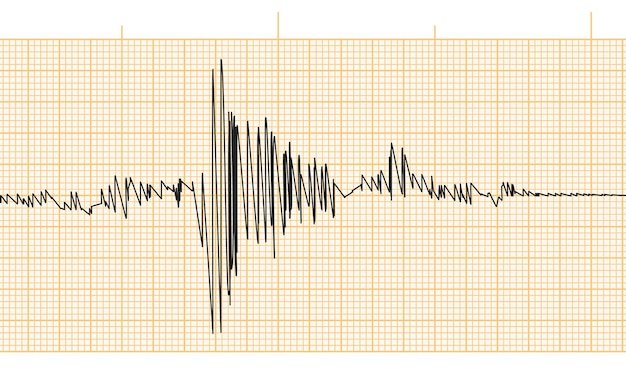
This market will resolve to the bracket containing the magnitude of the largest earthquake recorded globally on October 31, 2026, as reported by the USGS Earthquake Catalog. Brackets: Under 5.3 / 5.3 to 5.4 / 5.5 to 5.6 / 5.7 to 5.8 / 5.9 to 6.0 / 6.1 or more. Exactly one bracket resolves "Yes". The observation period is the UTC calendar day: 00:00 UTC to 23:59 UTC on October 31, 2026. An earthquake is assigned to the day containing its origin time. Magnitude refers to the USGS preferred magnitude value, listed under 'Magnitude' in the format column. If USGS revises a magnitude after initial publication, the revision governs provided it is published before 2:00 PM ET on November 1, 2026. A value first published after that time is not considered. If the reported magnitude carries more than one decimal place, it is rounded to the nearest tenth using standard rounding conventions (0.05 rounds up). Brackets are inclusive of their stated endpoints. If no earthquake data for October 31, 2026 has been published by 2:00 PM ET on November 1, 2026, this market will resolve to the "Under 5.3" bracket. The resolution source for this market is the USGS Earthquake Catalog, maintained by the United States Geological Survey, at https://earthquake.usgs.gov/earthquakes/search/.
Polymarket
This market will resolve to the bracket containing the magnitude of the largest earthquake recorded globally on October 31, 2026, as reported by the USGS Earthquake Catalog. Brackets: Under 5.3 / 5.3 to 5.4 / 5.5 to 5.6 / 5.7 to 5.8 / 5.9 to 6.0 / 6.1 or more. Exactly one bracket resolves "Yes". The observation period is the UTC calendar day: 00:00 UTC to 23:59 UTC on October 31, 2026. An earthquake is assigned to the day containing its origin time. Magnitude refers to the USGS preferred magnitude value, listed under 'Magnitude' in the format column. If USGS revises a magnitude after initial publication, the revision governs provided it is published before 2:00 PM ET on November 1, 2026. A value first published after that time is not considered. If the reported magnitude carries more than one decimal place, it is rounded to the nearest tenth using standard rounding conventions (0.05 rounds up). Brackets are inclusive of their stated endpoints. If no earthquake data for October 31, 2026 has been published by 2:00 PM ET on November 1, 2026, this market will resolve to the "Under 5.3" bracket. The resolution source for this market is the USGS Earthquake Catalog, maintained by the United States Geological Survey, at https://earthquake.usgs.gov/earthquakes/search/.
Frequently asked questions
Comparing prediction market odds to analyst forecasts for the size of an earthquake on October 31, 2026, reveals how collective intelligence differs from expert opinion. Currently, the prevailing sentiment in this market suggests a certain probability for various magnitude ranges. It's important to note that earthquake prediction is inherently challenging, and analysts often provide ranges of probabilities rather than precise forecasts. This market offers a dynamic, real-time assessment of risk based on the aggregated views of many participants, potentially highlighting areas of agreement or disagreement with established scientific projections.
This market resolves around Nov 1, 2026, with the outcome confirmed once the event is verifiable from credible public reporting. The magnitude of the largest earthquake recorded on October 31, 2026, will be determined by established seismological data from recognized earthquake monitoring agencies. The resolution will be based on the highest magnitude earthquake officially recorded on that calendar date, regardless of location. The outcome will be verified against credible public sources to ensure accuracy and transparency, providing a definitive result for this market.
Several signals or events could significantly move this market before its resolution. Major advancements in earthquake prediction technology, or the release of new geological data suggesting increased seismic activity in specific regions, could influence trader sentiment. Unexpected aftershocks from recent earthquakes, or increased monitoring of known fault lines, could also shift probabilities. Additionally, any significant news regarding earthquake preparedness or risk assessment could impact trading activity in this market, leading to price fluctuations and changes in implied probabilities.

