TOTAL VOLUME:
$134.2b
24H VOL:
$126,324,530
24H TRANSACTIONS:
2,388,728,490
OPEN INTEREST:
$1,434,646,834
406,019
Markets across
30,401
events
MATCHED EVENTS:
2,689
PLATFORM COVERAGE:
5
Polymarket:
39%
VS.
Kalshi:
61%
Closed: Aug 14, 10:21 PM EST

Polymarket
Description
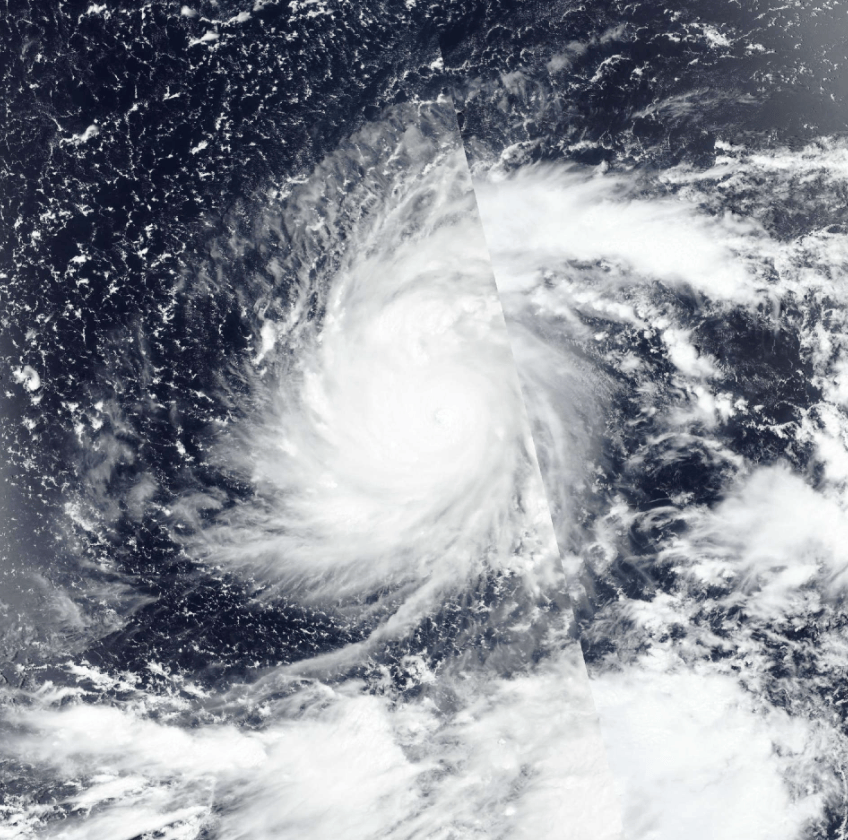
This market resolves to the intensity category corresponding to the maximum sustained wind speed (10-minute average) shown in the applicable JMA advisory as defined below. The outcome categories are: "Tropical Storm" (34–47 kt), "Severe Tropical Storm" (48–63 kt), "Typhoon" (64–84 kt), "Very Strong Typhoon" (85–104 kt), and "Violent Typhoon" (105+ kt). Landfall is defined as the center of Dolphin's circulation physically crossing the coastline of any Japanese territory (including Okinawa, the Ryukyu Islands, and all main islands) on or before August 15, 2026. Resolution is determined by the Japan Meteorological Agency's (JMA) position advisories placing the storm over Japanese land (https://www.jma.go.jp/bosai/map.html#contents=typhoon&lang=en), or by credible international news reporting confirming the storm hitting Japanese territory. The applicable advisory is selected as follows: if a JMA advisory plots the center on Japanese land, that advisory's wind speed resolves the market; if no JMA advisory plots the center on land but credible reporting confirms a crossing occurred between discrete advisory fixes, the intensity is taken from the most recently issued JMA advisory prior to the confirmed crossing time. Once the applicable advisory is identified, its intensity fixes the outcome; no subsequent real-time advisory, reclassification, or post-season best-track reanalysis may retroactively change the outcome. Archival evidence of JMA advisory data is maintained by the Digital Typhoon database (National Institute of Informatics, Japan) at its Typhoon Images and Charts page for Typhoon 202613 (DOLPHIN). In the event of a resolution dispute, the intensity value recorded by Digital Typhoon for the applicable advisory fix shall be treated as conclusive evidence of what JMA reported. JMA position advisories are the primary resolution source. If a JMA advisory plots the center on Japanese land, the market resolves based on that advisory's wind speed regardless of what other sources say. If no JMA advisory plots the center on land but credible reporting confirms a crossing occurred between discrete advisory fixes, the market still resolves, with intensity taken from the most recently issued JMA advisory prior to the confirmed crossing time. A disagreement exists only when a JMA advisory and credible reporting make contradictory claims about the storm's position at the same point in time; in that case, JMA is the default resolution source. Only the first qualifying landfall on Japanese territory resolves the market; subsequent landfalls are disregarded. This is a purely geographic criterion: the storm's center must pass over Japanese land, regardless of whether JMA formally designates the event as "landfall" or "passage." The applicable JMA advisory (as selected above) must show maximum sustained winds of 34 knots or higher, classifying Dolphin as a tropical storm or above. If the applicable advisory classifies the system as a tropical depression (below 34 kt), extratropical, dissipated, or absorbed, the crossing does not count and the market resolves to "No Qualifying Landfall." This market resolves "No Qualifying Landfall" if Dolphin has been declared extratropical, dissipated, or absorbed on or before August 15 without having made landfall on Japanese territory, if the applicable advisory at the time of crossing shows winds below 34 knots, or if no landfall has physically occurred by the close of August 15, 2026.
Polymarket
This market resolves to the intensity category corresponding to the maximum sustained wind speed (10-minute average) shown in the applicable JMA advisory as defined below. The outcome categories are: "Tropical Storm" (34–47 kt), "Severe Tropical Storm" (48–63 kt), "Typhoon" (64–84 kt), "Very Strong Typhoon" (85–104 kt), and "Violent Typhoon" (105+ kt). Landfall is defined as the center of Dolphin's circulation physically crossing the coastline of any Japanese territory (including Okinawa, the Ryukyu Islands, and all main islands) on or before August 15, 2026. Resolution is determined by the Japan Meteorological Agency's (JMA) position advisories placing the storm over Japanese land (https://www.jma.go.jp/bosai/map.html#contents=typhoon&lang=en), or by credible international news reporting confirming the storm hitting Japanese territory. The applicable advisory is selected as follows: if a JMA advisory plots the center on Japanese land, that advisory's wind speed resolves the market; if no JMA advisory plots the center on land but credible reporting confirms a crossing occurred between discrete advisory fixes, the intensity is taken from the most recently issued JMA advisory prior to the confirmed crossing time. Once the applicable advisory is identified, its intensity fixes the outcome; no subsequent real-time advisory, reclassification, or post-season best-track reanalysis may retroactively change the outcome. Archival evidence of JMA advisory data is maintained by the Digital Typhoon database (National Institute of Informatics, Japan) at its Typhoon Images and Charts page for Typhoon 202613 (DOLPHIN). In the event of a resolution dispute, the intensity value recorded by Digital Typhoon for the applicable advisory fix shall be treated as conclusive evidence of what JMA reported. JMA position advisories are the primary resolution source. If a JMA advisory plots the center on Japanese land, the market resolves based on that advisory's wind speed regardless of what other sources say. If no JMA advisory plots the center on land but credible reporting confirms a crossing occurred between discrete advisory fixes, the market still resolves, with intensity taken from the most recently issued JMA advisory prior to the confirmed crossing time. A disagreement exists only when a JMA advisory and credible reporting make contradictory claims about the storm's position at the same point in time; in that case, JMA is the default resolution source. Only the first qualifying landfall on Japanese territory resolves the market; subsequent landfalls are disregarded. This is a purely geographic criterion: the storm's center must pass over Japanese land, regardless of whether JMA formally designates the event as "landfall" or "passage." The applicable JMA advisory (as selected above) must show maximum sustained winds of 34 knots or higher, classifying Dolphin as a tropical storm or above. If the applicable advisory classifies the system as a tropical depression (below 34 kt), extratropical, dissipated, or absorbed, the crossing does not count and the market resolves to "No Qualifying Landfall." This market resolves "No Qualifying Landfall" if Dolphin has been declared extratropical, dissipated, or absorbed on or before August 15 without having made landfall on Japanese territory, if the applicable advisory at the time of crossing shows winds below 34 knots, or if no landfall has physically occurred by the close of August 15, 2026.
Frequently asked questions
This market resolves around Aug 16, 2026, with the outcome confirmed once the event is verifiable from credible public reporting. Judges will compare official meteorological data against the defined intensity categories, ensuring an objective determination of the storm's strength when it makes landfall in Japan.
Key signals that could shift this market include updated forecasts from major weather agencies, changes in wind speed or pressure readings from satellite monitors, and official advisories from the Japan Meteorological Agency. Sudden shifts in projected paths or intensity gains can cause rapid price movements, as traders react to new data that alters expectations for the storm's impact at landfall.

'%3e%3ccircle%20cx='26'%20cy='26'%20r='26'%20fill='%23000'/%3e%3cpath%20fill='%23fff'%20d='M27.6629%2037.9855L31.004%2037.6925L32.1989%2051.3689C33.72%2051.027%2035.2073%2050.5486%2036.6425%2049.9395V37.8085H40.7697V47.7178C42.4942%2046.577%2044.0775%2045.236%2045.4865%2043.7226L46.0172%2037.6591L49.5548%2037.9678C51.5707%2034.0725%2052.5697%2029.7306%2052.4591%2025.3456C52.3484%2020.9605%2051.1317%2016.6746%2048.9219%2012.886L48.7903%2014.392L44.6631%2014.0303L45.1937%207.97067C43.8569%206.58147%2042.3706%205.34447%2040.7619%204.28222V14.2406H36.6347V2.06247C34.8743%201.313%2033.0358%200.762345%2031.1533%200.420753L32.3463%2014.0637L29.0052%2014.3566L27.7513%200.0314647C27.3308%200.0118035%2026.9062%200%2026.4817%200C24.8262%204.44017e-06%2023.1745%200.157349%2021.5487%200.469906L23.9072%2013.8985L21.364%2014.3468L19.0253%201.0853C16.8454%201.73668%2014.7611%202.67345%2012.8266%203.87129L15.4601%2013.7019L13.4634%2014.2387L11.0146%205.09226C9.12509%206.49278%207.43337%208.1422%205.98527%209.99577L7.26077%2013.5014L5.80446%2014.0322L4.88665%2011.5097C3.41845%2013.6953%202.29182%2016.092%201.54558%2018.6172L1.95829%2018.4678L7.2647%2033.0387L5.80839%2033.5696L1.06407%2020.5303C-0.0225105%2025.6016%200.430464%2030.8821%202.36486%2035.6941C4.29926%2040.5061%207.62683%2044.6301%2011.9206%2047.5369L9.45605%2038.3355L11.4528%2037.7987L14.4677%2049.0567C16.5333%2050.1354%2018.7355%2050.9291%2021.0142%2051.4161L18.6892%2038.1605L21.2343%2037.7122L23.7283%2051.8683C24.6462%2051.9654%2025.5686%2052.014%2026.4916%2052.0138C27.2954%2052.0138%2028.0933%2051.9764%2028.8795%2051.9037L27.6629%2037.9855Z'%20/%3e%3cpath%20fill='%23000'%20d='M46.0368%2018.1276L50.1542%2018.4875L48.804%2033.9372L44.6768%2033.5774L46.0368%2018.1276ZM36.6484%2018.279H40.7756V33.7858H36.6484V18.279ZM31.0099%2018.1611L32.3601%2033.6109L29.019%2033.9038L27.6668%2018.454L31.0099%2018.1611ZM13.481%2033.7898L9.4698%2018.8099L11.4666%2018.2751L15.4778%2033.2452L13.481%2033.7898ZM21.3817%2033.892L18.6892%2018.6211L21.2343%2018.1729L23.9248%2033.4418L21.3817%2033.892Z'%20/%3e%3c/g%3e%3c/svg%3e)