TOTAL VOLUME:
$134.1b
24H VOL:
$141,541,542
24H TRANSACTIONS:
2,388,728,490
OPEN INTEREST:
$1,440,096,988
406,065
Markets across
30,522
events
MATCHED EVENTS:
2,692
PLATFORM COVERAGE:
5
Polymarket:
39%
VS.
Kalshi:
61%
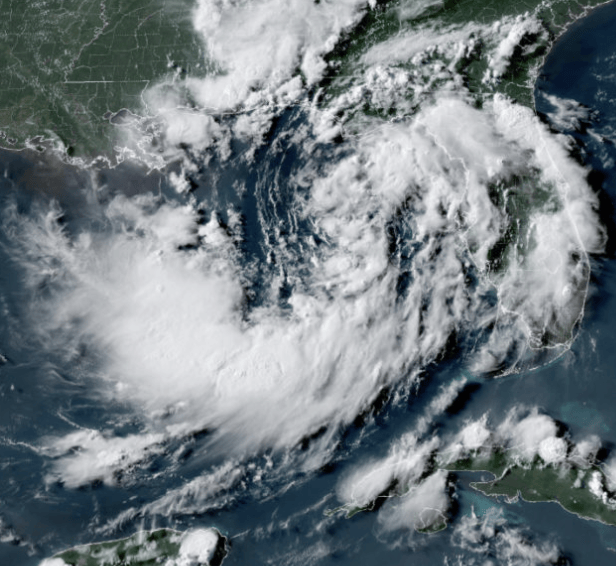
Tropical Storm Polo strengthens to a hurricane?
Tropical Storm Polo strengthens to a hurricane?
- Polymarket
Tropical Storm Polo strengthens to a hurricane? - Polymarket
1W
News
Positive
Negative
Neutral
Hover marker for details
Vol.
·
Resolved Sep 22, 2026
Latest in Climate and Weather


Closed: Sep 22, 7:11 PM EST

Polymarket
Tropical Storm Polo strengthens to a hurricane?
Description
This market will resolve to "Yes" if Tropical Storm Polo reaches hurricane strength at any point between market creation and September 30, 2026, 11:59 PM ET. Otherwise, this market will resolve to "No". Polo reaches hurricane strength if it attains a maximum sustained wind speed (1-minute average) of at least 74 mph, corresponding to Category 1 or higher on the Saffir-Simpson Hurricane Wind Scale, as reported by the National Hurricane Center. Reaching hurricane strength at any single advisory during the market's timeframe is sufficient to resolve this market to "Yes", regardless of the storm's intensity at other times. If Polo does not reach hurricane strength by September 30, 2026, 11:59 PM ET, or dissipates before reaching hurricane strength, this market will resolve to "No". If the National Hurricane Center has not published any data by September 30, 2026, 11:59 PM ET, this market will resolve to "No". This market will resolve based on the operational advisory data issued while the storm is active. Any revisions to the storm's peak intensity or category published later in a post-storm best-track report or Tropical Cyclone Report will not be considered for this market's resolution. The primary resolution source for this market will be the operational advisories issued by the National Hurricane Center (https://www.nhc.noaa.gov/). If Polo is located outside the National Hurricane Center's area of responsibility, the maximum sustained wind speed reported by the responsible Regional Specialized Meteorological Center will be used.
Polymarket
This market will resolve to "Yes" if Tropical Storm Polo reaches hurricane strength at any point between market creation and September 30, 2026, 11:59 PM ET. Otherwise, this market will resolve to "No". Polo reaches hurricane strength if it attains a maximum sustained wind speed (1-minute average) of at least 74 mph, corresponding to Category 1 or higher on the Saffir-Simpson Hurricane Wind Scale, as reported by the National Hurricane Center. Reaching hurricane strength at any single advisory during the market's timeframe is sufficient to resolve this market to "Yes", regardless of the storm's intensity at other times. If Polo does not reach hurricane strength by September 30, 2026, 11:59 PM ET, or dissipates before reaching hurricane strength, this market will resolve to "No". If the National Hurricane Center has not published any data by September 30, 2026, 11:59 PM ET, this market will resolve to "No". This market will resolve based on the operational advisory data issued while the storm is active. Any revisions to the storm's peak intensity or category published later in a post-storm best-track report or Tropical Cyclone Report will not be considered for this market's resolution. The primary resolution source for this market will be the operational advisories issued by the National Hurricane Center (https://www.nhc.noaa.gov/). If Polo is located outside the National Hurricane Center's area of responsibility, the maximum sustained wind speed reported by the responsible Regional Specialized Meteorological Center will be used.
Frequently asked questions
Currently, the prevailing sentiment in this market suggests a very high probability of Tropical Storm Polo strengthening to a hurricane. This contrasts with initial forecasts from some analysts, which indicated a lower chance of intensification. However, as new data emerges, analyst predictions may shift to align more closely with the collective wisdom reflected in this market. It’s important to remember that prediction markets aggregate diverse information and perspectives, potentially offering a more accurate forecast than any single source. The market’s current assessment is a valuable data point when evaluating the potential path of the storm.
This market resolves around Oct 1, 2026, with the outcome confirmed once the event is verifiable from credible public reporting. Specifically, the National Hurricane Center (or a similar authoritative meteorological agency) will determine whether Tropical Storm Polo officially strengthened into a hurricane. The resolution will be based on publicly available data and official declarations from these sources. The final price of shares in this market will reflect whether the storm met the criteria for hurricane status before the resolution date, providing a clear outcome based on objective meteorological data.
Several factors could significantly influence the price of shares in this market. Changes in the storm’s track, intensity forecasts from the National Hurricane Center, and observed wind speeds are key indicators. Unexpected shifts in atmospheric conditions, such as a decrease in wind shear or an increase in sea surface temperatures, could accelerate intensification. Conversely, unfavorable conditions could slow or halt the storm’s development. Any official updates or advisories issued by meteorological agencies will likely trigger immediate reactions in this market, reflecting the evolving understanding of the storm’s potential.
'%3e%3ccircle%20cx='26'%20cy='26'%20r='26'%20fill='%23000'/%3e%3cpath%20fill='%23fff'%20d='M27.6629%2037.9855L31.004%2037.6925L32.1989%2051.3689C33.72%2051.027%2035.2073%2050.5486%2036.6425%2049.9395V37.8085H40.7697V47.7178C42.4942%2046.577%2044.0775%2045.236%2045.4865%2043.7226L46.0172%2037.6591L49.5548%2037.9678C51.5707%2034.0725%2052.5697%2029.7306%2052.4591%2025.3456C52.3484%2020.9605%2051.1317%2016.6746%2048.9219%2012.886L48.7903%2014.392L44.6631%2014.0303L45.1937%207.97067C43.8569%206.58147%2042.3706%205.34447%2040.7619%204.28222V14.2406H36.6347V2.06247C34.8743%201.313%2033.0358%200.762345%2031.1533%200.420753L32.3463%2014.0637L29.0052%2014.3566L27.7513%200.0314647C27.3308%200.0118035%2026.9062%200%2026.4817%200C24.8262%204.44017e-06%2023.1745%200.157349%2021.5487%200.469906L23.9072%2013.8985L21.364%2014.3468L19.0253%201.0853C16.8454%201.73668%2014.7611%202.67345%2012.8266%203.87129L15.4601%2013.7019L13.4634%2014.2387L11.0146%205.09226C9.12509%206.49278%207.43337%208.1422%205.98527%209.99577L7.26077%2013.5014L5.80446%2014.0322L4.88665%2011.5097C3.41845%2013.6953%202.29182%2016.092%201.54558%2018.6172L1.95829%2018.4678L7.2647%2033.0387L5.80839%2033.5696L1.06407%2020.5303C-0.0225105%2025.6016%200.430464%2030.8821%202.36486%2035.6941C4.29926%2040.5061%207.62683%2044.6301%2011.9206%2047.5369L9.45605%2038.3355L11.4528%2037.7987L14.4677%2049.0567C16.5333%2050.1354%2018.7355%2050.9291%2021.0142%2051.4161L18.6892%2038.1605L21.2343%2037.7122L23.7283%2051.8683C24.6462%2051.9654%2025.5686%2052.014%2026.4916%2052.0138C27.2954%2052.0138%2028.0933%2051.9764%2028.8795%2051.9037L27.6629%2037.9855Z'%20/%3e%3cpath%20fill='%23000'%20d='M46.0368%2018.1276L50.1542%2018.4875L48.804%2033.9372L44.6768%2033.5774L46.0368%2018.1276ZM36.6484%2018.279H40.7756V33.7858H36.6484V18.279ZM31.0099%2018.1611L32.3601%2033.6109L29.019%2033.9038L27.6668%2018.454L31.0099%2018.1611ZM13.481%2033.7898L9.4698%2018.8099L11.4666%2018.2751L15.4778%2033.2452L13.481%2033.7898ZM21.3817%2033.892L18.6892%2018.6211L21.2343%2018.1729L23.9248%2033.4418L21.3817%2033.892Z'%20/%3e%3c/g%3e%3c/svg%3e)

