TOTAL VOLUME:
$154.3b
24H VOL:
$228,458,490
24H TRANSACTIONS:
2,984,028,936
OPEN INTEREST:
$1,879,276,037
410,833
Markets across
40,345
events
MATCHED EVENTS:
4,363
PLATFORM COVERAGE:
5
Polymarket:
37%
VS.
Kalshi:
63%
Closed: Oct 12, 2:28 AM EST

Polymarket
Description
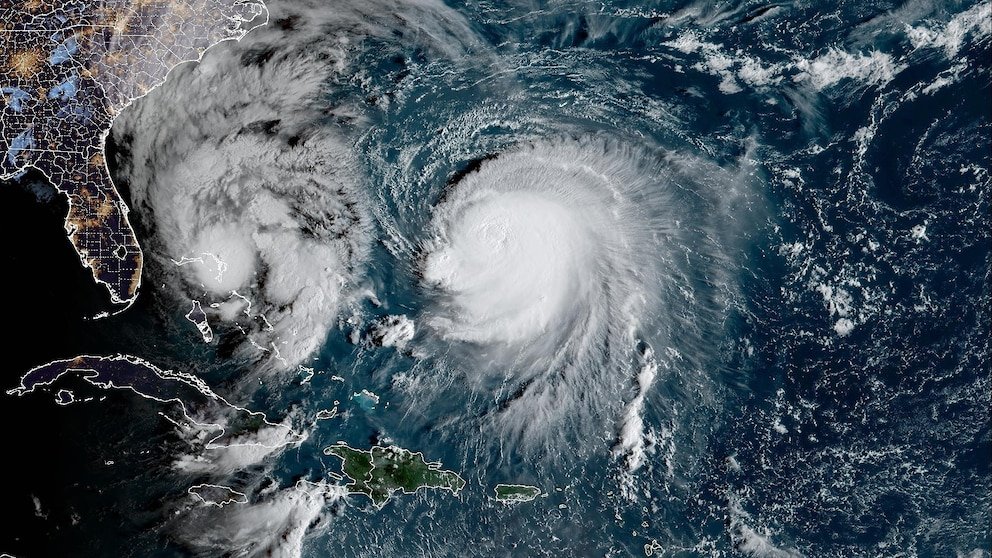
This market will resolve according to the peak intensity of Rachel. Peak intensity means the highest Saffir-Simpson Hurricane Wind Scale category assigned to Rachel in any Tropical Cyclone Public Advisory issued for the storm. The category is stated in the advisory and is determined by maximum sustained wind speed (1-minute average): Category 1 is 74 to 95 mph, Category 2 is 96 to 110 mph, Category 3 is 111 to 129 mph, Category 4 is 130 to 156 mph, and Category 5 is 157 mph or greater. Each category includes both of its stated bounds, so every possible peak wind speed falls in exactly one category. If Rachel never reaches Category 1 strength, "Category 1 or weaker" will resolve to "Yes". Wind speeds will be used exactly as published, without rounding. Maximum sustained winds are reported in increments of 5 mph. Post-storm best track data and the Tropical Cyclone Report for Rachel will not be considered for resolution. Advisories issued by any agency other than the National Hurricane Center and the Central Pacific Hurricane Center will not be considered for resolution. This market will resolve once Rachel dissipates. If Rachel has not dissipated by October 15, 2026, 11:59 PM ET, or if the advisory data needed to determine its peak intensity has not been published by that time, this market will remain open for up to 2 calendar days (ET) after that date; it will then resolve based on the finalized advisory data published up to that point. If the data is still unavailable at the end of that period, or publication has been discontinued, this market will resolve according to the highest category assigned to Rachel in any advisory published up to that point. In case of obvious data integrity issues (i.e., erroneous data), the market may remain open until the end of the third calendar day (ET) after such data is first released to allow for corrections; this applies only to clerical or similar errors, not to the issuing center differing from other sources. A reanalysis or reclassification of Rachel's intensity published after Rachel dissipates will not change the resolution of this market. Revisions published before Rachel dissipates will be considered; revisions published after it dissipates will not be considered for resolution. The primary resolution source for this market will be the Tropical Cyclone Public Advisories issued for Rachel by the National Hurricane Center (https://www.nhc.noaa.gov/), specifically the category and the maximum sustained wind speed stated in the advisory.
Polymarket
This market will resolve according to the peak intensity of Rachel. Peak intensity means the highest Saffir-Simpson Hurricane Wind Scale category assigned to Rachel in any Tropical Cyclone Public Advisory issued for the storm. The category is stated in the advisory and is determined by maximum sustained wind speed (1-minute average): Category 1 is 74 to 95 mph, Category 2 is 96 to 110 mph, Category 3 is 111 to 129 mph, Category 4 is 130 to 156 mph, and Category 5 is 157 mph or greater. Each category includes both of its stated bounds, so every possible peak wind speed falls in exactly one category. If Rachel never reaches Category 1 strength, "Category 1 or weaker" will resolve to "Yes". Wind speeds will be used exactly as published, without rounding. Maximum sustained winds are reported in increments of 5 mph. Post-storm best track data and the Tropical Cyclone Report for Rachel will not be considered for resolution. Advisories issued by any agency other than the National Hurricane Center and the Central Pacific Hurricane Center will not be considered for resolution. This market will resolve once Rachel dissipates. If Rachel has not dissipated by October 15, 2026, 11:59 PM ET, or if the advisory data needed to determine its peak intensity has not been published by that time, this market will remain open for up to 2 calendar days (ET) after that date; it will then resolve based on the finalized advisory data published up to that point. If the data is still unavailable at the end of that period, or publication has been discontinued, this market will resolve according to the highest category assigned to Rachel in any advisory published up to that point. In case of obvious data integrity issues (i.e., erroneous data), the market may remain open until the end of the third calendar day (ET) after such data is first released to allow for corrections; this applies only to clerical or similar errors, not to the issuing center differing from other sources. A reanalysis or reclassification of Rachel's intensity published after Rachel dissipates will not change the resolution of this market. Revisions published before Rachel dissipates will be considered; revisions published after it dissipates will not be considered for resolution. The primary resolution source for this market will be the Tropical Cyclone Public Advisories issued for Rachel by the National Hurricane Center (https://www.nhc.noaa.gov/), specifically the category and the maximum sustained wind speed stated in the advisory.
Frequently asked questions
Comparing prediction market odds to analyst forecasts reveals interesting insights into collective wisdom versus expert opinion. While analysts may offer reasoned predictions based on available data, this market represents the aggregated beliefs of a diverse group of traders. Discrepancies between the two can highlight areas where the market perceives information differently or assigns varying degrees of importance to specific factors. It’s a valuable exercise to consider both perspectives when evaluating potential outcomes, as this market provides a real-time assessment of probabilities.
On Polymarket, this market is priced through a continuous exchange where traders buy and sell shares representing their belief in the outcome. The price of a share directly reflects the implied probability of that outcome occurring. As more traders participate, the price adjusts to reflect the collective assessment of Rachel’s strength. On Polymarket, prices reflect that venue's order book, liquidity, and how traders price the outcome right now. The market’s efficiency is driven by the incentive for traders to accurately predict the future, as profitable trades are rewarded. This dynamic pricing mechanism ensures the market remains responsive to new information and changing sentiment.
This market resolves around Oct 16, 2026, with the outcome confirmed once the event is verifiable from credible public reporting. The resolution will be based on a determination of Rachel’s overall strength, as assessed by publicly available data and widely accepted metrics. The specific details of this assessment will be determined by Polymarket and made available to traders prior to resolution. It’s important to stay informed about any updates or clarifications regarding the resolution process as the event approaches.
Several signals or events could significantly move this market. Any news regarding Rachel’s performance, including public statements, achievements, or setbacks, will likely impact trading activity. Unexpected developments or shifts in public perception could also lead to price fluctuations. Furthermore, major announcements or events related to the broader context surrounding Rachel’s work could influence market sentiment. Traders will be closely monitoring these factors, adjusting their positions based on new information as it becomes available, and driving price discovery in this market.

