TOTAL VOLUME:
$154.6b
24H VOL:
$333,432,169
24H TRANSACTIONS:
2,984,640,614
OPEN INTEREST:
$1,971,286,090
419,492
Markets across
40,634
events
MATCHED EVENTS:
4,654
PLATFORM COVERAGE:
5
Polymarket:
37%
VS.
Kalshi:
63%
Closed: Oct 30, 4:53 AM EST

Polymarket
Description
This market will resolve according to the peak intensity of Arnab. Peak intensity means the highest category of cyclonic disturbance that the Regional Specialised Meteorological Centre for Tropical Cyclones, New Delhi (RSMC New Delhi), operated by the India Meteorological Department (IMD), assigns to Arnab's observed intensity in a Tropical Cyclone Advisory published for the storm. Exactly one outcome in this market will resolve to "Yes". RSMC New Delhi's own bounds, in 3-minute maximum sustained surface wind, are: "Severe cyclonic storm or weaker" is under 64 kt, "Very severe cyclonic storm" is 64 to 89 kt, "Extremely severe cyclonic storm" is 90 to 119 kt, and "Super cyclonic storm" is 120 kt or more. RSMC New Delhi states the category in the subject line of each Tropical Cyclone Advisory and in the first row of the advisory's forecast table, which gives the storm's intensity at the observation time the advisory is based on. Only that observed intensity will be considered. Forecast entries will not be considered for resolution. National bulletins, press releases and other IMD products will not be considered, and neither will classifications issued by any agency other than RSMC New Delhi. Post-season best track data and reports for Arnab will not be considered for resolution. This market will resolve once RSMC New Delhi stops publishing Tropical Cyclone Advisories for Arnab. If RSMC New Delhi has not stopped publishing Tropical Cyclone Advisories for Arnab by November 9, 2026, 11:59 PM ET, this market will resolve according to the highest category published up to that time. No substitute data provider will be used. Revisions published before RSMC New Delhi stops publishing Tropical Cyclone Advisories for Arnab will be considered; revisions published after that point will not be considered for resolution. If RSMC New Delhi corrects an advisory as erroneous before this market resolves, the corrected advisory will be used. If RSMC New Delhi removes an advisory as erroneous without replacement, the highest category published in the remaining advisories will be used. Otherwise the published advisory stands. Temporary display glitches that do not appear in RSMC New Delhi's published advisories will not be considered. Revisions remain subject to the cutoff above. The only exception is a correction of a clearly erroneous advisory under the preceding paragraph, which will be used even if published after the cutoff. The primary resolution source for this market will be the Tropical Cyclone Advisories published by RSMC New Delhi for Arnab at https://rsmcnewdelhi.imd.gov.in/, specifically the category of cyclonic disturbance stated for the storm's observed intensity. On that page, the latest Tropical Cyclone Advisory is the link labeled "RSMC Bulletin" in the "Cyclone Warnings/Advisory" section; the "National Bulletin", "TCAC Bulletin" and other links in that section are different products. Past Tropical Cyclone Advisories are archived at https://rsmcnewdelhi.imd.gov.in/archive-information.php?internal_menu=Mg==&menu_id=OQ==, where each is listed as "RSMC Bulletin based on" followed by its observation time and date (for example, "RSMC Bulletin based on 09:00:00 UTC of 26-10-2026").
Polymarket
This market will resolve according to the peak intensity of Arnab. Peak intensity means the highest category of cyclonic disturbance that the Regional Specialised Meteorological Centre for Tropical Cyclones, New Delhi (RSMC New Delhi), operated by the India Meteorological Department (IMD), assigns to Arnab's observed intensity in a Tropical Cyclone Advisory published for the storm. Exactly one outcome in this market will resolve to "Yes". RSMC New Delhi's own bounds, in 3-minute maximum sustained surface wind, are: "Severe cyclonic storm or weaker" is under 64 kt, "Very severe cyclonic storm" is 64 to 89 kt, "Extremely severe cyclonic storm" is 90 to 119 kt, and "Super cyclonic storm" is 120 kt or more. RSMC New Delhi states the category in the subject line of each Tropical Cyclone Advisory and in the first row of the advisory's forecast table, which gives the storm's intensity at the observation time the advisory is based on. Only that observed intensity will be considered. Forecast entries will not be considered for resolution. National bulletins, press releases and other IMD products will not be considered, and neither will classifications issued by any agency other than RSMC New Delhi. Post-season best track data and reports for Arnab will not be considered for resolution. This market will resolve once RSMC New Delhi stops publishing Tropical Cyclone Advisories for Arnab. If RSMC New Delhi has not stopped publishing Tropical Cyclone Advisories for Arnab by November 9, 2026, 11:59 PM ET, this market will resolve according to the highest category published up to that time. No substitute data provider will be used. Revisions published before RSMC New Delhi stops publishing Tropical Cyclone Advisories for Arnab will be considered; revisions published after that point will not be considered for resolution. If RSMC New Delhi corrects an advisory as erroneous before this market resolves, the corrected advisory will be used. If RSMC New Delhi removes an advisory as erroneous without replacement, the highest category published in the remaining advisories will be used. Otherwise the published advisory stands. Temporary display glitches that do not appear in RSMC New Delhi's published advisories will not be considered. Revisions remain subject to the cutoff above. The only exception is a correction of a clearly erroneous advisory under the preceding paragraph, which will be used even if published after the cutoff. The primary resolution source for this market will be the Tropical Cyclone Advisories published by RSMC New Delhi for Arnab at https://rsmcnewdelhi.imd.gov.in/, specifically the category of cyclonic disturbance stated for the storm's observed intensity. On that page, the latest Tropical Cyclone Advisory is the link labeled "RSMC Bulletin" in the "Cyclone Warnings/Advisory" section; the "National Bulletin", "TCAC Bulletin" and other links in that section are different products. Past Tropical Cyclone Advisories are archived at https://rsmcnewdelhi.imd.gov.in/archive-information.php?internal_menu=Mg==&menu_id=OQ==, where each is listed as "RSMC Bulletin based on" followed by its observation time and date (for example, "RSMC Bulletin based on 09:00:00 UTC of 26-10-2026").
Frequently asked questions
On Polymarket, this market is priced through a continuous auction mechanism, where traders buy and sell shares representing their belief in the likelihood of different outcomes. The price of each share directly reflects the implied probability of that outcome occurring. On Polymarket, prices reflect that venue's order book, liquidity, and how traders price the outcome right now. As more traders participate, the price adjusts to reflect the collective wisdom of the crowd. The market's price movements are driven by supply and demand, with increased buying pressure raising the price and increased selling pressure lowering it. This creates a dynamic and responsive pricing system.
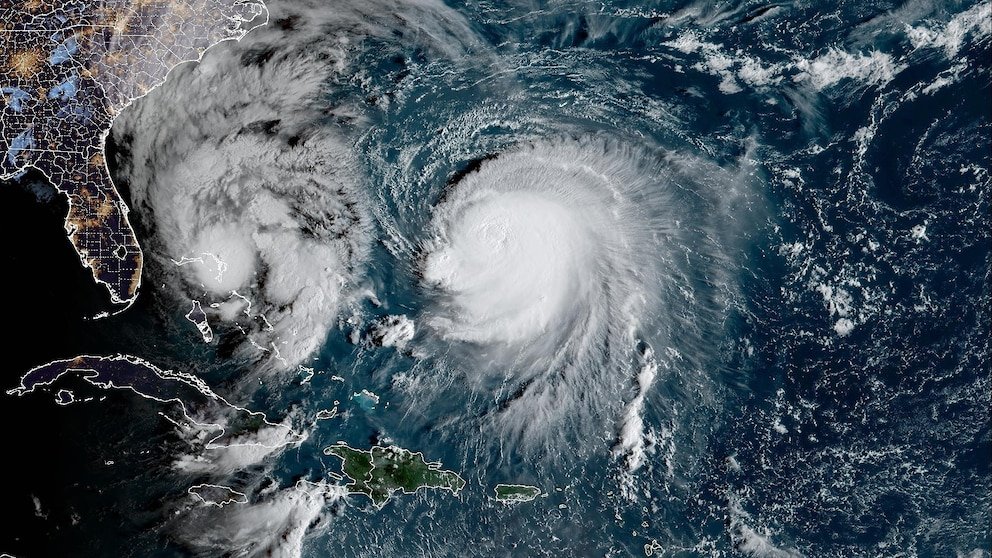
This market resolves around Nov 10, 2026, with the outcome confirmed once the cyclone’s peak intensity is verifiable from credible public reporting. The resolution will be based on official data released by meteorological agencies responsible for tracking and classifying tropical cyclones in the region. The market will determine whether Arnab peaked at severe cyclonic storm strength or weaker, based on the publicly available best track data. Traders should monitor these sources as the resolution date approaches to understand the likely outcome and its impact on the market.
Several signals and events could significantly impact the Arnab strength market. Changes in the cyclone’s track, intensity forecasts from meteorological agencies, and any unexpected shifts in weather patterns will all be closely watched by traders. A strengthening or weakening of the cyclone, as predicted by official forecasts, would likely cause a corresponding movement in the market. Additionally, any news regarding evacuation orders or preparedness measures could influence trader sentiment and affect the price of shares in this market. Monitoring these developments is crucial for understanding potential shifts.

