TOTAL VOLUME:
$134.1b
24H VOL:
$133,388,117
24H TRANSACTIONS:
2,388,728,490
OPEN INTEREST:
$1,436,095,462
405,232
Markets across
30,526
events
MATCHED EVENTS:
2,693
PLATFORM COVERAGE:
5
Polymarket:
39%
VS.
Kalshi:
61%
9
- Polymarket
9 - Polymarket
1W
News
Positive
Negative
Neutral
Hover marker for details
Vol.
·
Resolved Jul 28, 2026
Latest in Climate and Weather


Closed: Jul 28, 2:05 AM EST

Polymarket
Description
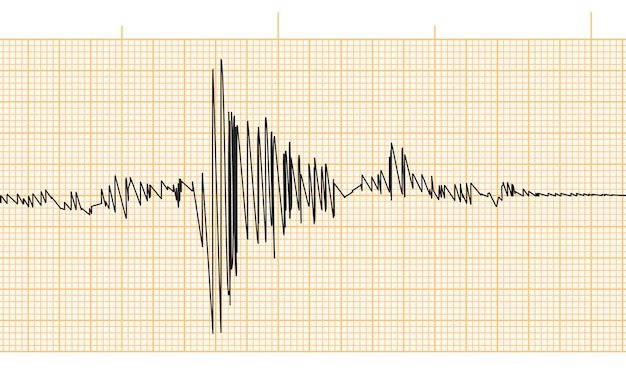
This market will resolve according to the total number of earthquakes with a magnitude of 5.5 or higher that occur anywhere on Earth between July 20, 2026, 12:00 AM ET, and July 26, 2026, 11:59 PM ET. The resolution source for this market is the United States Geological Survey (USGS) Earthquake Hazards Program, with the minimum magnitude set to 5.5 and the date parameters set to the relevant dates for this market's timeframe (https://earthquake.usgs.gov/earthquakes/search/). If an earthquake of substantial size has occurred within this market's timeframe but not yet appeared on the resolution source, this market may remain open until July 28, 2026, 11:59 PM ET, or until the earthquake in question otherwise appears on the resolution source. If such an earthquake has not appeared on the resolution source by that date, another credible resolution source will be used. This market may not resolve until the timeframe of this market has concluded. If a qualifying earthquake has been recorded on the final day, this market may remain open for 24 hours to allow for revisions to the recorded magnitude. After 24 hours, this market will resolve according to the latest provided data.
Polymarket
This market will resolve according to the total number of earthquakes with a magnitude of 5.5 or higher that occur anywhere on Earth between July 20, 2026, 12:00 AM ET, and July 26, 2026, 11:59 PM ET. The resolution source for this market is the United States Geological Survey (USGS) Earthquake Hazards Program, with the minimum magnitude set to 5.5 and the date parameters set to the relevant dates for this market's timeframe (https://earthquake.usgs.gov/earthquakes/search/). If an earthquake of substantial size has occurred within this market's timeframe but not yet appeared on the resolution source, this market may remain open until July 28, 2026, 11:59 PM ET, or until the earthquake in question otherwise appears on the resolution source. If such an earthquake has not appeared on the resolution source by that date, another credible resolution source will be used. This market may not resolve until the timeframe of this market has concluded. If a qualifying earthquake has been recorded on the final day, this market may remain open for 24 hours to allow for revisions to the recorded magnitude. After 24 hours, this market will resolve according to the latest provided data.
Frequently asked questions
Prediction market odds often diverge from traditional seismic analyst forecasts because they incorporate real-time information and trader incentives differently. While geologists rely on historical seismic data and tectonic models, this market reflects what traders believe will actually occur, weighted by their financial commitment. Analyst forecasts tend to be more conservative and methodical, whereas prediction markets can react quickly to breaking news, updated monitoring data, or emerging patterns. The market price represents a decentralized consensus that sometimes outperforms individual expert predictions, particularly when new evidence becomes available during the forecast window.
On Polymarket, this market is priced through an automated market maker that converts trader activity into real-time probability estimates. On Polymarket, prices reflect that venue's order book, liquidity, and how traders price the outcome right now. Traders purchase shares representing different outcomes—such as specific earthquake counts or magnitude thresholds—and the price of each share reflects its implied probability. As more traders buy or sell a particular outcome, the price adjusts automatically, creating a continuous price discovery mechanism. The market's odds represent the aggregate belief of all active participants, with larger trades moving prices more significantly than smaller ones.
This market resolves around Jul 26, 2026, after the forecast period concludes and earthquake data becomes final. The outcome is determined by verified seismic activity recorded during the specified timeframe, confirmed once credible public sources report the total count and magnitudes of earthquakes meeting the threshold criteria. Resolution typically occurs within days of the market end date, once authoritative seismic monitoring agencies have compiled and verified their data. Traders holding shares in the winning outcome receive their payout once the result is officially confirmed.
Several factors could shift odds significantly before resolution. Major seismic events—particularly foreshocks or clusters of moderate earthquakes—often trigger immediate repricing as traders reassess the likelihood of additional activity. Volcanic eruptions, significant tectonic stress releases, or unusual geophysical readings can also influence market sentiment. Real-time updates from seismic monitoring networks, published research on regional fault activity, and even seasonal or cyclical patterns in earthquake frequency may prompt traders to adjust positions. Late-breaking geological news or unexpected aftershock sequences in active zones represent the most volatile catalysts for price movement.
'%3e%3ccircle%20cx='26'%20cy='26'%20r='26'%20fill='%23000'/%3e%3cpath%20fill='%23fff'%20d='M27.6629%2037.9855L31.004%2037.6925L32.1989%2051.3689C33.72%2051.027%2035.2073%2050.5486%2036.6425%2049.9395V37.8085H40.7697V47.7178C42.4942%2046.577%2044.0775%2045.236%2045.4865%2043.7226L46.0172%2037.6591L49.5548%2037.9678C51.5707%2034.0725%2052.5697%2029.7306%2052.4591%2025.3456C52.3484%2020.9605%2051.1317%2016.6746%2048.9219%2012.886L48.7903%2014.392L44.6631%2014.0303L45.1937%207.97067C43.8569%206.58147%2042.3706%205.34447%2040.7619%204.28222V14.2406H36.6347V2.06247C34.8743%201.313%2033.0358%200.762345%2031.1533%200.420753L32.3463%2014.0637L29.0052%2014.3566L27.7513%200.0314647C27.3308%200.0118035%2026.9062%200%2026.4817%200C24.8262%204.44017e-06%2023.1745%200.157349%2021.5487%200.469906L23.9072%2013.8985L21.364%2014.3468L19.0253%201.0853C16.8454%201.73668%2014.7611%202.67345%2012.8266%203.87129L15.4601%2013.7019L13.4634%2014.2387L11.0146%205.09226C9.12509%206.49278%207.43337%208.1422%205.98527%209.99577L7.26077%2013.5014L5.80446%2014.0322L4.88665%2011.5097C3.41845%2013.6953%202.29182%2016.092%201.54558%2018.6172L1.95829%2018.4678L7.2647%2033.0387L5.80839%2033.5696L1.06407%2020.5303C-0.0225105%2025.6016%200.430464%2030.8821%202.36486%2035.6941C4.29926%2040.5061%207.62683%2044.6301%2011.9206%2047.5369L9.45605%2038.3355L11.4528%2037.7987L14.4677%2049.0567C16.5333%2050.1354%2018.7355%2050.9291%2021.0142%2051.4161L18.6892%2038.1605L21.2343%2037.7122L23.7283%2051.8683C24.6462%2051.9654%2025.5686%2052.014%2026.4916%2052.0138C27.2954%2052.0138%2028.0933%2051.9764%2028.8795%2051.9037L27.6629%2037.9855Z'%20/%3e%3cpath%20fill='%23000'%20d='M46.0368%2018.1276L50.1542%2018.4875L48.804%2033.9372L44.6768%2033.5774L46.0368%2018.1276ZM36.6484%2018.279H40.7756V33.7858H36.6484V18.279ZM31.0099%2018.1611L32.3601%2033.6109L29.019%2033.9038L27.6668%2018.454L31.0099%2018.1611ZM13.481%2033.7898L9.4698%2018.8099L11.4666%2018.2751L15.4778%2033.2452L13.481%2033.7898ZM21.3817%2033.892L18.6892%2018.6211L21.2343%2018.1729L23.9248%2033.4418L21.3817%2033.892Z'%20/%3e%3c/g%3e%3c/svg%3e)

