TOTAL VOLUME:
$134b
24H VOL:
$107,351,958
24H TRANSACTIONS:
2,388,728,490
OPEN INTEREST:
$1,416,970,024
400,720
Markets across
30,097
events
MATCHED EVENTS:
2,633
PLATFORM COVERAGE:
5
Polymarket:
39%
VS.
Kalshi:
61%
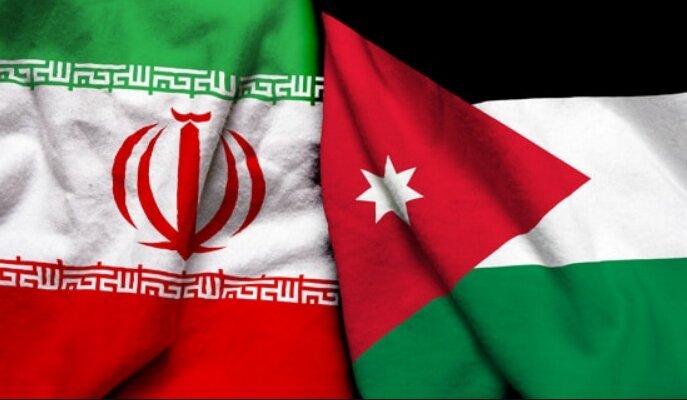
Will Iran target Jordan by September 30, 2026?
September 30
- Polymarket
September 30 - Polymarket
1W
News
Positive
Negative
Neutral
Hover marker for details
Vol.
·
Resolved Sep 9, 2026
Latest in World


Closed: Sep 8, 9:59 PM EST

Polymarket
Description
This market will resolve to “Yes” if Iran targets Jordan through a qualifying military action between market creation and the listed date, Amman time. Otherwise, this market will resolve to “No.” A qualifying military action refers to an air strike or a surface-to-surface missile strike, initiated by Iran, directed at Jordan. An air strike includes bombs, air-to-surface missiles, and air-launched drones. A surface-to-surface missile strike includes one-way attack drones and surface-to-surface missiles such as cruise or ballistic missiles. The following actions do not constitute a qualifying military action: Surface-to-air missile strikes; Small-arms fire; Ground incursions; Cyber operations; Naval gunfire and artillery fire; Howitzers, artillery pieces, mortars, and rocket artillery (e.g. MLRS systems); Minor surface-to-surface strikes, including short range loitering munitions, FPV drones, and ATGM strikes; Any threat, authorization, or announcement of force that has not been executed. Military action that consists primarily or exclusively of munitions that are intercepted before impact will still qualify if they constitute a qualifying military action during the specified timeframe; whether the munitions were intercepted, where the munitions landed, and whether damage resulted will not be considered. A military action will be considered directed at Jordan if it is directed at the terrestrial territory of Jordan, including any internal waters. Only military actions by Iranian forces explicitly claimed by the Islamic Republic of Iran, or confirmed to have originated from Iranian territory will count toward the resolution of this market. Attacks by proxy forces (i.e. Hezbollah, Houthis, etc.) will not count toward the resolution of this market. The occurrence, attribution, and timing of a qualifying military action will be primarily determined based on a consensus of information available from the resolution sources. Where multiple sources conflict regarding the occurrence, attribution, or timing of a relevant military action, this market will remain open until the earlier of: i) the confirmation of the occurrence, attribution, and timing of the action based on a consensus of information available from the resolution sources or ii) 3 full calendar days (Amman time) from the date of the first credibly reported evidence of the action. If this period would extend past the end date, this market will remain open to allow for 3 full calendar days to pass. At the end of the third calendar day, if conflicting reports remain, the incident will be adjudicated based on the totality of information available from the resolution sources at that time. No single statement, denial, or presentation of evidence will govern where it is contradicted by the totality of information. The resolution sources for this market will be official information from the governments and militaries of Iran and Jordan and a consensus of credible reporting.
Polymarket
This market will resolve to “Yes” if Iran targets Jordan through a qualifying military action between market creation and the listed date, Amman time. Otherwise, this market will resolve to “No.” A qualifying military action refers to an air strike or a surface-to-surface missile strike, initiated by Iran, directed at Jordan. An air strike includes bombs, air-to-surface missiles, and air-launched drones. A surface-to-surface missile strike includes one-way attack drones and surface-to-surface missiles such as cruise or ballistic missiles. The following actions do not constitute a qualifying military action: Surface-to-air missile strikes; Small-arms fire; Ground incursions; Cyber operations; Naval gunfire and artillery fire; Howitzers, artillery pieces, mortars, and rocket artillery (e.g. MLRS systems); Minor surface-to-surface strikes, including short range loitering munitions, FPV drones, and ATGM strikes; Any threat, authorization, or announcement of force that has not been executed. Military action that consists primarily or exclusively of munitions that are intercepted before impact will still qualify if they constitute a qualifying military action during the specified timeframe; whether the munitions were intercepted, where the munitions landed, and whether damage resulted will not be considered. A military action will be considered directed at Jordan if it is directed at the terrestrial territory of Jordan, including any internal waters. Only military actions by Iranian forces explicitly claimed by the Islamic Republic of Iran, or confirmed to have originated from Iranian territory will count toward the resolution of this market. Attacks by proxy forces (i.e. Hezbollah, Houthis, etc.) will not count toward the resolution of this market. The occurrence, attribution, and timing of a qualifying military action will be primarily determined based on a consensus of information available from the resolution sources. Where multiple sources conflict regarding the occurrence, attribution, or timing of a relevant military action, this market will remain open until the earlier of: i) the confirmation of the occurrence, attribution, and timing of the action based on a consensus of information available from the resolution sources or ii) 3 full calendar days (Amman time) from the date of the first credibly reported evidence of the action. If this period would extend past the end date, this market will remain open to allow for 3 full calendar days to pass. At the end of the third calendar day, if conflicting reports remain, the incident will be adjudicated based on the totality of information available from the resolution sources at that time. No single statement, denial, or presentation of evidence will govern where it is contradicted by the totality of information. The resolution sources for this market will be official information from the governments and militaries of Iran and Jordan and a consensus of credible reporting.
Frequently asked questions
Comparing prediction market odds to analyst forecasts reveals interesting insights into collective intelligence. Often, this market reflects a different perspective than traditional expert opinions, potentially incorporating a wider range of information and real-time developments. While analysts may focus on geopolitical factors and official statements, the market aggregates the views of many individuals, leading to a potentially more nuanced assessment of the likelihood of Iran targeting Jordan. Discrepancies can arise due to differing interpretations of available data and varying levels of risk aversion.
On Polymarket, this market is priced through a continuous exchange mechanism where traders buy and sell shares representing their belief about the event's outcome. The price of these shares directly reflects the implied probability of Iran targeting Jordan by the resolution date. On Polymarket, prices reflect that venue's order book, liquidity, and how traders price the outcome right now. As more traders participate and new information emerges, the price adjusts, providing a dynamic assessment of the situation. The current price indicates the collective wisdom of the crowd regarding this geopolitical risk.
This market resolves around Sep 30, 2026, with the outcome confirmed once the event is verifiable from credible public reporting. Resolution will depend on whether verifiable evidence emerges indicating that Iran has directly targeted Jordan with military action. This includes, but is not limited to, missile strikes, drone attacks, or other forms of direct military engagement. The determination will be based on reports from reputable news organizations and governmental sources, ensuring an objective assessment of the situation.
Several signals or events could significantly move this market. Escalating rhetoric between Iranian and Jordanian officials, increased military activity along their shared border, or proxy conflicts involving either nation would likely increase the perceived risk. Conversely, diplomatic breakthroughs or de-escalation efforts could lower the odds. Major regional developments, such as shifts in alliances or interventions by other countries, could also have a substantial impact on the market's price. Any credible reports of imminent attacks or preparations for military action would be a key catalyst.


'%3e%3ccircle%20cx='26'%20cy='26'%20r='26'%20fill='%23000'/%3e%3cpath%20fill='%23fff'%20d='M27.6629%2037.9855L31.004%2037.6925L32.1989%2051.3689C33.72%2051.027%2035.2073%2050.5486%2036.6425%2049.9395V37.8085H40.7697V47.7178C42.4942%2046.577%2044.0775%2045.236%2045.4865%2043.7226L46.0172%2037.6591L49.5548%2037.9678C51.5707%2034.0725%2052.5697%2029.7306%2052.4591%2025.3456C52.3484%2020.9605%2051.1317%2016.6746%2048.9219%2012.886L48.7903%2014.392L44.6631%2014.0303L45.1937%207.97067C43.8569%206.58147%2042.3706%205.34447%2040.7619%204.28222V14.2406H36.6347V2.06247C34.8743%201.313%2033.0358%200.762345%2031.1533%200.420753L32.3463%2014.0637L29.0052%2014.3566L27.7513%200.0314647C27.3308%200.0118035%2026.9062%200%2026.4817%200C24.8262%204.44017e-06%2023.1745%200.157349%2021.5487%200.469906L23.9072%2013.8985L21.364%2014.3468L19.0253%201.0853C16.8454%201.73668%2014.7611%202.67345%2012.8266%203.87129L15.4601%2013.7019L13.4634%2014.2387L11.0146%205.09226C9.12509%206.49278%207.43337%208.1422%205.98527%209.99577L7.26077%2013.5014L5.80446%2014.0322L4.88665%2011.5097C3.41845%2013.6953%202.29182%2016.092%201.54558%2018.6172L1.95829%2018.4678L7.2647%2033.0387L5.80839%2033.5696L1.06407%2020.5303C-0.0225105%2025.6016%200.430464%2030.8821%202.36486%2035.6941C4.29926%2040.5061%207.62683%2044.6301%2011.9206%2047.5369L9.45605%2038.3355L11.4528%2037.7987L14.4677%2049.0567C16.5333%2050.1354%2018.7355%2050.9291%2021.0142%2051.4161L18.6892%2038.1605L21.2343%2037.7122L23.7283%2051.8683C24.6462%2051.9654%2025.5686%2052.014%2026.4916%2052.0138C27.2954%2052.0138%2028.0933%2051.9764%2028.8795%2051.9037L27.6629%2037.9855Z'%20/%3e%3cpath%20fill='%23000'%20d='M46.0368%2018.1276L50.1542%2018.4875L48.804%2033.9372L44.6768%2033.5774L46.0368%2018.1276ZM36.6484%2018.279H40.7756V33.7858H36.6484V18.279ZM31.0099%2018.1611L32.3601%2033.6109L29.019%2033.9038L27.6668%2018.454L31.0099%2018.1611ZM13.481%2033.7898L9.4698%2018.8099L11.4666%2018.2751L15.4778%2033.2452L13.481%2033.7898ZM21.3817%2033.892L18.6892%2018.6211L21.2343%2018.1729L23.9248%2033.4418L21.3817%2033.892Z'%20/%3e%3c/g%3e%3c/svg%3e)
%20scale(0.82)%20translate(-12.5%20-12.5)'%3e%3cpath%20fill='%23000'%20fill-rule='evenodd'%20d='M9.619%2012.69h12.995a1.382%201.382%200%200%200%200-2.76h-3.932l5.298-5.405.032-.032L22.08%202.56h-5.255V1.38c0-.76-.619-1.38-1.38-1.38H9.81c-.76%200-1.38.62-1.38%201.38V11.5c0%20.657.534%201.19%201.19%201.19m12.995-2.186h-5.3l5.89-6.01-1.139-1.139-5.813%205.933V1.38a.806.806%200%200%200-.805-.806.806.806%200%200%200-.805.806v9.545c0%20.656.533%201.19%201.189%201.19h6.783a.806.806%200%200%200%200-1.612'%20clip-rule='evenodd'/%3e%3cpath%20fill='%23000'%20fill-rule='evenodd'%20d='M14.393%2011.31H1.398a1.382%201.382%200%200%200%200%202.76H5.33L.032%2019.476%200%2019.507l1.931%201.933h5.255v1.18c0%20.76.619%201.38%201.379%201.38h5.638c.76%200%201.38-.62%201.38-1.38V12.5c0-.657-.534-1.19-1.19-1.19m.293%2011.31a.8.8%200%200%201-.788.805.797.797%200%200%201-.787-.805v-7.904l-5.69%205.928-1.113-1.139%205.764-6.005H6.884a.797.797%200%200%201-.787-.806c0-.444.353-.806.787-.806h6.638c.642%200%201.164.534%201.164%201.19z'%20clip-rule='evenodd'/%3e%3c/g%3e%3c/svg%3e)