TOTAL VOLUME:
$154.6b
24H VOL:
$323,326,361
24H TRANSACTIONS:
2,984,640,614
OPEN INTEREST:
$1,969,435,260
419,363
Markets across
40,411
events
MATCHED EVENTS:
4,612
PLATFORM COVERAGE:
5
Polymarket:
37%
VS.
Kalshi:
63%

Yes
- Kalshi
Yes - Kalshi
1W
News
Positive
Negative
Neutral
Hover marker for details
Vol.
·
Resolves Nov 10, 2026
Time left: 07d:11h:42m
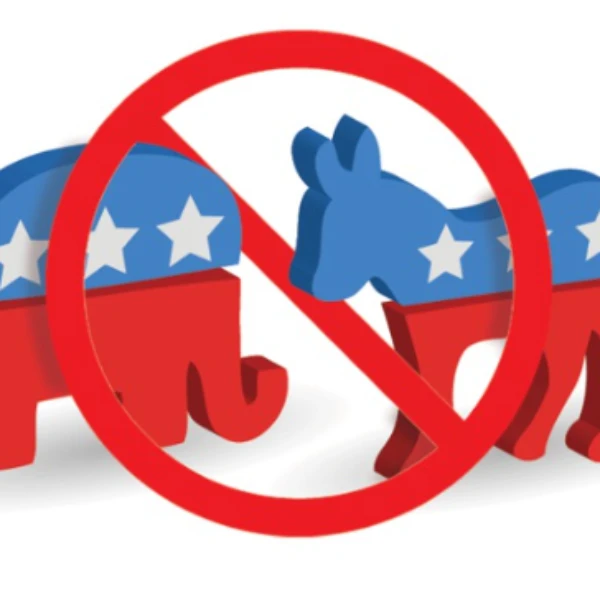
Will any independent or third-party candidate win an election in the U.S. House or Senate in 2026?
$
Intro
This market tracks whether at least one independent or third-party candidate will successfully win a U.S. House or Senate seat in the 2026 midterm elections. On Kalshi, the probability of this outcome occurring stands at 58.0%. Resolution will be determined by official election results from the U.S. House of Representatives or Senate races held in 2026. Watch the 2026 midterm elections on November 10 to see whether any non-major-party candidates break through in competitive races.
Kalshi
If any independent or third-party candidate wins an election for the U.S. House of Representatives or the U.S. Senate in 2026, then the market resolves to Yes.
Frequently asked questions
Currently, prediction markets often offer a different perspective than traditional polls. While polls aim to capture a snapshot of current voter intentions, this market reflects what traders believe will *actually* happen, incorporating a wider range of information and potential shifts in the political landscape. Historically, prediction markets have sometimes been more accurate than polls in forecasting election outcomes, though discrepancies can and do occur. It's important to remember that both polls and this market have their own strengths and limitations when assessing the likelihood of an independent candidate’s success.
On Kalshi, this market is priced using a continuous double auction. Traders buy and sell contracts representing the probability of the event occurring – in this case, an independent or third-party candidate winning a House or Senate seat. The price of a contract ranges from 0 to 100, reflecting the implied probability. As more traders buy contracts, the price rises, indicating increased belief in the outcome. On Kalshi, prices reflect that venue's order book, liquidity, and how traders price the outcome right now. The current top probability on Kalshi is 57.0% for the 'Yes' outcome.
This market resolves around Nov 10, 2026, following the 2026 U.S. House and Senate elections. The outcome will be determined by whether any candidate who is not affiliated with either the Democratic or Republican party wins a seat in either the U.S. House of Representatives or the U.S. Senate. Verification will be based on official election results reported by credible public sources, confirming the winners of each race. The market will settle to 100 if a qualifying candidate wins, and 0 if no such candidate wins.
Several factors could significantly impact this market. Major shifts in the political landscape, such as the emergence of a strong independent candidate with significant fundraising and media attention, would likely drive up the price. Changes in voter sentiment, reflected in polling data, could also influence trading activity. Unexpected events, like scandals involving major party candidates, could create opportunities for independent challengers. Finally, any news related to campaign finance regulations or ballot access laws could affect the viability of independent campaigns and, consequently, the price of this market.

