TOTAL VOLUME:
$147.3b
24H VOL:
$172,964,198
24H TRANSACTIONS:
2,798,566,680
OPEN INTEREST:
$1,800,387,182
518,213
Markets across
38,398
events
MATCHED EVENTS:
2,848
PLATFORM COVERAGE:
5
Polymarket:
38%
VS.
Kalshi:
62%

November 30
- Polymarket
November 30 - Polymarket
1W
News
Positive
Negative
Neutral
Hover marker for details
Vol.
·
Resolves Nov 30, 2026
Latest in World



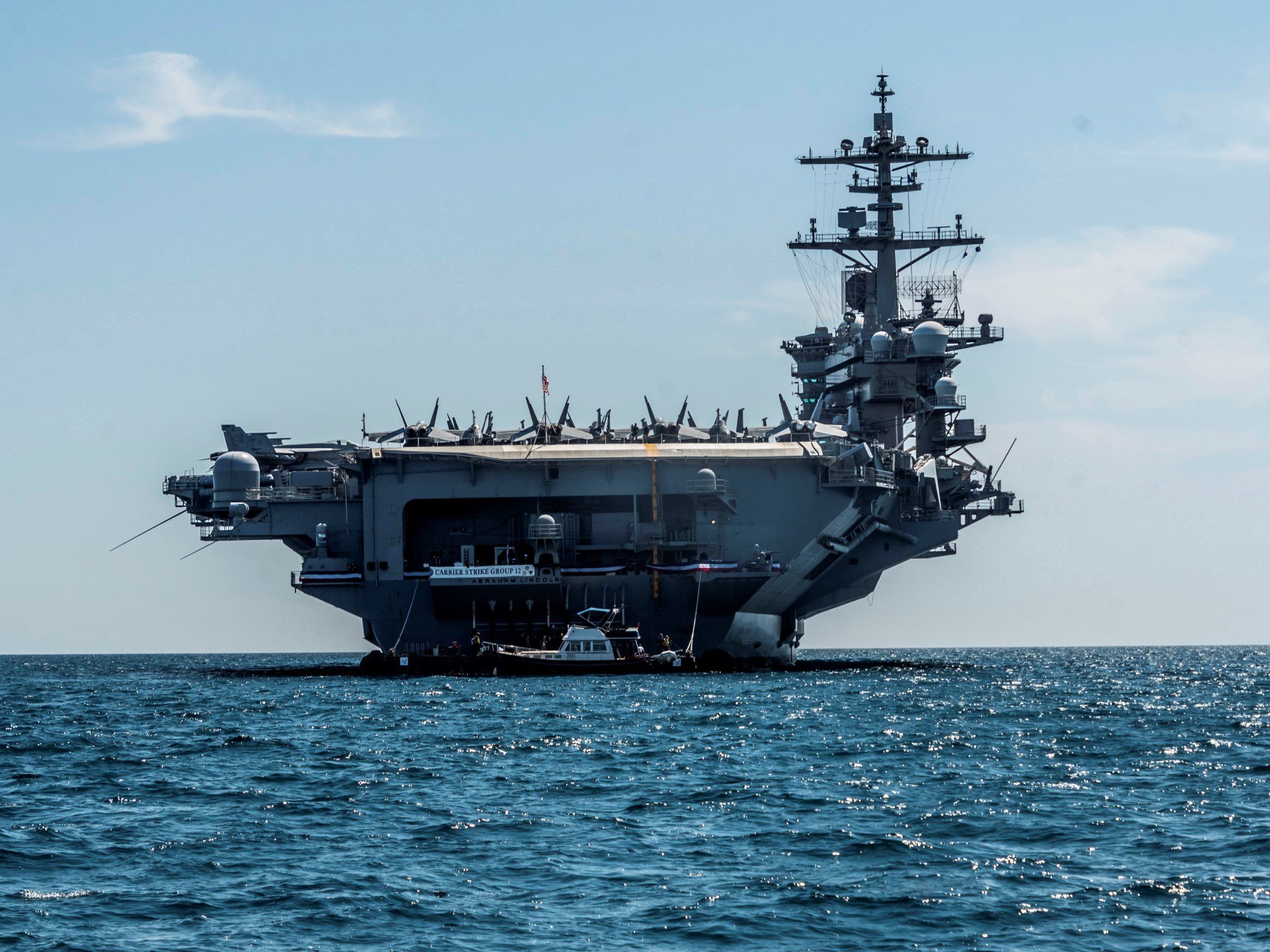
Will the USS George H.W. Bush be in CENTCOM on November 30, 2026?
$
Description
This market will resolve to “Yes” if the USS George H.W. Bush (CVN-77) is physically located within the U.S. Central Command (CENTCOM) area of responsibility at 12:00 PM ET on the listed date. Otherwise, this market will resolve to “No.” The ship's location will be determined by official information from the U.S. Navy, the U.S. Department of Defense, U.S. Central Command, U.S. Indo-Pacific Command, or U.S. European Command, or by a consensus of credible reporting. The ship's location at the specified time may be established by information published after that time. Port calls, temporary stops, or other movements within the CENTCOM area of responsibility will count as being within the area. Port calls, crew liberty, transits, or other movements outside the CENTCOM area of responsibility (e.g., in the U.S. Indo-Pacific Command or U.S. European Command areas of responsibility) will not count, regardless of whether the ship remains assigned to CENTCOM operations or subsequently returns. Announcements, orders, schedules, or reports that the ship will depart, will return, or is assigned to operations in the region will not by themselves establish its location. In the event of ambiguity as to whether the USS George H.W. Bush was within the specified area at the specified time, this market will remain open until the earlier of: (i) confirmation of the ship's location at the specified time, or (ii) the end of the seventh calendar day (ET) following the listed date. The market will resolve based on the totality of information available at that time. If there is material ambiguity as to whether the USS George H.W. Bush was within the specified area at the specified time, this market will resolve to “No.” The resolution sources for this market will be official information from the United States government and military, including the U.S. Navy, the Department of Defense, U.S. Central Command, U.S. Indo-Pacific Command, and U.S. European Command, and a consensus of credible reporting.
Polymarket
This market will resolve to “Yes” if the USS George H.W. Bush (CVN-77) is physically located within the U.S. Central Command (CENTCOM) area of responsibility at 12:00 PM ET on the listed date. Otherwise, this market will resolve to “No.” The ship's location will be determined by official information from the U.S. Navy, the U.S. Department of Defense, U.S. Central Command, U.S. Indo-Pacific Command, or U.S. European Command, or by a consensus of credible reporting. The ship's location at the specified time may be established by information published after that time. Port calls, temporary stops, or other movements within the CENTCOM area of responsibility will count as being within the area. Port calls, crew liberty, transits, or other movements outside the CENTCOM area of responsibility (e.g., in the U.S. Indo-Pacific Command or U.S. European Command areas of responsibility) will not count, regardless of whether the ship remains assigned to CENTCOM operations or subsequently returns. Announcements, orders, schedules, or reports that the ship will depart, will return, or is assigned to operations in the region will not by themselves establish its location. In the event of ambiguity as to whether the USS George H.W. Bush was within the specified area at the specified time, this market will remain open until the earlier of: (i) confirmation of the ship's location at the specified time, or (ii) the end of the seventh calendar day (ET) following the listed date. The market will resolve based on the totality of information available at that time. If there is material ambiguity as to whether the USS George H.W. Bush was within the specified area at the specified time, this market will resolve to “No.” The resolution sources for this market will be official information from the United States government and military, including the U.S. Navy, the Department of Defense, U.S. Central Command, U.S. Indo-Pacific Command, and U.S. European Command, and a consensus of credible reporting.
Frequently asked questions
Currently, prediction market odds offer a distinct perspective compared to traditional analyst forecasts regarding the USS George H.W. Bush’s deployment. While analysts often provide qualitative assessments, this market aggregates the collective judgment of a diverse range of participants. This can lead to differing viewpoints on the likelihood of various scenarios unfolding. It’s important to note that analyst forecasts are often based on publicly available information, whereas the wisdom of the crowd reflected in this market can incorporate less visible factors and real-time insights. Examining these differences can provide a more comprehensive understanding of potential outcomes.
On Polymarket, this market is priced through a continuous auction mechanism where traders buy and sell shares representing their beliefs about the outcome. The price of a share directly reflects the implied probability of that outcome occurring. On Polymarket, prices reflect that venue's order book, liquidity, and how traders price the outcome right now. As more traders participate and new information emerges, the price adjusts to reflect the evolving consensus. This dynamic pricing ensures that the market remains responsive to changes in sentiment and available data. The market’s efficiency stems from the incentive structure, where traders profit from accurately predicting the future.
This market resolves around Dec 1, 2026, with the outcome confirmed once the event is verifiable from credible public reporting. Resolution will be based on the official operational status of the USS George H.W. Bush as reported by official sources and verified against credible public sources. The specific area of operation that triggers resolution will be determined by the prevailing conditions at the time. Traders should monitor news and official announcements leading up to the resolution date to stay informed about potential developments that could influence the outcome of this market.
Several signals or events could significantly move this market before Dec 1, 2026. Any official announcements regarding changes to the USS George H.W. Bush’s deployment orders, including alterations to its area of operation, would likely cause a substantial shift in trading activity. Geopolitical events in the CENTCOM region, such as escalations or de-escalations of conflicts, could also influence market sentiment. Unexpected military exercises or diplomatic developments involving key regional actors could further contribute to price fluctuations within this market. Monitoring these factors will be crucial for understanding the market’s dynamics.


