TOTAL VOLUME:
$146.7b
24H VOL:
$162,970,420
24H TRANSACTIONS:
2,781,800,361
OPEN INTEREST:
$1,740,912,349
501,518
Markets across
37,286
events
MATCHED EVENTS:
2,933
PLATFORM COVERAGE:
5
Polymarket:
38%
VS.
Kalshi:
62%
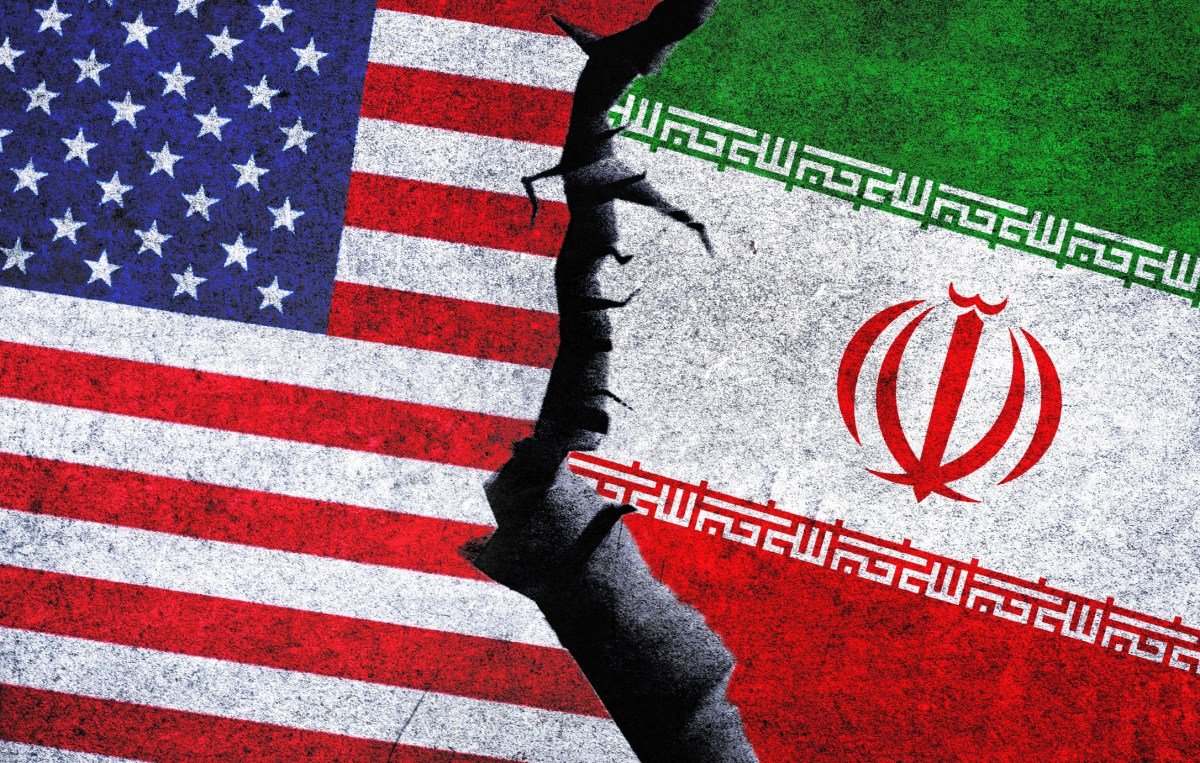
US-Iran ceasefire continues through the midterms?
- Polymarket
US-Iran ceasefire continues through the midterms? - Polymarket
1W
News
Positive
Negative
Neutral
Hover marker for details
Vol.
·
Resolves Nov 3, 2026
Latest in Politics





Time left: 12d:10h:04m
US-Iran ceasefire continues through the midterms?
$

US-Iran ceasefire continues through the midterms?
Intro
This market tracks whether a ceasefire between the US and Iran will continue through the US midterm elections. Currently, Polymarket gives a 68.5% probability to the outcome of “US-Iran ceasefire continues through the midterms?”. Resolution will be based on official information from the governments and militaries of the United States and Iran, alongside a consensus of credible reporting. Traders should particularly watch for any developments leading up to November 3, 2026, 11:59 PM ET, as that is the deadline for the US to take a qualifying military action against Iran that would trigger a “No” resolution.
Polymarket
This market will resolve to “No” if the United States takes a qualifying military action against Iran by November 3, 2026, 11:59 PM ET. Otherwise this market will resolve to “Yes.” A qualifying military action refers to an air strike or a surface-to-surface missile strike, initiated by the United States, that directly impacts Iran. An air strike includes bombs, air-to-surface missiles, and air-launched drones. A surface-to-surface missile strike includes one-way attack drones and surface-to-surface missiles such as cruise or ballistic missiles. The following actions do not constitute a qualifying military action: Munitions destroyed or intercepted before impact; Surface-to-air missile strikes; Small-arms fire; Ground incursions; Cyber operations; Naval gunfire and artillery fire; Howitzers, artillery pieces, mortars, and rocket artillery (e.g. MLRS systems); Minor surface-to-surface strikes, including short range loitering munitions, FPV drones, and ATGM strikes; Any threat, authorization, or announcement of force that has not been executed. Any munition that is intercepted or destroyed before impact does not constitute a qualifying military action. Debris, fragments, or any wreckage from intercepted munitions that land on Iran do not constitute a military action regardless of any damage incurred. “Iran” refers to the terrestrial territory of Iran, including its internal waters. Iran’s maritime territory and airspace are not encompassed. Where territorial borders are disputed, all territory claimed by and under the de facto control of Iran as of market creation will qualify. The occurrence, attribution, and timing of a qualifying military action will be primarily determined based on a consensus of information available from the resolution sources. Where multiple sources conflict regarding the occurrence, attribution, or timing of a relevant military action, this market will remain open until the earlier of: i) the confirmation of the occurrence, attribution, and timing of the action based on a consensus of information available from the resolution sources or ii) 3 full calendar days (Iran Standard Time) from the date of the first credibly reported evidence of the action. If this period would extend past the end date, this market will remain open to allow for 3 full calendar days to pass. At the end of the third calendar day, if conflicting reports remain, the incident will be adjudicated based on the totality of information available from the resolution sources at that time. No single statement, denial, or presentation of evidence will govern where it is contradicted by the totality of information. The resolution sources for this market will be official information from the governments and militaries of the United States and Iran and a consensus of credible reporting.
Frequently asked questions
Currently, the implied probability of a US-Iran ceasefire continuing through the midterms, as reflected by this market, is 71.5%. This contrasts with traditional polling data, which often focuses on stated opinions rather than incentivized predictions. While polls can gauge public sentiment, this market represents what individuals are willing to put their money on, potentially offering a more accurate signal of likely outcomes. It's important to remember that prediction markets and polls measure different things, and discrepancies can arise due to factors like information asymmetry and strategic behavior.
On Polymarket, this market is priced through a continuous trading mechanism where users buy and sell shares representing their belief in the outcome. The price of a share directly reflects the probability of the event occurring – a higher price indicates a greater perceived chance of a ceasefire continuing through the midterms. On Polymarket, prices reflect that venue's order book, liquidity, and how traders price the outcome right now. The market’s price adjusts dynamically based on supply and demand, driven by traders reacting to new information and their own analysis. This creates a real-time assessment of the likelihood of the event.
This market resolves around Nov 4, 2026, with the outcome confirmed once the event is verifiable from credible public reporting. Resolution will depend on whether a ceasefire between the US and Iran is demonstrably in effect throughout the period leading up to and including the US midterm elections. The determination will be based on publicly available information from reputable news sources and governmental statements, ensuring a transparent and objective assessment of whether the conditions for resolution have been met.
Several factors could significantly impact this market. Any major escalation in tensions between the US and Iran, such as military confrontations or significant policy changes, would likely decrease the probability of a continued ceasefire. Conversely, positive diplomatic developments, like renewed negotiations or confidence-building measures, could increase the odds. Broader geopolitical events, such as shifts in regional alliances or international pressure, could also play a role. Finally, statements from key political figures regarding US-Iran relations could influence trading activity and move this market.


