TOTAL VOLUME:
$138.4b
24H VOL:
$96,535,358
24H TRANSACTIONS:
2,495,670,182
OPEN INTEREST:
$1,525,921,801
457,804
Markets across
34,744
events
MATCHED EVENTS:
2,812
PLATFORM COVERAGE:
5
Polymarket:
39%
VS.
Kalshi:
61%
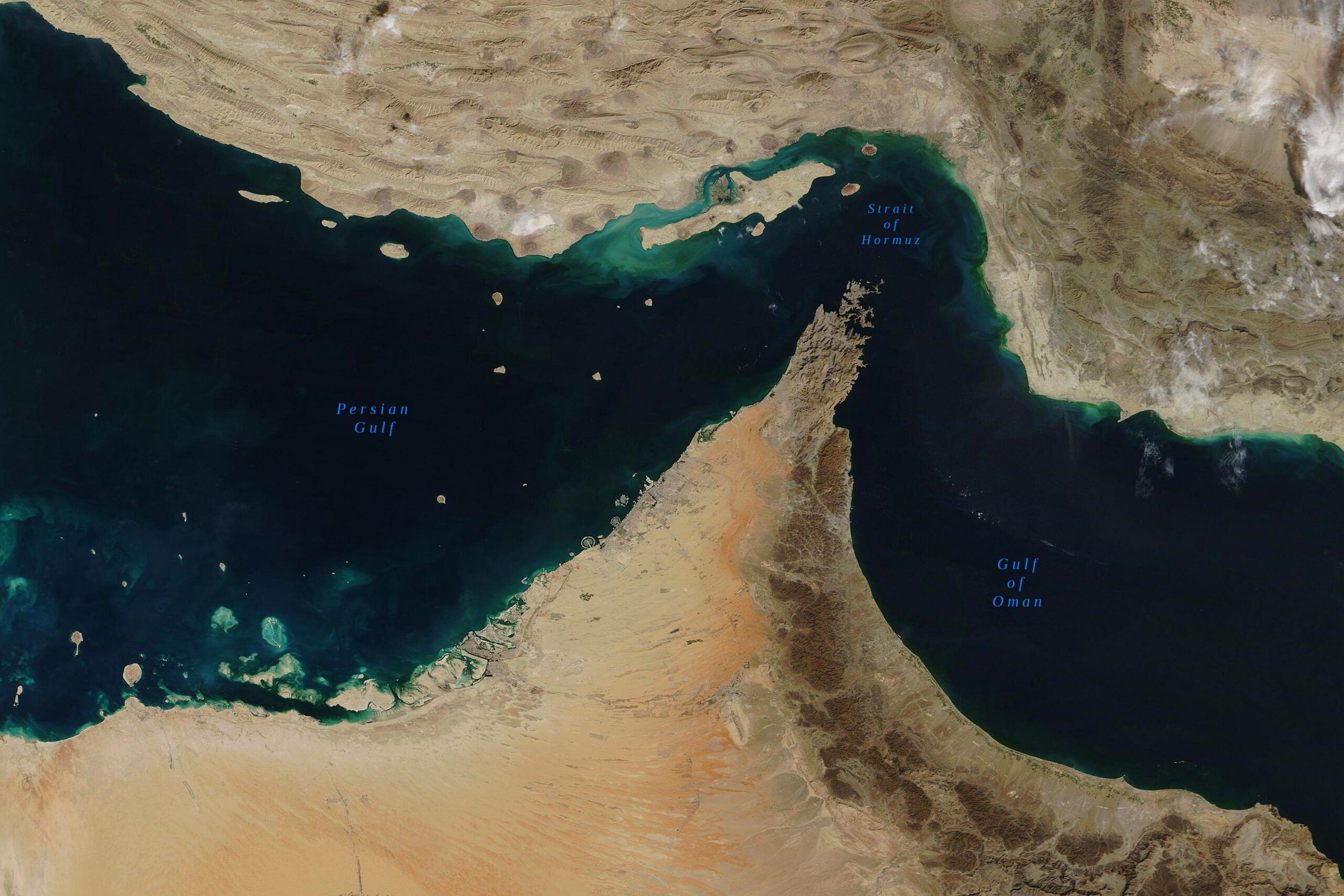
Strait of Hormuz traffic returns to normal by October 31?
- Polymarket
Strait of Hormuz traffic returns to normal by October 31? - Polymarket
1W
News
Positive
Negative
Neutral
Hover marker for details
Vol.
·
Resolves Nov 1, 2026
Latest in Politics







Time left: 23d:14h:40m
Strait of Hormuz traffic returns to normal by October 31?
$

Strait of Hormuz traffic returns to normal by October 31?
Intro
This market tracks whether Strait of Hormuz traffic returns to normal by October 31, 2026, as measured by a 7-day moving average of transit calls published by IMF Portwatch. Currently, Polymarket gives this outcome a 2.9% probability. The resolution source for this market is IMF Portwatch data, specifically the transit calls for the Strait of Hormuz available at https://portwatch.imf.org/pages/cb5856222a5b4105adc6ee7e880a1730. Traders should closely watch IMF Portwatch data leading up to October 31, 2026, to see if the 7-day moving average of transit calls reaches or exceeds 60, which would trigger resolution to “Yes”.
Polymarket
This market will resolve to “Yes” if IMF Portwatch publishes a 7-day moving average of transit calls (“Arrivals of Ships”) for the Strait of Hormuz equal to or above 60 for any date between market creation and October 31, 2026. Otherwise, this market will resolve to “No”. Daily transit calls include container, dry bulk, roll-on/roll-off, general cargo, and tanker ships. Ships not reported by IMF Portwatch will not be considered. This market will resolve as soon as IMF Portwatch publishes a 7-day moving average of transit calls equal to or above the specified level, or once data has been published for the final date in the specified period and no such value has been published. If no data has been published for the final date of the specified period within 14 calendar days (ET) after the end of that period, this market will resolve based on data published up to that point. Revisions to previously published data points made within this market’s timeframe will be considered. However, they will not disqualify a previously published data point from qualifying. Revisions to previously published data points after data is published for October 31, 2026, however, will not be considered. In case of obvious data integrity issues (i.e., erroneous data), the market may remain open until the end of the third calendar day (ET) after the date on which such data is first released to allow for corrections. Data integrity issues refer only to clerical or other similar errors in the underlying data, and do not include cases where IMF Portwatch differs from alternative sources. The resolution source for this market will be IMF Portwatch, specifically the transit calls data published for the Strait of Hormuz at https://portwatch.imf.org/pages/cb5856222a5b4105adc6ee7e880a1730, both in the chart and through downloadable files.
Frequently asked questions
Currently, the implied probability on Polymarket suggests a relatively low chance of Strait of Hormuz traffic returning to normal by October 31. This contrasts with some expert analysis and public polling, which present a wider range of potential outcomes. While polls capture sentiment, this market reflects what traders are willing to put their money on, offering a different perspective on the likelihood of the event. It’s important to remember that prediction markets incentivize accurate forecasting, potentially making them more insightful than simple opinion polls.
On Polymarket, this market is priced through a continuous auction mechanism where traders buy and sell contracts representing their belief about the outcome. The price of a contract directly reflects the probability of the event occurring – a higher price indicates a greater perceived chance of normal traffic resuming by the deadline. On Polymarket, prices reflect that venue's order book, liquidity, and how traders price the outcome right now. The market’s price is driven by supply and demand; if more traders believe traffic will normalize, they’ll buy contracts, driving up the price, and vice versa. This dynamic pricing ensures the market reflects the collective wisdom of the crowd.
This market resolves around Nov 1, 2026, with the outcome confirmed once the event is verifiable from credible public reporting. Resolution will depend on whether major shipping routes through the Strait of Hormuz have returned to typical operational levels by the specified date. Reports from international maritime organizations, news agencies, and governmental bodies will be used to assess the situation. The outcome will be a binary determination: either traffic has returned to normal, or it has not, based on publicly available information.
Several factors could significantly impact this market. Escalations in geopolitical tensions between Iran and other regional or global powers would likely decrease the probability of normal traffic resuming. Conversely, successful diplomatic efforts or de-escalation measures could increase it. Major incidents impacting shipping, such as attacks on tankers or disruptions due to weather, could also move the market. Economic factors, like changes in oil prices or global trade flows, might also play a role, though likely to a lesser extent. Monitoring these developments is crucial for understanding potential shifts in this market.


