TOTAL VOLUME:
$147.1b
24H VOL:
$113,840,372
24H TRANSACTIONS:
2,782,936,628
OPEN INTEREST:
$1,735,667,054
505,688
Markets across
37,539
events
MATCHED EVENTS:
2,849
PLATFORM COVERAGE:
5
Polymarket:
38%
VS.
Kalshi:
62%

October 5
- Polymarket
October 5 - Polymarket
1W
News
Positive
Negative
Neutral
Hover marker for details
Vol.
·
Resolves Oct 31, 2026
Latest in Transportation

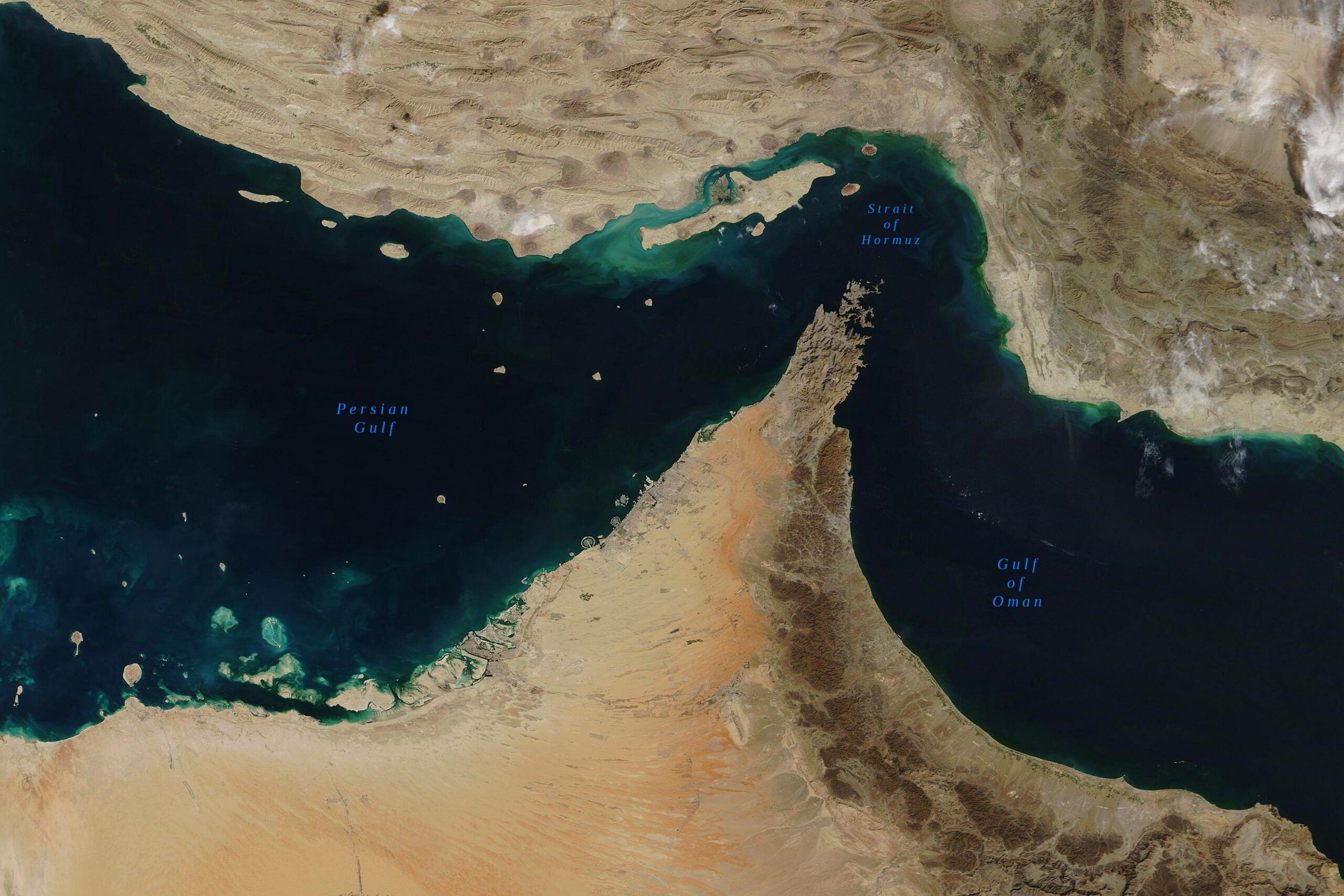
Shipping targeted in Hormuz on October 5, 2026?
$
Description
This market will resolve to "Yes" if a kinetic strike is conducted on, or forceful seizure of control is taken of, a commercial ship within the defined area on the specified date, between 12:00 AM and 11:59 PM UTC. Otherwise, this market will resolve to "No". The defined area consists of the Persian Gulf, the Strait of Hormuz, and the Gulf of Oman. An incident occurring outside these three bodies of water will not qualify, including in the Arabian Sea, the Gulf of Aden, or the Red Sea. No attribution is required. A qualifying incident will count regardless of the identity of the party responsible, regardless of whether any state or group claims responsibility, and regardless of whether responsibility is denied, disputed, or never established. Attacks on military vessels will not be considered. Missile/drone strikes targeting a ship that are intercepted or otherwise do not directly impact the vessel will not be considered, regardless of damage through debris. Seize control refers to forcefully boarding and taking control of a commercial ship. Qualifying incidents include, but are not limited to, drone and missile strikes, aerial bombings, and kinetic actions carried out by operatives in person. Damaged caused by mines will not qualify. The primary resolution source for this market will be a consensus of credible reporting. The occurrence, location, and timing of a qualifying incident will be primarily determined based on a consensus of information available from the resolution sources. Where multiple sources conflict regarding the occurrence, location, or timing of a relevant incident, this market will remain open until the earlier of: i) the confirmation of the occurrence, location, and timing of the incident based on a consensus of information available from the resolution sources or ii) 3 full calendar days (UTC) from the date of the first credibly reported evidence of the incident. If this period would extend past the end date, this market will remain open to allow for 3 full calendar days to pass. If, at the end of the third calendar day, conflicting reports remain as to the occurrence, location, or timing of the incident, the incident will be judged on the totality of information available from the resolution sources at that time. No single statement, denial, or presentation of evidence will govern where it is contradicted by the totality of information.
Polymarket
This market will resolve to "Yes" if a kinetic strike is conducted on, or forceful seizure of control is taken of, a commercial ship within the defined area on the specified date, between 12:00 AM and 11:59 PM UTC. Otherwise, this market will resolve to "No". The defined area consists of the Persian Gulf, the Strait of Hormuz, and the Gulf of Oman. An incident occurring outside these three bodies of water will not qualify, including in the Arabian Sea, the Gulf of Aden, or the Red Sea. No attribution is required. A qualifying incident will count regardless of the identity of the party responsible, regardless of whether any state or group claims responsibility, and regardless of whether responsibility is denied, disputed, or never established. Attacks on military vessels will not be considered. Missile/drone strikes targeting a ship that are intercepted or otherwise do not directly impact the vessel will not be considered, regardless of damage through debris. Seize control refers to forcefully boarding and taking control of a commercial ship. Qualifying incidents include, but are not limited to, drone and missile strikes, aerial bombings, and kinetic actions carried out by operatives in person. Damaged caused by mines will not qualify. The primary resolution source for this market will be a consensus of credible reporting. The occurrence, location, and timing of a qualifying incident will be primarily determined based on a consensus of information available from the resolution sources. Where multiple sources conflict regarding the occurrence, location, or timing of a relevant incident, this market will remain open until the earlier of: i) the confirmation of the occurrence, location, and timing of the incident based on a consensus of information available from the resolution sources or ii) 3 full calendar days (UTC) from the date of the first credibly reported evidence of the incident. If this period would extend past the end date, this market will remain open to allow for 3 full calendar days to pass. If, at the end of the third calendar day, conflicting reports remain as to the occurrence, location, or timing of the incident, the incident will be judged on the totality of information available from the resolution sources at that time. No single statement, denial, or presentation of evidence will govern where it is contradicted by the totality of information.
Frequently asked questions
Comparing prediction market odds to sportsbook odds can reveal interesting insights into public perception. While sportsbooks primarily cater to sports enthusiasts, this market attracts a broader range of participants interested in geopolitical risk. It's common to see differences in probabilities, as prediction markets often incorporate information from diverse sources and expert opinions more rapidly than traditional betting venues. However, both reflect a collective assessment of the likelihood of an event, and significant discrepancies may present potential arbitrage opportunities for informed traders.
On Polymarket, this market is priced through a continuous auction mechanism, where traders buy and sell shares representing their belief about the outcome. The price of a share directly reflects the probability of the event occurring, as perceived by the market participants. On Polymarket, prices reflect that venue's order book, liquidity, and how traders price the outcome right now. The more traders believe an attack is likely, the higher the share price will climb, and vice versa. This dynamic pricing ensures that the market reflects the most up-to-date information and collective intelligence available. Trading volume and open interest also influence price discovery.
This market resolves around Nov 1, 2026, with the outcome confirmed once the event is verifiable from credible public reporting. Resolution will depend on whether a successful attack on shipping in the Strait of Hormuz has occurred within the specified timeframe. This includes confirmed incidents of damage or disruption to commercial vessels. The outcome will be assessed based on widely available news sources and official statements from relevant authorities, ensuring a transparent and objective determination. The market will then settle based on whether the event happened or not.
Several signals or events could significantly impact this market. Escalations in geopolitical tensions between Iran and other regional or global powers would likely drive up the probability of an attack. Increased military presence in the Strait of Hormuz, or conversely, a withdrawal of naval assets, could also influence trading activity. Reports of heightened Iranian naval exercises or provocative actions by proxy groups would be key catalysts. Finally, any confirmed incidents of harassment or minor attacks on shipping could serve as warning signs and move the market accordingly.


