TOTAL VOLUME:
$154.1b
24H VOL:
$172,394,893
24H TRANSACTIONS:
2,983,476,643
OPEN INTEREST:
$1,821,572,886
404,136
Markets across
40,075
events
MATCHED EVENTS:
4,369
PLATFORM COVERAGE:
5
Polymarket:
37%
VS.
Kalshi:
63%
Closed: Oct 6, 11:59 PM EST

Kalshi
Description
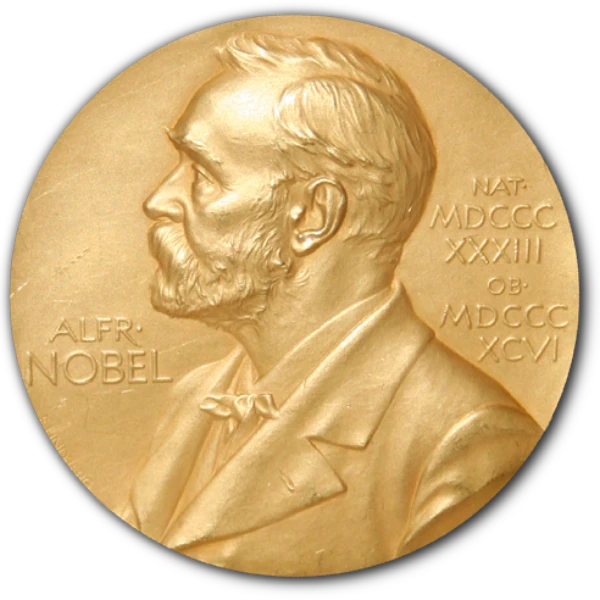
This event tracks predictions about who will be awarded the Nobel Prize in Chemistry for the year 2026. Participants speculate on the likelihood of various scientists receiving this prestigious honor, reflecting anticipation and analysis of potential groundbreaking contributions in chemical research.
Kalshi
The event resolves to Yes for any market where the specified individual wins the 2026 Nobel Prize in Chemistry. Each market is dedicated to a specific scientist, and the outcome is determined solely by whether that scientist is announced as a laureate for that year. All markets clarify that references to the Nobel Foundation are purely descriptive and do not imply endorsement or affiliation with the Foundation, ensuring that the speculative nature of the markets remains separate from official Nobel Prize processes.
Frequently asked questions
Typically, prediction market odds offer a different perspective than traditional analyst forecasts. While analysts rely on expert opinions and modeling, this market reflects the collective wisdom of traders who are incentivized to make accurate predictions. Often, prediction markets can be more accurate, especially when dealing with complex events where subjective judgment plays a large role. It's common to see discrepancies between what experts predict and how this market prices in probabilities, potentially revealing overlooked factors or biases in conventional analysis. The current trading indicates a different outlook than many public forecasts.
On Kalshi, this market is priced using a continuous double auction, meaning traders buy and sell contracts representing different outcomes. The price of a contract reflects the probability of that outcome occurring, as perceived by the market participants. As more traders participate and new information becomes available, the prices adjust accordingly. On Kalshi, prices reflect that venue's order book, liquidity, and how traders price the outcome right now. The market depth – the number of buy and sell orders at different price levels – also provides insights into the strength of conviction behind various predictions. This dynamic pricing mechanism ensures that the market reflects the most up-to-date collective intelligence.
This market resolves around Oct 8, 2026, with the outcome confirmed once the Nobel Prize in Chemistry winner(s) is officially announced by the Nobel Committee and the event is verifiable from credible public reporting. The market will settle to 100 for the winning outcome(s) and 0 for all others. Traders should monitor official announcements to understand the final result and how this market will be settled. The resolution process relies on publicly available information, ensuring transparency and fairness for all participants in this market.
Several signals could significantly influence this market. Major scientific breakthroughs in chemistry, particularly those garnering widespread attention and potential Nobel-worthy recognition, would likely cause shifts in the odds. Publications in high-impact journals, significant research grants awarded to specific scientists, and even rumors or leaks regarding the Nobel Committee’s deliberations could all move the market. Unexpected developments in areas like materials science, biochemistry, or environmental chemistry could also trigger price changes as traders reassess the probabilities of different researchers being honored.


