TOTAL VOLUME:
$134b
24H VOL:
$107,351,958
24H TRANSACTIONS:
2,388,728,490
OPEN INTEREST:
$1,416,970,024
400,720
Markets across
30,097
events
MATCHED EVENTS:
2,633
PLATFORM COVERAGE:
5
Polymarket:
39%
VS.
Kalshi:
61%
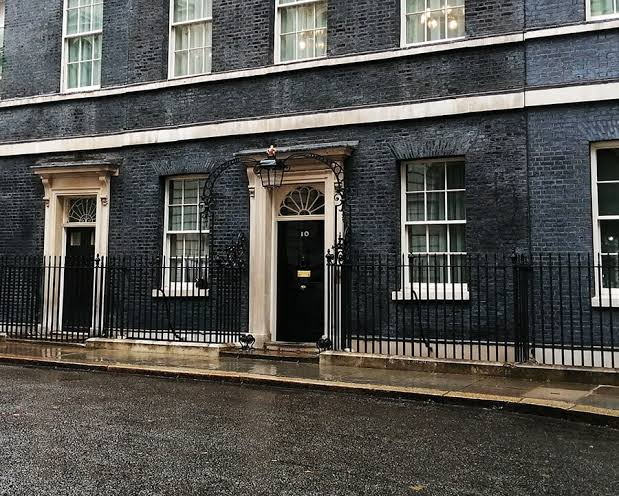
Next UK Prime Minister appointed by…?
July 31
- Polymarket
July 31 - Polymarket
1W
News
Positive
Negative
Neutral
Hover marker for details
Vol.
·
Resolved Jul 20, 2026
Latest in Politics




Closed: Jul 31, 7:59 PM EST

Polymarket
Description
This market will resolve to “Yes” if the next Prime Minister of the UK is officially appointed by the listed date, 11:59 PM ET. Otherwise, this market will resolve to “No”. To count for resolution, the individual must be officially appointed by the United Kingdom Monarch. Any interim or caretaker Prime Minister will not count toward the resolution of this market. If no such Prime Minister is appointed, or Keir Starmer is re-appointed as Prime Minister without another intervening Prime Minister, by the listed date, 11:59 PM ET, this market will resolve to “No”. The primary resolution source for this market will be official information from the Government of the United Kingdom; however, a consensus of credible reporting may also be used.
Polymarket
This market will resolve to “Yes” if the next Prime Minister of the UK is officially appointed by the listed date, 11:59 PM ET. Otherwise, this market will resolve to “No”. To count for resolution, the individual must be officially appointed by the United Kingdom Monarch. Any interim or caretaker Prime Minister will not count toward the resolution of this market. If no such Prime Minister is appointed, or Keir Starmer is re-appointed as Prime Minister without another intervening Prime Minister, by the listed date, 11:59 PM ET, this market will resolve to “No”. The primary resolution source for this market will be official information from the Government of the United Kingdom; however, a consensus of credible reporting may also be used.
Frequently asked questions
Prediction market odds and traditional polling measure different things. Polls capture voter preference at a snapshot in time, while this market aggregates real-money bets on whether an actual appointment will occur by the deadline. Market odds often incorporate insider knowledge, recent political developments, and trader conviction that polls may lag. When political uncertainty rises—such as during confidence votes or coalition negotiations—prediction markets typically react faster than polling averages. Comparing the two reveals whether traders believe polling sentiment will translate into concrete political action.
On Polymarket, traders set the odds through an automated market maker that adjusts prices based on buy and sell volume. On Polymarket, prices reflect that venue's order book, liquidity, and how traders price the outcome right now. The current odds reflect the aggregated belief of all active traders about the likelihood of appointment by the deadline. As new information emerges—such as parliamentary votes, party announcements, or leadership contests—traders adjust their positions, moving the price up or down. This continuous repricing ensures the market stays responsive to real-world political developments and reflects the most current consensus among participants.
This market resolves around Sep 30, 2026, with the outcome confirmed once the event is verifiable from credible public reporting. The resolution hinges on whether a new UK Prime Minister has been formally appointed by that date. Once the appointment is officially announced and documented through authoritative UK government sources, the market settles accordingly. Traders holding shares aligned with the actual outcome receive their payout, while opposing positions expire worthless.
Several catalysts could shift odds significantly. A sitting Prime Minister's resignation announcement or loss of confidence votes would spike appointment odds sharply. Leadership contests within major parties, coalition negotiations, or snap elections could also trigger volatility. Parliamentary developments—such as no-confidence motions or legislative defeats—often precede Prime Ministerial changes and would likely move the market higher. Conversely, political stability, strong government polling, or statements ruling out early transitions could lower odds. Media reports of succession planning or backbench pressure typically generate smaller but measurable moves as traders reassess the timeline.


'%3e%3ccircle%20cx='26'%20cy='26'%20r='26'%20fill='%23000'/%3e%3cpath%20fill='%23fff'%20d='M27.6629%2037.9855L31.004%2037.6925L32.1989%2051.3689C33.72%2051.027%2035.2073%2050.5486%2036.6425%2049.9395V37.8085H40.7697V47.7178C42.4942%2046.577%2044.0775%2045.236%2045.4865%2043.7226L46.0172%2037.6591L49.5548%2037.9678C51.5707%2034.0725%2052.5697%2029.7306%2052.4591%2025.3456C52.3484%2020.9605%2051.1317%2016.6746%2048.9219%2012.886L48.7903%2014.392L44.6631%2014.0303L45.1937%207.97067C43.8569%206.58147%2042.3706%205.34447%2040.7619%204.28222V14.2406H36.6347V2.06247C34.8743%201.313%2033.0358%200.762345%2031.1533%200.420753L32.3463%2014.0637L29.0052%2014.3566L27.7513%200.0314647C27.3308%200.0118035%2026.9062%200%2026.4817%200C24.8262%204.44017e-06%2023.1745%200.157349%2021.5487%200.469906L23.9072%2013.8985L21.364%2014.3468L19.0253%201.0853C16.8454%201.73668%2014.7611%202.67345%2012.8266%203.87129L15.4601%2013.7019L13.4634%2014.2387L11.0146%205.09226C9.12509%206.49278%207.43337%208.1422%205.98527%209.99577L7.26077%2013.5014L5.80446%2014.0322L4.88665%2011.5097C3.41845%2013.6953%202.29182%2016.092%201.54558%2018.6172L1.95829%2018.4678L7.2647%2033.0387L5.80839%2033.5696L1.06407%2020.5303C-0.0225105%2025.6016%200.430464%2030.8821%202.36486%2035.6941C4.29926%2040.5061%207.62683%2044.6301%2011.9206%2047.5369L9.45605%2038.3355L11.4528%2037.7987L14.4677%2049.0567C16.5333%2050.1354%2018.7355%2050.9291%2021.0142%2051.4161L18.6892%2038.1605L21.2343%2037.7122L23.7283%2051.8683C24.6462%2051.9654%2025.5686%2052.014%2026.4916%2052.0138C27.2954%2052.0138%2028.0933%2051.9764%2028.8795%2051.9037L27.6629%2037.9855Z'%20/%3e%3cpath%20fill='%23000'%20d='M46.0368%2018.1276L50.1542%2018.4875L48.804%2033.9372L44.6768%2033.5774L46.0368%2018.1276ZM36.6484%2018.279H40.7756V33.7858H36.6484V18.279ZM31.0099%2018.1611L32.3601%2033.6109L29.019%2033.9038L27.6668%2018.454L31.0099%2018.1611ZM13.481%2033.7898L9.4698%2018.8099L11.4666%2018.2751L15.4778%2033.2452L13.481%2033.7898ZM21.3817%2033.892L18.6892%2018.6211L21.2343%2018.1729L23.9248%2033.4418L21.3817%2033.892Z'%20/%3e%3c/g%3e%3c/svg%3e)
%20scale(0.82)%20translate(-12.5%20-12.5)'%3e%3cpath%20fill='%23000'%20fill-rule='evenodd'%20d='M9.619%2012.69h12.995a1.382%201.382%200%200%200%200-2.76h-3.932l5.298-5.405.032-.032L22.08%202.56h-5.255V1.38c0-.76-.619-1.38-1.38-1.38H9.81c-.76%200-1.38.62-1.38%201.38V11.5c0%20.657.534%201.19%201.19%201.19m12.995-2.186h-5.3l5.89-6.01-1.139-1.139-5.813%205.933V1.38a.806.806%200%200%200-.805-.806.806.806%200%200%200-.805.806v9.545c0%20.656.533%201.19%201.189%201.19h6.783a.806.806%200%200%200%200-1.612'%20clip-rule='evenodd'/%3e%3cpath%20fill='%23000'%20fill-rule='evenodd'%20d='M14.393%2011.31H1.398a1.382%201.382%200%200%200%200%202.76H5.33L.032%2019.476%200%2019.507l1.931%201.933h5.255v1.18c0%20.76.619%201.38%201.379%201.38h5.638c.76%200%201.38-.62%201.38-1.38V12.5c0-.657-.534-1.19-1.19-1.19m.293%2011.31a.8.8%200%200%201-.788.805.797.797%200%200%201-.787-.805v-7.904l-5.69%205.928-1.113-1.139%205.764-6.005H6.884a.797.797%200%200%201-.787-.806c0-.444.353-.806.787-.806h6.638c.642%200%201.164.534%201.164%201.19z'%20clip-rule='evenodd'/%3e%3c/g%3e%3c/svg%3e)