TOTAL VOLUME:
$134.1b
24H VOL:
$133,388,117
24H TRANSACTIONS:
2,388,728,490
OPEN INTEREST:
$1,436,095,462
405,232
Markets across
30,526
events
MATCHED EVENTS:
2,693
PLATFORM COVERAGE:
5
Polymarket:
39%
VS.
Kalshi:
61%
Janez Janša
- Polymarket
Janez Janša - Polymarket
1W
News
Positive
Negative
Neutral
Hover marker for details
Vol.
·
Resolved May 31, 2026
Latest in Elections


Closed: Mar 21, 8:00 PM EST

Polymarket
Intro
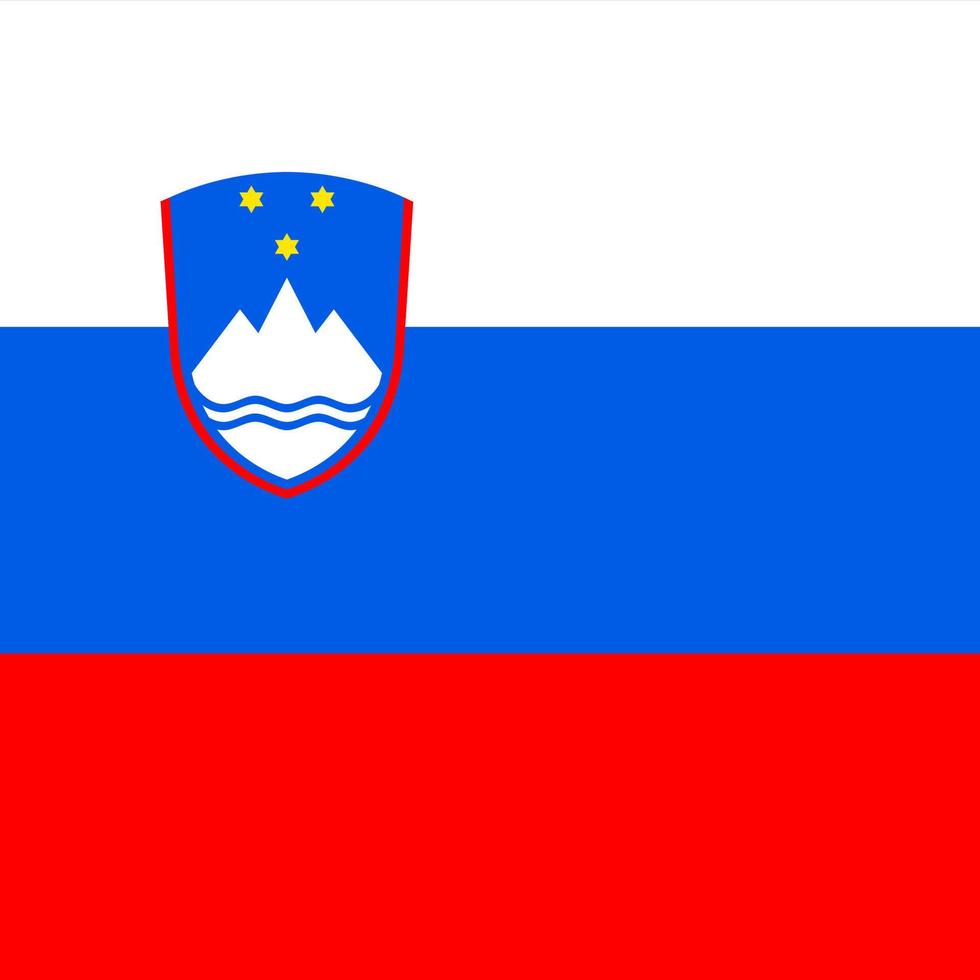
This market tracks who will become Slovenia's next Prime Minister following the country's parliamentary elections. On Polymarket, Janez Janša commands 97.2% probability, with Anže Logar at 1.2%. Resolution will be determined by official Government of Slovenia records and credible reporting of who is formally sworn in by the National Assembly after the March 22, 2026 election. Watch the parliamentary election results on March 22, 2026 to see which candidate secures the necessary support for Prime Minister.
Frequently asked questions
Prediction market odds on Polymarket often diverge from traditional polling because traders incorporate real-time political developments, coalition dynamics, and campaign momentum that polls may lag in capturing. While polls measure voter preference at a single point in time, prediction markets reflect the collective financial commitment of participants betting on actual outcomes. For the Next Prime Minister of Slovenia race, market odds can shift rapidly following government statements, electoral law changes, or coalition negotiations. Comparing market prices to recent polling provides insight into whether traders are pricing in scenarios polls have not yet reflected.
The Next Prime Minister of Slovenia market resolves on Mar 22, 2026. Resolution is determined by the official outcome of Slovenia's electoral and government formation process, specifically which candidate assumes the office of Prime Minister. Market participants are trading on this binary political event, and the prediction market will settle once the new Prime Minister is formally confirmed and takes office. Until that date, odds remain fluid and subject to all political developments in the country.
Key catalysts for Next Prime Minister of Slovenia odds include parliamentary election results, coalition negotiation outcomes, and public statements from major political parties about government formation. Polling releases showing shifts in voter support can trigger market repricing, as can unexpected political alliances or party leadership changes. International developments affecting Slovenia's EU or NATO relationships may influence trader expectations. Campaign events, debate performances, and scandals involving leading candidates are also significant price drivers. Economic data or policy announcements closer to the resolution date could reshape coalition viability and thus alter market odds for each candidate.
