TOTAL VOLUME:
$147.6b
24H VOL:
$156,130,290
24H TRANSACTIONS:
2,799,919,006
OPEN INTEREST:
$1,782,923,786
501,315
Markets across
37,757
events
MATCHED EVENTS:
2,847
PLATFORM COVERAGE:
5
Polymarket:
38%
VS.
Kalshi:
62%


Democratic Party
all
2 markets
Polymarket
Kalshi
consensus
News
Positive
Negative
Neutral
Hover marker for details
Vol.
·
Resolves Jan 4, 2027
Latest in Politics



Time left: 10d:23h:12m
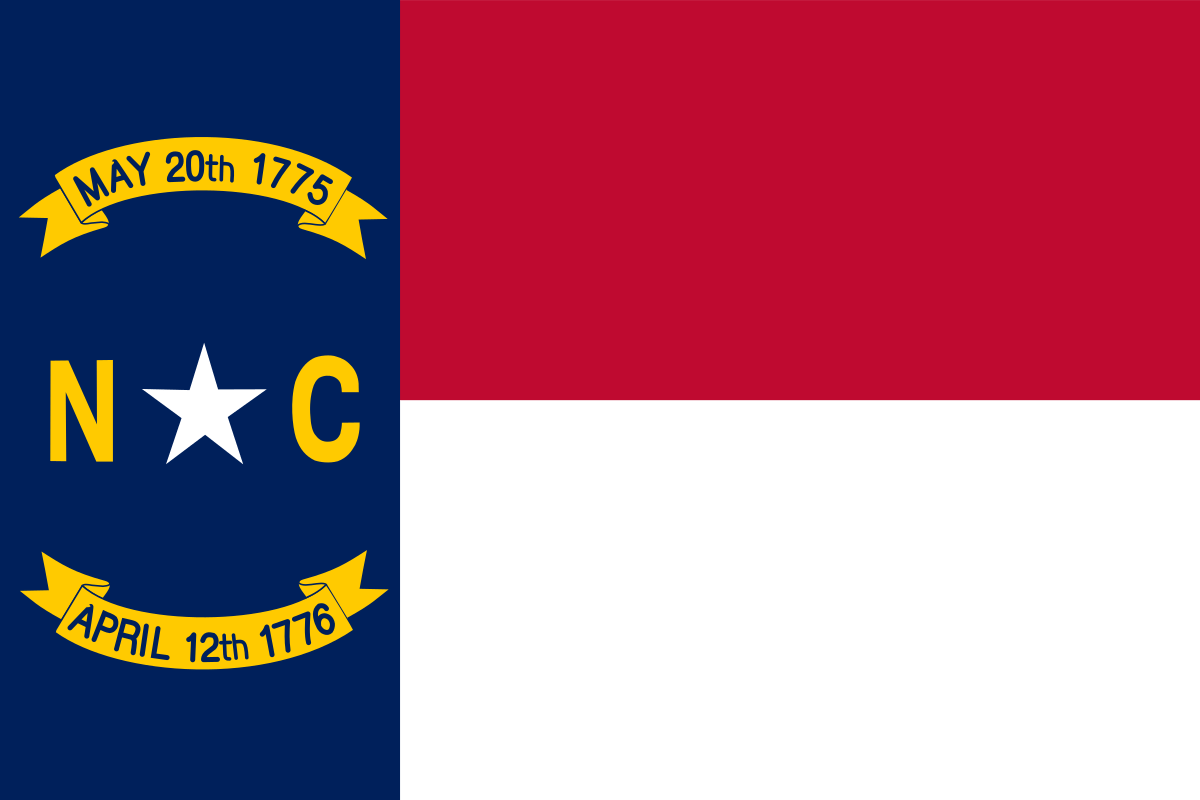
Will the Democratic Party win the NC-11 House seat?
$

Intro
This market tracks which party will win the election for North Carolina’s 11th congressional district House seat in 2026. Currently, the consensus probability favors the Democratic Party winning with 83.0%, while the Republican Party is at 16.0%. This aggregated view combines data from Polymarket and Kalshi, with resolution determined by the Federal Election Commission (https://www.fec.gov/). Market participants should watch the results of the election on January 4, 2027, as this date marks the end of the betting period and will trigger resolution based on the winning candidate’s party affiliation as reported by the FEC.
PredictionHero - Resolution Divergence Alerts (RDA)
Unified Resolution Criteria (Consistent across platforms)
Both Polymarket and Kalshi rely on the same core criteria: the party affiliation of the winning candidate as determined by official election results.Primary resolution logic: Federal Election Commission (https://www.fec.gov/)Core resolution logic:
- The market resolves based on the party of the candidate who wins the NC-11 House seat.
- If a candidate has no ballot-listed party affiliation, their stated intent to caucus determines their party.
- The FEC serves as the final authority for resolving any ambiguities or disputes.
Edge cases & clarifications:
- Tie: In the highly unlikely event of a tie, the FEC's official results will be used to determine the winner and thus resolve the market.
- Candidate Changes Affiliation: A candidate's party affiliation at the *time of the election* is what matters, not any prior affiliations.
- Independent/Third Party Candidate: An independent or third-party candidate will be assigned a party based on their stated intent to caucus with either the Democrats or Republicans.
Polymarket
This market will resolve according to the party of the candidate who wins the NC-11 congressional district seat in the U.S. House of Representatives in the 2026 midterm elections. The midterm elections will take place on November 3, 2026. A candidate's party will be determined by their ballot-listed or otherwise identifiable affiliation with that party at the time all of the 2026 House elections are conclusively called by this market's resolution sources. A candidate without a ballot-listed affiliation to either the Democrat or Republican parties will be considered a member of one of these parties based on the party with which they most recently expressed their intent to caucus at the time all of the House elections are conclusively called by this market's resolution sources. This market will resolve based on the result of the election as indicated by a consensus of credible reporting. If there is ambiguity, this market will resolve based solely on the official results as reported by the United States government, specifically the Federal Election Commission (https://www.fec.gov/).
Kalshi
The market resolves based on the party affiliation of the House member sworn in for NC-11 for the term beginning in 2027. A Democratic Party member results in a Yes resolution, while a Republican Party member also results in a Yes resolution. The market structure allows for outcomes corresponding to either major party winning the seat.
Frequently asked questions
Prediction market odds often offer a different perspective than traditional polling averages. While polls capture stated preferences, this market reflects what people are willing to *stake* on those preferences. This can lead to divergences, as prediction markets incorporate information beyond poll numbers, such as fundraising data, candidate gaffes, and qualitative assessments of campaign strength. Historically, prediction markets have proven surprisingly accurate in forecasting election outcomes, sometimes outperforming traditional polls. However, it’s important to remember that this market is still subject to change based on new information and evolving sentiment.
Prices on Polymarket and Kalshi can diverge due to several factors. Polymarket and Kalshi can show different implied probabilities for the same outcome because of liquidity, fee structure, participant mix, and how each venue defines the contract. Each platform has its own user base, trading dynamics, and liquidity levels, which can influence price discovery. Additionally, differing market makers or trading strategies employed on each platform can contribute to price discrepancies. Currently, Polymarket currently favors Will the Democratic Party win the NC-11 House seat? at 85.5%, while Kalshi leans toward Will Democratic win the House race for NC-11? at 85.0%. These differences highlight the importance of considering multiple sources when assessing the likely outcome of the NC-11 House election.
This market resolves around Jan 4, 2027, with the outcome confirmed once the event is verifiable from credible public reporting. The winning candidate in the NC-11 House election, as declared by official election results, will determine the outcome of this market. The resolution will reflect the official results certified by the relevant election authorities. Traders should monitor news sources for updates on the election and the official certification of the results, as this will trigger the settlement process.
Several events could significantly impact this market. Major endorsements, significant fundraising announcements, or unexpected debate performances by the candidates could all shift probabilities. Changes in national political trends or unforeseen events impacting voter turnout could also play a role. Additionally, any credible reporting on potential scandals or controversies involving the candidates could cause substantial movement in the market. Monitoring polling data, campaign finance reports, and news coverage will be crucial for understanding potential catalysts that could influence the outcome of the NC-11 House election and, consequently, this market.


