TOTAL VOLUME:
$143.5b
24H VOL:
$195,145,316
24H TRANSACTIONS:
2,692,168,434
OPEN INTEREST:
$1,731,064,451
482,647
Markets across
36,631
events
MATCHED EVENTS:
2,924
PLATFORM COVERAGE:
5
Polymarket:
38%
VS.
Kalshi:
62%


Republican party
all
2 markets
Kalshi
Polymarket
consensus
News
Positive
Negative
Neutral
Hover marker for details
Vol.
·
Resolves Jan 4, 2027






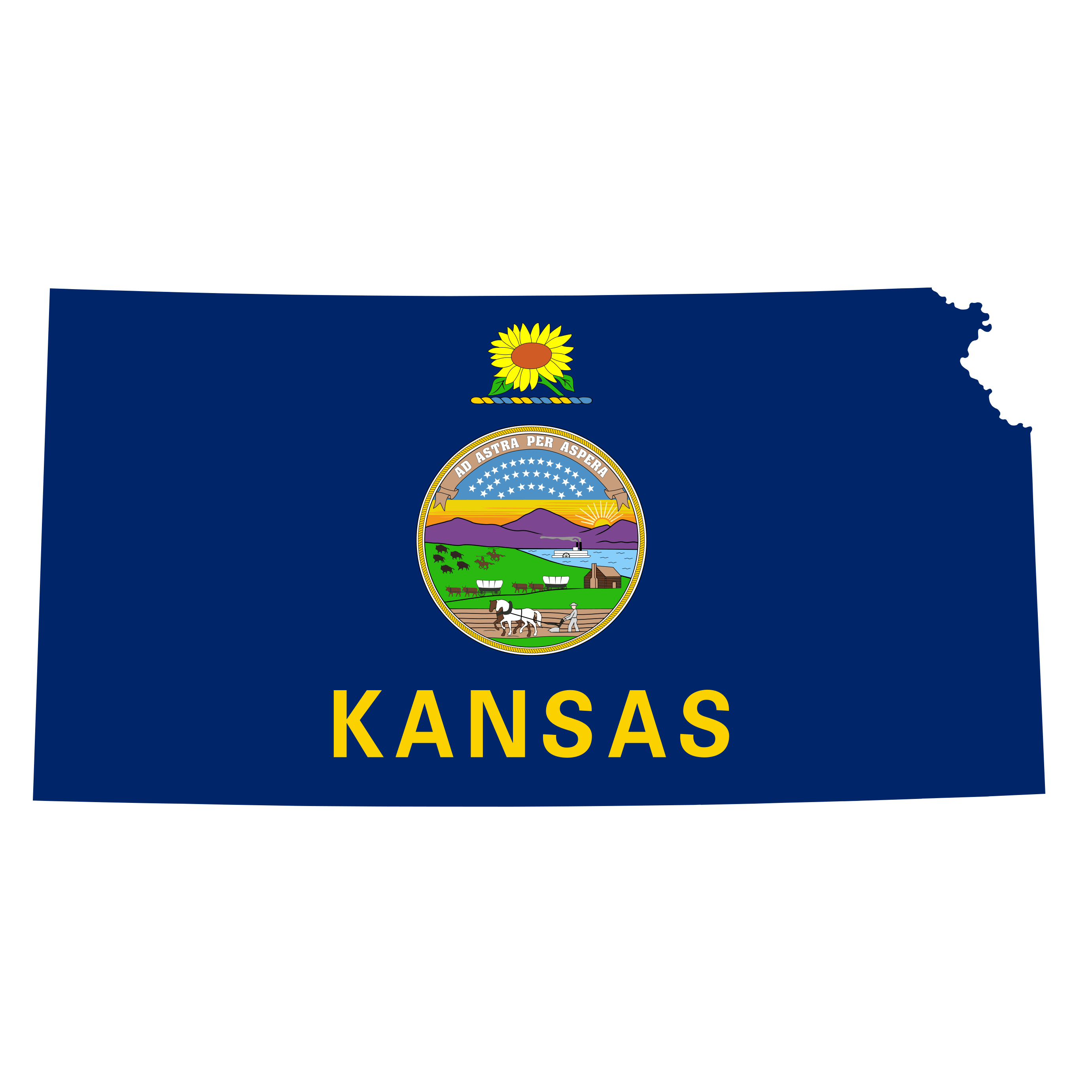
Will Republicans win the Senate race in Kansas?
$

Intro
This market tracks which party will win the 2026 U.S. Senate race in Kansas. Currently, the consensus probability favors a Republican win at 63.0%, while Democrats are at 38.0%. This aggregated view combines data from Kalshi and Polymarket, and will resolve according to the winner of the election – inclusive of any run-offs – as reported by the Associated Press, Fox News, and NBC, or ultimately by official certification. Traders should watch the results following the election on January 4, 2027, as this date represents the expected timeframe for resolution.
PredictionHero - Resolution Divergence Alerts (RDA)
Divergence Detected
Issue: Polymarket resolves based on election calls from news sources, while Kalshi resolves based on the swearing-in of the Senator.Hero tip: Consider the possibility of a delayed or contested election result. Kalshi's resolution may lag Polymarket's if certification is delayed.Critical divergence points:
- Polymarket: Resolves based on the winner of the election as called by major news outlets (AP, Fox News, NBC), with a fallback to official certification. Focuses on the election result itself.
- Kalshi: Resolves based on whether a representative of a party is sworn into office. Focuses on the act of taking office, not the initial election result.
Polymarket
This market will resolve according to the winner of the 2026 midterm Kansas U.S. Senate election, inclusive of any run-offs. A candidate shall be considered to represent a party in the event that he or she is the nominee of the party in question. Candidates other than the Democratic or Republican nominee (e.g., Greens, Libertarian, independent) may be added at a later date. Candidates who run as independents will not be encompassed by the “Democrat” or “Republican” options regardless of any affiliation they may have with the party. The candidates may be named in the contract for the convenience of traders. In the event that any named candidate is replaced as the nominee of their respective party prior to election day, the name in the contract will be updated and the market will resolve based on the replacement nominee of the party. The resolution source for this market is the Associated Press, Fox News, and NBC. This market will resolve once all three sources call the race for the same candidate. If all three sources haven’t called the race in this state for the same candidate, this market will resolve based on the official certification.
Kalshi
The Kansas Senate market resolves based on the party affiliation of the candidate sworn in as U.S. Senator for the term beginning in 2027. A Republican party representative being sworn in resolves the market to Yes under one outcome, while a Democratic party representative being sworn in resolves it to Yes under another outcome. The resolution depends on the official swearing-in of the elected Senator for the specified term.
Frequently asked questions
Prediction market odds often offer a different perspective than traditional polling averages. While polls capture stated preferences, this market reflects what people are willing to *risk* on a particular outcome. This can lead to divergences, particularly when considering factors like voter turnout or hidden biases in polling data. Prediction markets have historically been more accurate than polls in forecasting election results, though both provide valuable information for understanding the dynamics of the Kansas Senate election. It’s important to consider both sources when forming an informed opinion.
Prices on Polymarket and Kalshi may differ due to several factors. Each platform has its own user base, trading rules, and liquidity levels. Polymarket and Kalshi can show different implied probabilities for the same outcome because of liquidity, fee structure, participant mix, and how each venue defines the contract. Different risk appetites and information access among traders on each platform can also contribute to price discrepancies. Currently, Polymarket currently favors Will the Republicans win the Kansas Senate race in 2026? at 63.5%, while Kalshi leans toward Will Republicans win the Senate race in Kansas? at 64.0%. These differences highlight the dynamic nature of prediction markets and the importance of aggregating data across multiple sources.
This market resolves around Jan 4, 2027, with the outcome confirmed once the event is verifiable from credible public reporting. The winner of the Kansas Senate election, as declared by official election results, will determine the outcome. The market will settle based on which candidate receives the majority of votes and is officially certified as the winner by the relevant election authorities. This ensures a transparent and objective resolution process for this market.
Several events could significantly impact this market. Major endorsements, significant fundraising announcements, or unexpected developments in the candidates’ campaigns could all shift expectations. Polling data releases, debates, and any controversies surrounding the candidates are also likely to influence trading activity. Changes in the national political landscape or economic conditions could also indirectly affect the market. Monitoring these factors will be crucial for understanding movements in the odds for the Kansas Senate election.


