TOTAL VOLUME:
$147.1b
24H VOL:
$114,507,511
24H TRANSACTIONS:
2,782,936,628
OPEN INTEREST:
$1,734,271,890
505,510
Markets across
37,522
events
MATCHED EVENTS:
2,851
PLATFORM COVERAGE:
5
Polymarket:
38%
VS.
Kalshi:
62%
25-29
- Polymarket
25-29 - Polymarket
1W
News
Positive
Negative
Neutral
Hover marker for details
Vol.
·
Resolved Oct 14, 2026
Latest in Transportation

Closed: Oct 14, 10:47 AM EST

Polymarket
Description
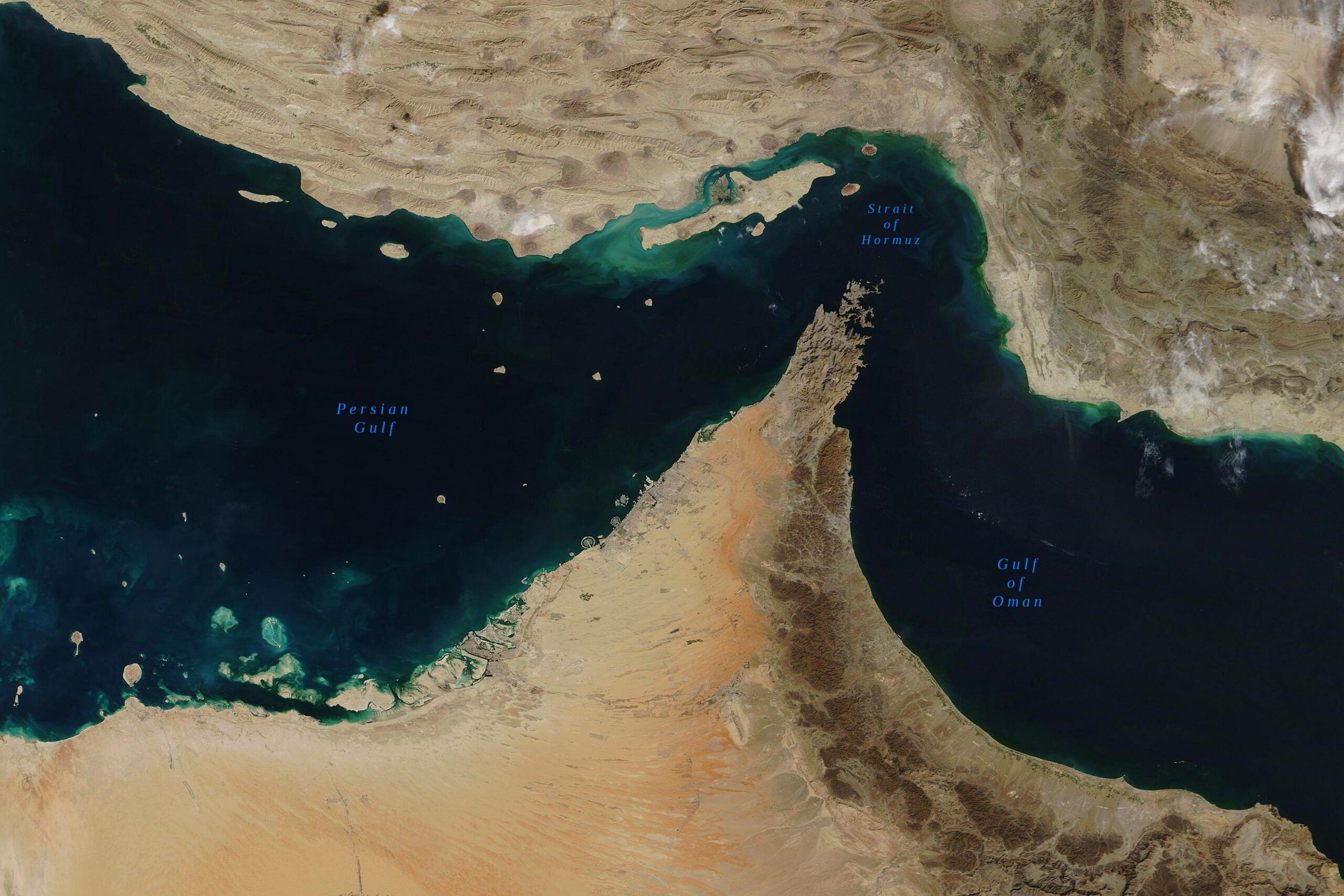
This market will resolve according to the total number of transit calls that IMF Portwatch reports for the Strait of Hormuz for all days from October 5, 2026, through October 11, 2026, inclusive. Transit calls include container, dry bulk, roll-on/roll-off, general cargo, and tanker ships. Ships not reported by IMF Portwatch will not be considered. This market will resolve as soon as all relevant data has been published. If the relevant data is not published within 14 calendar days of the specified date, this market will resolve based on the most recent data published up to that point. In case of obvious data integrity issues (i.e., erroneous data), the market may remain open until the end of the third calendar day (ET) after the date on which such data is first released to allow for corrections. Data integrity issues refer only to clerical or other similar errors in the underlying data, and do not include cases where IMF Portwatch differs from alternative sources. Only revisions to previously published data points made before all relevant data has been published will be considered. The resolution source for this market will be IMF Portwatch, specifically the transit calls data published for the Strait of Hormuz at https://portwatch.imf.org/pages/cb5856222a5b4105adc6ee7e880a1730, both in the chart and through downloadable files.
Polymarket
This market will resolve according to the total number of transit calls that IMF Portwatch reports for the Strait of Hormuz for all days from October 5, 2026, through October 11, 2026, inclusive. Transit calls include container, dry bulk, roll-on/roll-off, general cargo, and tanker ships. Ships not reported by IMF Portwatch will not be considered. This market will resolve as soon as all relevant data has been published. If the relevant data is not published within 14 calendar days of the specified date, this market will resolve based on the most recent data published up to that point. In case of obvious data integrity issues (i.e., erroneous data), the market may remain open until the end of the third calendar day (ET) after the date on which such data is first released to allow for corrections. Data integrity issues refer only to clerical or other similar errors in the underlying data, and do not include cases where IMF Portwatch differs from alternative sources. Only revisions to previously published data points made before all relevant data has been published will be considered. The resolution source for this market will be IMF Portwatch, specifically the transit calls data published for the Strait of Hormuz at https://portwatch.imf.org/pages/cb5856222a5b4105adc6ee7e880a1730, both in the chart and through downloadable files.
Frequently asked questions
Currently, there are no directly comparable sportsbook odds available for this specific event – the number of ships transiting the Strait of Hormuz. This market represents a unique prediction based on geopolitical factors and shipping data, which isn’t typically offered by traditional sportsbooks. However, it’s possible to compare the implied probability from this market to expert forecasts or analyses from maritime intelligence firms, which often provide estimates on shipping traffic through this critical waterway. This offers a different perspective than typical betting scenarios.
On Polymarket, this market is priced through a continuous auction mechanism, where traders buy and sell shares representing their belief in different outcomes. The price of a share directly reflects the probability of that outcome occurring, as determined by supply and demand. On Polymarket, prices reflect that venue's order book, liquidity, and how traders price the outcome right now. As more traders buy shares in a particular outcome, its price increases, indicating a higher perceived likelihood. Conversely, selling pressure lowers the price. This dynamic pricing ensures the market reflects the collective wisdom of participants.
This market resolves around Oct 12, 2026, with the outcome confirmed once the event is verifiable from credible public reporting. The final number of ships transiting the Strait of Hormuz during the specified week will be sourced from publicly available maritime tracking data. This data will be assessed to determine which outcome aligns with the actual number of transits, establishing the result of this market. The resolution will be based on verifiable data, ensuring a transparent and objective outcome.
Several factors could significantly influence this market. Geopolitical events, such as increased tensions in the region or disruptions to oil production, could impact shipping traffic. Changes in global oil prices or demand could also affect the number of tankers passing through the Strait of Hormuz. Unexpected weather events or maritime incidents, like piracy or accidents, could temporarily halt or slow down transit. Any major news related to these areas is likely to cause shifts in trading activity and, therefore, the odds in this market.


