TOTAL VOLUME:
$134.1b
24H VOL:
$133,388,117
24H TRANSACTIONS:
2,388,728,490
OPEN INTEREST:
$1,436,095,462
405,232
Markets across
30,526
events
MATCHED EVENTS:
2,693
PLATFORM COVERAGE:
5
Polymarket:
39%
VS.
Kalshi:
61%
25-49
- Polymarket
25-49 - Polymarket
1W
News
Positive
Negative
Neutral
Hover marker for details
Vol.
·
Resolved Jun 9, 2026
Closed: May 31, 8:00 PM EST

Polymarket
Intro
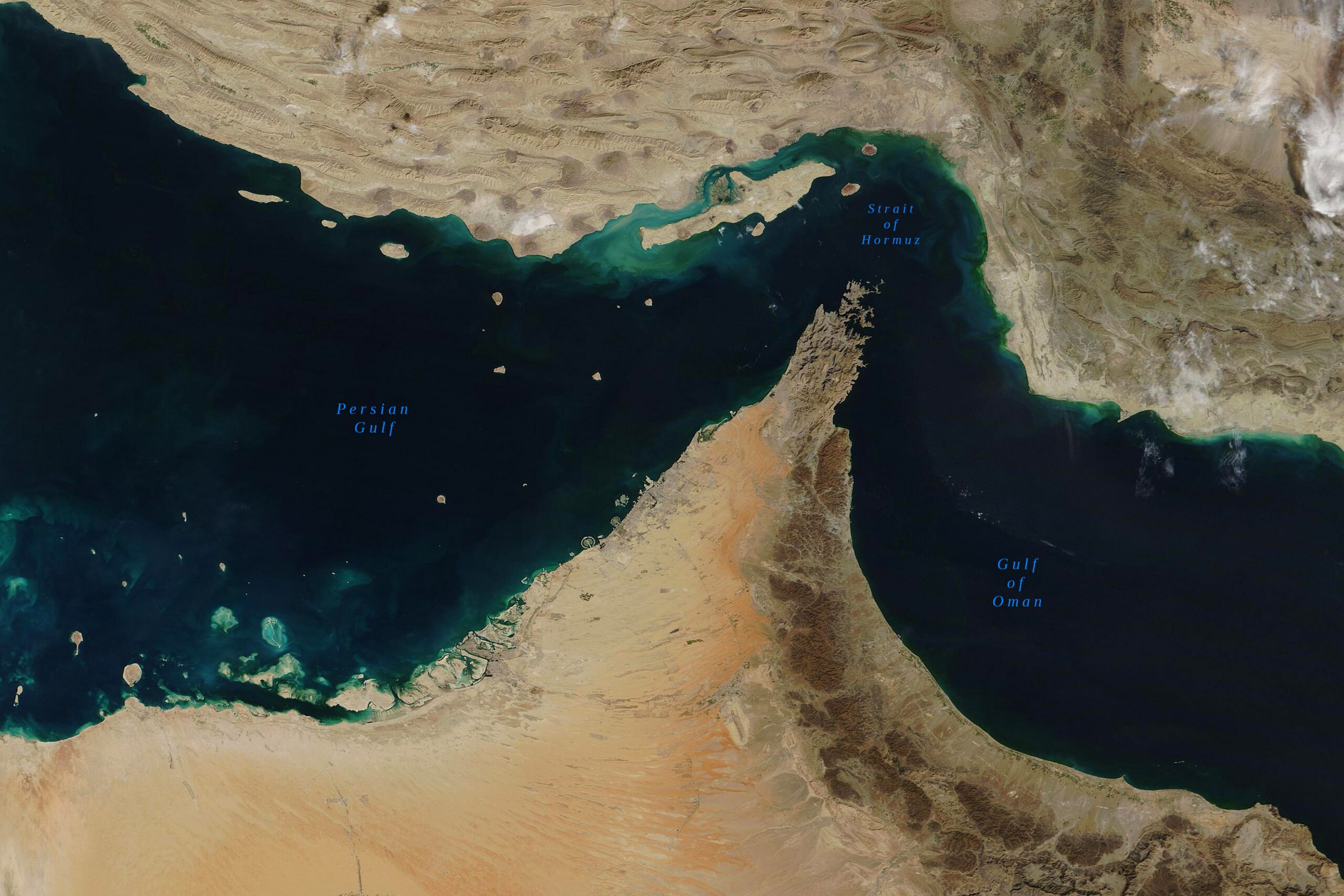
This market tracks the number of commercial ships transiting the Strait of Hormuz during the week of May 25 through June 1, 2026. On Polymarket, the leading outcome—that 25 to 49 ships will pass through during this period—stands at 58.5%, while fewer than 25 transits is priced at 20.5%. Resolution will be determined by IMF Portwatch's finalized transit calls data for container, dry bulk, roll-on/roll-off, general cargo, and tanker vessels. Watch for IMF Portwatch's data release for June 1, 2026, as finalization of that final day's figures will trigger market resolution.
Frequently asked questions
Prediction market odds reflect aggregated trader expectations rather than single-point analyst estimates. While traditional shipping analysts may publish monthly or quarterly transit forecasts based on vessel schedules and geopolitical risk, prediction markets like this one price real-time uncertainty across a specific week. Market odds incorporate breaking news, sanctions changes, and port congestion faster than typical analyst reports. Comparing the market probability to consensus shipping forecasts reveals whether traders are pricing in more or less disruption than the baseline analyst view, offering a dynamic alternative to static published estimates.
The market resolves on Jun 1, 2026, after the week of May 25 concludes. Resolution is determined by the actual number of ships transiting the Strait of Hormuz during that period, as reported by authoritative maritime sources. The outcome hinges on whether the final count falls below or meets/exceeds the 25-ship threshold. Factors influencing the count include regional geopolitical events, port availability, weather conditions, and global oil demand. Traders should monitor shipping databases and official maritime reports in the days leading up to and following the May 25–June 1 window.
Key catalysts include geopolitical escalation or de-escalation in the Persian Gulf, which directly affects transit risk premiums and vessel routing decisions. Announcements of new sanctions or diplomatic breakthroughs can shift shipping patterns overnight. Oil price movements and global demand shocks alter the economic incentive to route through Hormuz versus longer alternatives. Port congestion at Ras Tanura or Fujairah affects queuing and transit timing. Weather disruptions or accidents in the strait can temporarily reduce throughput. Tanker availability and charter rates also influence whether vessels attempt the passage. Real-time tracking of AIS data and shipping news will provide early signals of volume changes.

'%3e%3ccircle%20cx='26'%20cy='26'%20r='26'%20fill='%23000'/%3e%3cpath%20fill='%23fff'%20d='M27.6629%2037.9855L31.004%2037.6925L32.1989%2051.3689C33.72%2051.027%2035.2073%2050.5486%2036.6425%2049.9395V37.8085H40.7697V47.7178C42.4942%2046.577%2044.0775%2045.236%2045.4865%2043.7226L46.0172%2037.6591L49.5548%2037.9678C51.5707%2034.0725%2052.5697%2029.7306%2052.4591%2025.3456C52.3484%2020.9605%2051.1317%2016.6746%2048.9219%2012.886L48.7903%2014.392L44.6631%2014.0303L45.1937%207.97067C43.8569%206.58147%2042.3706%205.34447%2040.7619%204.28222V14.2406H36.6347V2.06247C34.8743%201.313%2033.0358%200.762345%2031.1533%200.420753L32.3463%2014.0637L29.0052%2014.3566L27.7513%200.0314647C27.3308%200.0118035%2026.9062%200%2026.4817%200C24.8262%204.44017e-06%2023.1745%200.157349%2021.5487%200.469906L23.9072%2013.8985L21.364%2014.3468L19.0253%201.0853C16.8454%201.73668%2014.7611%202.67345%2012.8266%203.87129L15.4601%2013.7019L13.4634%2014.2387L11.0146%205.09226C9.12509%206.49278%207.43337%208.1422%205.98527%209.99577L7.26077%2013.5014L5.80446%2014.0322L4.88665%2011.5097C3.41845%2013.6953%202.29182%2016.092%201.54558%2018.6172L1.95829%2018.4678L7.2647%2033.0387L5.80839%2033.5696L1.06407%2020.5303C-0.0225105%2025.6016%200.430464%2030.8821%202.36486%2035.6941C4.29926%2040.5061%207.62683%2044.6301%2011.9206%2047.5369L9.45605%2038.3355L11.4528%2037.7987L14.4677%2049.0567C16.5333%2050.1354%2018.7355%2050.9291%2021.0142%2051.4161L18.6892%2038.1605L21.2343%2037.7122L23.7283%2051.8683C24.6462%2051.9654%2025.5686%2052.014%2026.4916%2052.0138C27.2954%2052.0138%2028.0933%2051.9764%2028.8795%2051.9037L27.6629%2037.9855Z'%20/%3e%3cpath%20fill='%23000'%20d='M46.0368%2018.1276L50.1542%2018.4875L48.804%2033.9372L44.6768%2033.5774L46.0368%2018.1276ZM36.6484%2018.279H40.7756V33.7858H36.6484V18.279ZM31.0099%2018.1611L32.3601%2033.6109L29.019%2033.9038L27.6668%2018.454L31.0099%2018.1611ZM13.481%2033.7898L9.4698%2018.8099L11.4666%2018.2751L15.4778%2033.2452L13.481%2033.7898ZM21.3817%2033.892L18.6892%2018.6211L21.2343%2018.1729L23.9248%2033.4418L21.3817%2033.892Z'%20/%3e%3c/g%3e%3c/svg%3e)

%20scale(0.82)%20translate(-12.5%20-12.5)'%3e%3cpath%20fill='%23000'%20fill-rule='evenodd'%20d='M9.619%2012.69h12.995a1.382%201.382%200%200%200%200-2.76h-3.932l5.298-5.405.032-.032L22.08%202.56h-5.255V1.38c0-.76-.619-1.38-1.38-1.38H9.81c-.76%200-1.38.62-1.38%201.38V11.5c0%20.657.534%201.19%201.19%201.19m12.995-2.186h-5.3l5.89-6.01-1.139-1.139-5.813%205.933V1.38a.806.806%200%200%200-.805-.806.806.806%200%200%200-.805.806v9.545c0%20.656.533%201.19%201.189%201.19h6.783a.806.806%200%200%200%200-1.612'%20clip-rule='evenodd'/%3e%3cpath%20fill='%23000'%20fill-rule='evenodd'%20d='M14.393%2011.31H1.398a1.382%201.382%200%200%200%200%202.76H5.33L.032%2019.476%200%2019.507l1.931%201.933h5.255v1.18c0%20.76.619%201.38%201.379%201.38h5.638c.76%200%201.38-.62%201.38-1.38V12.5c0-.657-.534-1.19-1.19-1.19m.293%2011.31a.8.8%200%200%201-.788.805.797.797%200%200%201-.787-.805v-7.904l-5.69%205.928-1.113-1.139%205.764-6.005H6.884a.797.797%200%200%201-.787-.806c0-.444.353-.806.787-.806h6.638c.642%200%201.164.534%201.164%201.19z'%20clip-rule='evenodd'/%3e%3c/g%3e%3c/svg%3e)