TOTAL VOLUME:
$134b
24H VOL:
$107,351,958
24H TRANSACTIONS:
2,388,728,490
OPEN INTEREST:
$1,416,970,024
400,720
Markets across
30,097
events
MATCHED EVENTS:
2,633
PLATFORM COVERAGE:
5
Polymarket:
39%
VS.
Kalshi:
61%
Above 5.9%
- Kalshi
Above 5.9% - Kalshi
1W
News
Positive
Negative
Neutral
Hover marker for details
Vol.
·
Resolved Sep 4, 2026
Latest in Elections


Closed: Sep 4, 9:59 AM EST

Kalshi
Description
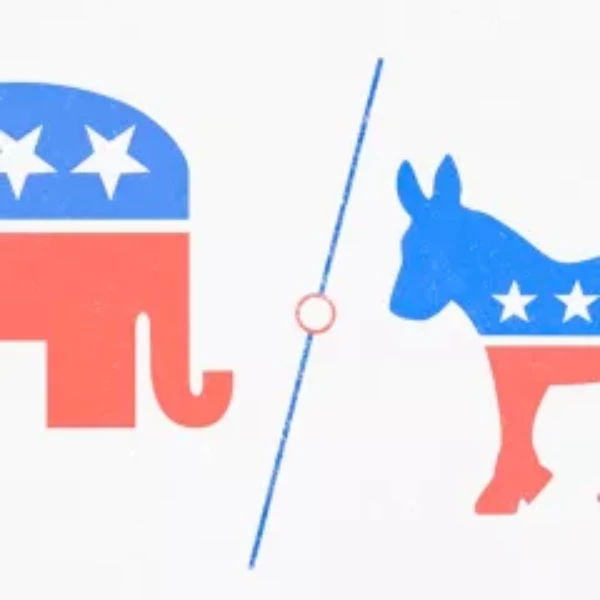
This event monitors the relative performance of major political parties in congressional elections over a defined week. It assesses whether the Democratic Party's advantage over the Republican Party, based on VoteHub's time-weighted average, exceeds a specific margin by the conclusion of the period. The result indicates party strength in anticipated voter preferences.
Kalshi
If the VoteHub 2026 generic ballot margin (D − R, time-weighted) is above 5.9% at 10:00 AM ET on Sep 4, 2026, then the market resolves to Yes.
Frequently asked questions
This market often reflects polling averages with slight adjustments for trader sentiment and recent developments. If polls show Democrats ahead, this market usually prices a higher probability of the "Up" outcome. However, prediction markets can diverge due to betting patterns, perceived biases in polls, or emerging events — making this market a complementary signal to traditional surveys.
On Kalshi, prices reflect that venue's order book, liquidity, and how traders price the outcome right now. On Kalshi, traders directly set prices through buying and selling contracts, which determines the current implied probability for each outcome. The market price adjusts continuously based on order flow, open interest, and overall volume of $7,251. This mechanism captures real-time trader expectations, with liquidity often influencing how sharply prices move.
This market resolves around Sep 4, 2026, with the outcome confirmed once the event is verifiable from credible public reporting. The final result will be determined by calculating the generic ballot poll average over the specified dates and comparing it to the defined threshold — a process that typically relies on aggregated survey data from reputable firms.
