TOTAL VOLUME:
$147.3b
24H VOL:
$172,964,198
24H TRANSACTIONS:
2,798,566,680
OPEN INTEREST:
$1,800,387,182
518,213
Markets across
38,398
events
MATCHED EVENTS:
2,848
PLATFORM COVERAGE:
5
Polymarket:
38%
VS.
Kalshi:
62%
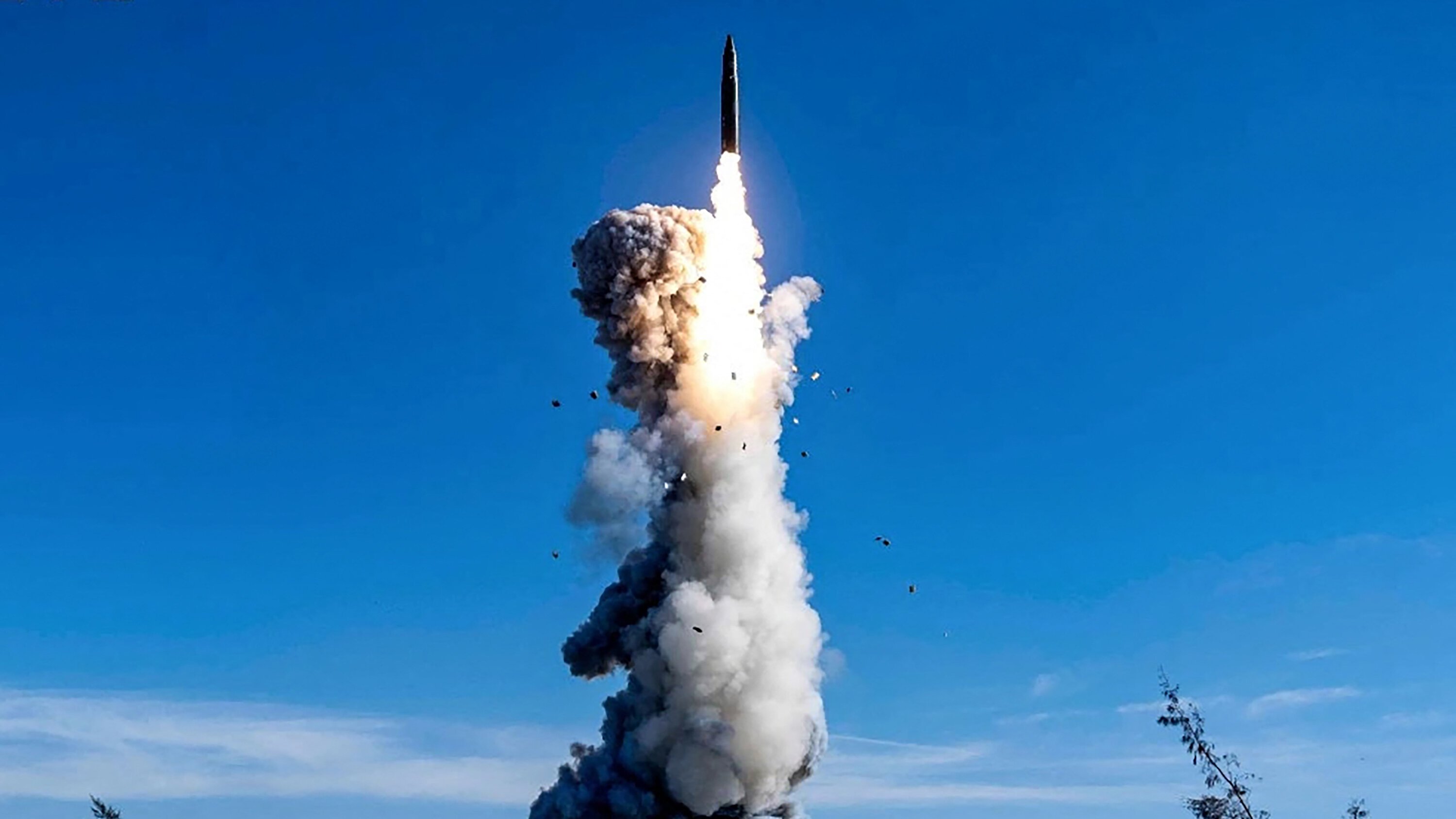
China ballistic missile launch by December 31?
- Polymarket
China ballistic missile launch by December 31? - Polymarket
1W
News
Positive
Negative
Neutral
Hover marker for details
Vol.
·
Resolves Dec 31, 2026
Latest in World



China ballistic missile launch by December 31?
$

China ballistic missile launch by December 31?
Description
This market will resolve to "Yes" if China launches a ballistic missile between market creation and December 31, 2026, 11:59 PM ET. Otherwise, this market will resolve to "No". Only launches of ballistic missiles, including intercontinental ballistic missiles (ICBMs), submarine-launched ballistic missiles (SLBMs), and ballistic anti-ship missiles, will qualify toward a “Yes” resolution. Launches of other systems such as cruise missiles, SAMs, MLRS/rocket artillery, torpedoes, etc., will not qualify toward a "Yes" resolution. The market resolution will be based on publicly available information from reliable sources such as official government statements, reports from international monitoring bodies like the United Nations, or reports from reputable international media.
Polymarket
This market will resolve to "Yes" if China launches a ballistic missile between market creation and December 31, 2026, 11:59 PM ET. Otherwise, this market will resolve to "No". Only launches of ballistic missiles, including intercontinental ballistic missiles (ICBMs), submarine-launched ballistic missiles (SLBMs), and ballistic anti-ship missiles, will qualify toward a “Yes” resolution. Launches of other systems such as cruise missiles, SAMs, MLRS/rocket artillery, torpedoes, etc., will not qualify toward a "Yes" resolution. The market resolution will be based on publicly available information from reliable sources such as official government statements, reports from international monitoring bodies like the United Nations, or reports from reputable international media.
Frequently asked questions
On Polymarket, this market is priced using a continuous double auction, meaning traders can buy and sell shares representing their belief about whether China will launch a ballistic missile by the specified date. The price of these shares fluctuates based on supply and demand, ultimately reflecting the market's consensus probability. On Polymarket, prices reflect that venue's order book, liquidity, and how traders price the outcome right now. The price moves as traders react to news, geopolitical developments, and their own analysis, creating a dynamic and real-time assessment of the event’s likelihood. Higher demand for shares increases the price, indicating growing confidence in a launch, while increased selling pressure lowers the price.
This market resolves around Jan 1, 2027, with the outcome confirmed once the event is verifiable from credible public reporting. Resolution will depend on whether a confirmed ballistic missile launch originating from China occurs before that date. Any launch, regardless of its target or success, will trigger a positive resolution. The market will consider reports from reputable news agencies and governmental sources to determine if a launch has taken place. The focus is solely on the occurrence of a launch, not its specifics or consequences.
Several factors could significantly impact this market. Increased tensions in the South China Sea, heightened rhetoric from Chinese officials, or major military exercises could all increase the perceived likelihood of a launch, driving up prices. Conversely, diplomatic breakthroughs, de-escalation efforts, or signals of restraint from China could lower prices. Unexpected political developments within China, such as leadership changes or internal power struggles, could also introduce uncertainty and volatility. Any credible reports of preparations for a launch, or conversely, evidence suggesting a pullback from military readiness, would likely move this market.


'%3e%3ccircle%20cx='26'%20cy='26'%20r='26'%20fill='%23000'/%3e%3cpath%20fill='%23fff'%20d='M27.6629%2037.9855L31.004%2037.6925L32.1989%2051.3689C33.72%2051.027%2035.2073%2050.5486%2036.6425%2049.9395V37.8085H40.7697V47.7178C42.4942%2046.577%2044.0775%2045.236%2045.4865%2043.7226L46.0172%2037.6591L49.5548%2037.9678C51.5707%2034.0725%2052.5697%2029.7306%2052.4591%2025.3456C52.3484%2020.9605%2051.1317%2016.6746%2048.9219%2012.886L48.7903%2014.392L44.6631%2014.0303L45.1937%207.97067C43.8569%206.58147%2042.3706%205.34447%2040.7619%204.28222V14.2406H36.6347V2.06247C34.8743%201.313%2033.0358%200.762345%2031.1533%200.420753L32.3463%2014.0637L29.0052%2014.3566L27.7513%200.0314647C27.3308%200.0118035%2026.9062%200%2026.4817%200C24.8262%204.44017e-06%2023.1745%200.157349%2021.5487%200.469906L23.9072%2013.8985L21.364%2014.3468L19.0253%201.0853C16.8454%201.73668%2014.7611%202.67345%2012.8266%203.87129L15.4601%2013.7019L13.4634%2014.2387L11.0146%205.09226C9.12509%206.49278%207.43337%208.1422%205.98527%209.99577L7.26077%2013.5014L5.80446%2014.0322L4.88665%2011.5097C3.41845%2013.6953%202.29182%2016.092%201.54558%2018.6172L1.95829%2018.4678L7.2647%2033.0387L5.80839%2033.5696L1.06407%2020.5303C-0.0225105%2025.6016%200.430464%2030.8821%202.36486%2035.6941C4.29926%2040.5061%207.62683%2044.6301%2011.9206%2047.5369L9.45605%2038.3355L11.4528%2037.7987L14.4677%2049.0567C16.5333%2050.1354%2018.7355%2050.9291%2021.0142%2051.4161L18.6892%2038.1605L21.2343%2037.7122L23.7283%2051.8683C24.6462%2051.9654%2025.5686%2052.014%2026.4916%2052.0138C27.2954%2052.0138%2028.0933%2051.9764%2028.8795%2051.9037L27.6629%2037.9855Z'%20/%3e%3cpath%20fill='%23000'%20d='M46.0368%2018.1276L50.1542%2018.4875L48.804%2033.9372L44.6768%2033.5774L46.0368%2018.1276ZM36.6484%2018.279H40.7756V33.7858H36.6484V18.279ZM31.0099%2018.1611L32.3601%2033.6109L29.019%2033.9038L27.6668%2018.454L31.0099%2018.1611ZM13.481%2033.7898L9.4698%2018.8099L11.4666%2018.2751L15.4778%2033.2452L13.481%2033.7898ZM21.3817%2033.892L18.6892%2018.6211L21.2343%2018.1729L23.9248%2033.4418L21.3817%2033.892Z'%20/%3e%3c/g%3e%3c/svg%3e)
%20scale(0.82)%20translate(-12.5%20-12.5)'%3e%3cpath%20fill='%23000'%20fill-rule='evenodd'%20d='M9.619%2012.69h12.995a1.382%201.382%200%200%200%200-2.76h-3.932l5.298-5.405.032-.032L22.08%202.56h-5.255V1.38c0-.76-.619-1.38-1.38-1.38H9.81c-.76%200-1.38.62-1.38%201.38V11.5c0%20.657.534%201.19%201.19%201.19m12.995-2.186h-5.3l5.89-6.01-1.139-1.139-5.813%205.933V1.38a.806.806%200%200%200-.805-.806.806.806%200%200%200-.805.806v9.545c0%20.656.533%201.19%201.189%201.19h6.783a.806.806%200%200%200%200-1.612'%20clip-rule='evenodd'/%3e%3cpath%20fill='%23000'%20fill-rule='evenodd'%20d='M14.393%2011.31H1.398a1.382%201.382%200%200%200%200%202.76H5.33L.032%2019.476%200%2019.507l1.931%201.933h5.255v1.18c0%20.76.619%201.38%201.379%201.38h5.638c.76%200%201.38-.62%201.38-1.38V12.5c0-.657-.534-1.19-1.19-1.19m.293%2011.31a.8.8%200%200%201-.788.805.797.797%200%200%201-.787-.805v-7.904l-5.69%205.928-1.113-1.139%205.764-6.005H6.884a.797.797%200%200%201-.787-.806c0-.444.353-.806.787-.806h6.638c.642%200%201.164.534%201.164%201.19z'%20clip-rule='evenodd'/%3e%3c/g%3e%3c/svg%3e)