TOTAL VOLUME:
$147.3b
24H VOL:
$172,964,198
24H TRANSACTIONS:
2,798,566,680
OPEN INTEREST:
$1,800,387,182
518,213
Markets across
38,398
events
MATCHED EVENTS:
2,848
PLATFORM COVERAGE:
5
Polymarket:
38%
VS.
Kalshi:
62%

December 31, 2027
- Polymarket
December 31, 2027 - Polymarket
1W
News
Positive
Negative
Neutral
Hover marker for details
Vol.
·
Resolves Dec 31, 2027
Latest in World



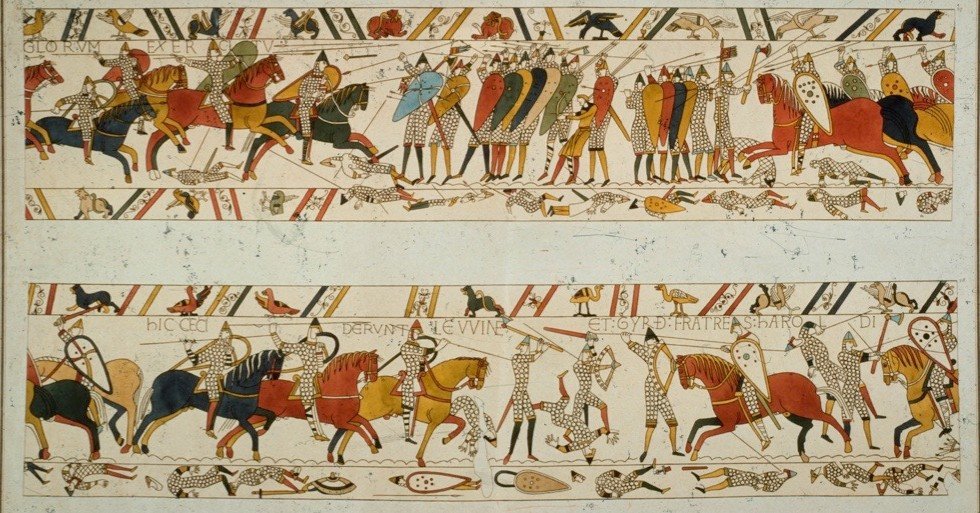
Will the Bayeux Tapestry be back in France by December 31, 2027?
$
Description
If the Bayeux Tapestry enters France between market creation and the specified date, 11:59 PM ET, this market will resolve to "Yes". Otherwise, this market will resolve to "No". For the purpose of this market, entrance is defined as any portion of the Bayeux Tapestry physically entering the terrestrial territory of France. Whether or not it enters French airspace or maritime territory during the timeframe of this market will have no bearing on a positive resolution. This market will remain open for seven days after the specified date to allow time for confirmation of the Tapestry's entrance into France. The primary resolution source for this market will be a consensus of credible reporting.
Polymarket
If the Bayeux Tapestry enters France between market creation and the specified date, 11:59 PM ET, this market will resolve to "Yes". Otherwise, this market will resolve to "No". For the purpose of this market, entrance is defined as any portion of the Bayeux Tapestry physically entering the terrestrial territory of France. Whether or not it enters French airspace or maritime territory during the timeframe of this market will have no bearing on a positive resolution. This market will remain open for seven days after the specified date to allow time for confirmation of the Tapestry's entrance into France. The primary resolution source for this market will be a consensus of credible reporting.
Frequently asked questions
Prediction market odds often diverge from traditional analyst forecasts because they reflect real-money incentives and crowd wisdom rather than expert opinion alone. In this market, traders betting on the tapestry's return by the deadline face direct financial consequences for accuracy, which can sharpen their assessments. Analysts and cultural institutions may offer qualitative views on diplomatic prospects, but they typically lack the same skin-in-the-game pressure. Comparing the current odds to public statements from French officials, museum curators, or international heritage organizations can reveal whether the market is pricing in optimism or skepticism that experts have not yet fully articulated.
On Polymarket, this market is priced through an automated market maker that converts trader orders into real-time probabilities. On Polymarket, prices reflect that venue's order book, liquidity, and how traders price the outcome right now. Buyers who believe the tapestry will return by the deadline purchase shares at the current ask price, while sellers short the outcome at the bid. As more capital flows into either side, the price adjusts automatically to reflect the shifting balance of conviction. The spread between bid and ask tightens or widens depending on trading volume and participant confidence, making the current price a live consensus estimate of the event's likelihood.
This market resolves around Jan 1, 2028, with the outcome confirmed once the event is verifiable from credible public reporting. The resolution hinges on whether the Bayeux Tapestry has physically returned to France and is accessible or on display within French territory by that deadline. Official announcements from French cultural authorities, museum records, or international heritage organizations will serve as the basis for determining the final result. Traders should monitor diplomatic negotiations, loan agreements, and any formal statements from the British Museum or French government as the deadline approaches.
Major catalysts include formal diplomatic agreements between France and the British Museum, public statements from French government officials about repatriation efforts, and any announcements regarding temporary or permanent loans. Changes in UK cultural policy or shifts in international heritage law could also shift trader sentiment. Media coverage of negotiations, expert commentary on the likelihood of return, and developments in similar repatriation disputes may influence market pricing. Additionally, any official timeline or commitment from either institution would likely trigger sharp price movement, as would unexpected political or institutional changes that alter the feasibility of the tapestry's return.



