TOTAL VOLUME:
$147.6b
24H VOL:
$156,130,290
24H TRANSACTIONS:
2,799,919,006
OPEN INTEREST:
$1,782,923,786
501,315
Markets across
37,757
events
MATCHED EVENTS:
2,847
PLATFORM COVERAGE:
5
Polymarket:
38%
VS.
Kalshi:
62%


December 31
all
2 markets
Polymarket
Limitless
consensus
News
Positive
Negative
Neutral
Hover marker for details
Vol.
·
Resolves Dec 31, 2026
Latest in Politics



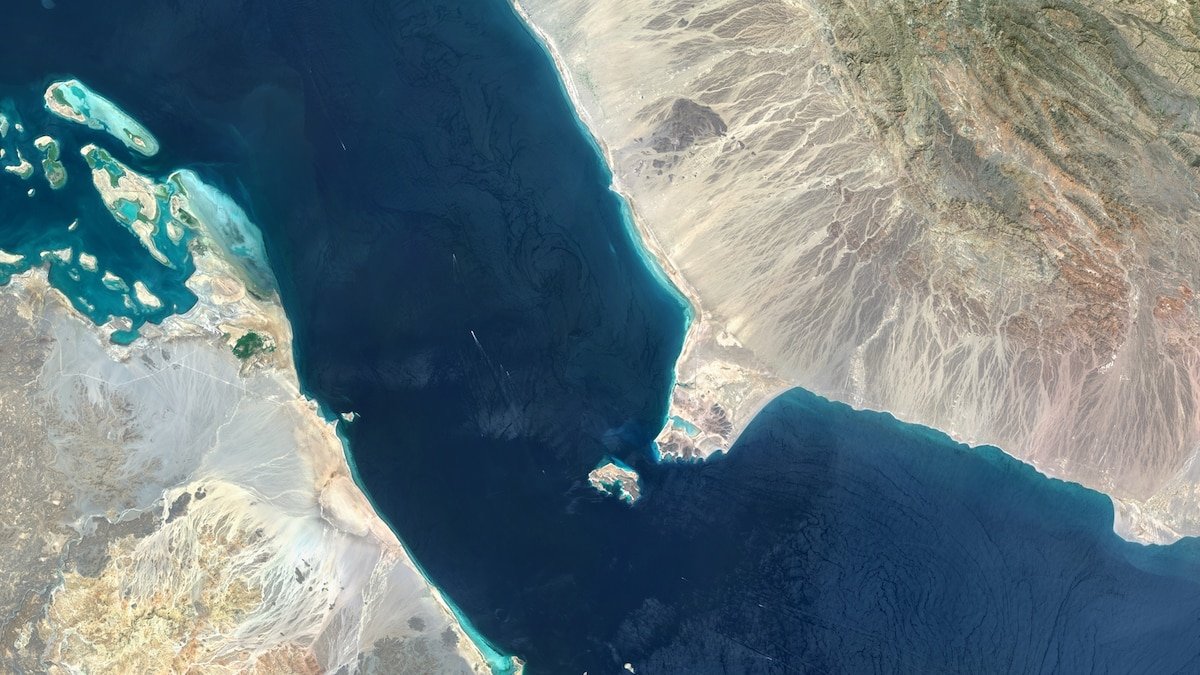
Bab el-Mandeb Strait effectively closed by December 31?
$

Intro
This market tracks the probability of the Bab el-Mandeb Strait being effectively closed to maritime traffic, as defined by a decline in ship transit calls reported by the IMF PortWatch. Currently, the consensus probability of the strait being effectively closed by December 31st is 17.5%, while the probability of closure by November 30th stands at 10.5%. This aggregated view combines data from Polymarket and Limitless, with resolution determined by data from IMF PortWatch (https://portwatch.imf.org/pages/6b1814d64903461b98144a6cc25eb79c). Traders should monitor ship arrival data as of January 1, 2027, to see if the 7-day moving average falls to 10 or below, triggering a ‘Yes’ resolution.
PredictionHero - Resolution Divergence Alerts (RDA)
Unified Resolution Criteria (Consistent across platforms)
Both Polymarket and Limitless markets use the same resolution source (IMF PortWatch) and the same criteria (7-day moving average of ship arrivals <= 10) to determine closure of the Bab el-Mandeb Strait.Primary resolution logic: IMF PortWatch (https://portwatch.imf.org/pages/6b1814d64903461b98144a6cc25eb79c)Core resolution logic:
- Resolution is based on the IMF PortWatch 7-day moving average of 'Arrivals of Ships' for the Bab el-Mandeb Strait.
- Markets resolve 'Yes' if the 7-day moving average is less than or equal to 10 at any point before the resolution date.
- Markets resolve 'No' if the 7-day moving average never falls to 10 or below before the resolution date.
- Resolution occurs upon reaching the specified date with available data, or 14 days after if data is missing.
Edge cases & clarifications:
- Data Revisions: Revisions to previously published data points *before* the resolution date are considered. Revisions *after* the resolution date are ignored.
- Missing Data: If data is not published for the resolution date within 14 calendar days (ET), the market resolves based on the data available up to that point.
Polymarket
This market will resolve to “Yes” if IMF PortWatch publishes a 7-day moving average of transit calls (“Arrivals of Ships”) for the Bab el-Mandeb Strait less than or equal to 10 for any date between market creation and the listed date. Otherwise, this market will resolve to “No”. This market will resolve as soon as IMF PortWatch publishes a 7-day moving average of transit calls for the Bab el-Mandeb Strait equal to or below 10, or once data has been published for the listed date and no such value has been published. If no data has been published for the listed date within 14 calendar days (ET) after that date, this market will resolve based on the data published up to that point. Revisions to previously published data points made before data has been published for the listed date will be considered; however, they will not disqualify a previously published data point from qualifying. Revisions made after data has been published for the listed date will not be considered. The resolution source for this market will be IMF PortWatch, specifically the “Arrivals of Ships” data published for the Bab el-Mandeb Strait at https://portwatch.imf.org/pages/cb5856222a5b4105adc6ee7e880a1730 , including both the chart and downloadable files.
Limitless
This market will resolve to “Yes” if IMF PortWatch publishes a 7-day moving average of transit calls (“Arrivals of Ships”) for the Bab el-Mandeb Strait less than or equal to 10 for any date between market creation and the listed date. Otherwise, this market will resolve to “No”. This market will resolve as soon as IMF PortWatch publishes a 7-day moving average of transit calls for the Bab el-Mandeb Strait equal to or below 10, or once data has been published for the listed date and no such value has been published. If no data has been published for the listed date within 14 calendar days (ET) after that date, this market will resolve based on the data published up to that point. Revisions to previously published data points made before data has been published for the listed date will be considered; however, they will not disqualify a previously published data point from qualifying. Revisions made after data has been published for the listed date will not be considered. The resolution source for this market will be IMF PortWatch, specifically the “Arrivals of Ships” data published for the Bab el-Mandeb Strait at https://portwatch.imf.org/pages/6b1814d64903461b98144a6cc25eb79c.
Frequently asked questions
This market resolves around Jan 1, 2027, with the outcome confirmed once the event is verifiable from credible public reporting. The determination of whether the Bab el-Mandeb Strait is effectively closed will be based on widely available evidence of significant disruption to commercial shipping traffic through the strait. This includes, but is not limited to, reports from shipping companies, government agencies, and reputable news organizations. The outcome will be assessed based on the degree of sustained impact on global trade routes.
Several signals could significantly impact this market. Escalations in the conflict in Yemen, direct attacks on commercial vessels, or increased naval presence in the region could all drive up the probability of closure. Conversely, successful diplomatic efforts to de-escalate tensions or the implementation of enhanced security measures could lower the perceived risk. Any major announcements from key stakeholders, such as the Houthis, Saudi Arabia, or the United States, would likely cause a rapid shift in trading activity and price adjustments in this market.


