TOTAL VOLUME:
$147.3b
24H VOL:
$172,964,198
24H TRANSACTIONS:
2,798,566,680
OPEN INTEREST:
$1,800,387,182
518,213
Markets across
38,398
events
MATCHED EVENTS:
2,848
PLATFORM COVERAGE:
5
Polymarket:
38%
VS.
Kalshi:
62%

October 31
- Polymarket
October 31 - Polymarket
1W
News
Positive
Negative
Neutral
Hover marker for details
Vol.
·
Resolves Sep 30, 2026
Latest in World



Time left: 08d:06h:23m
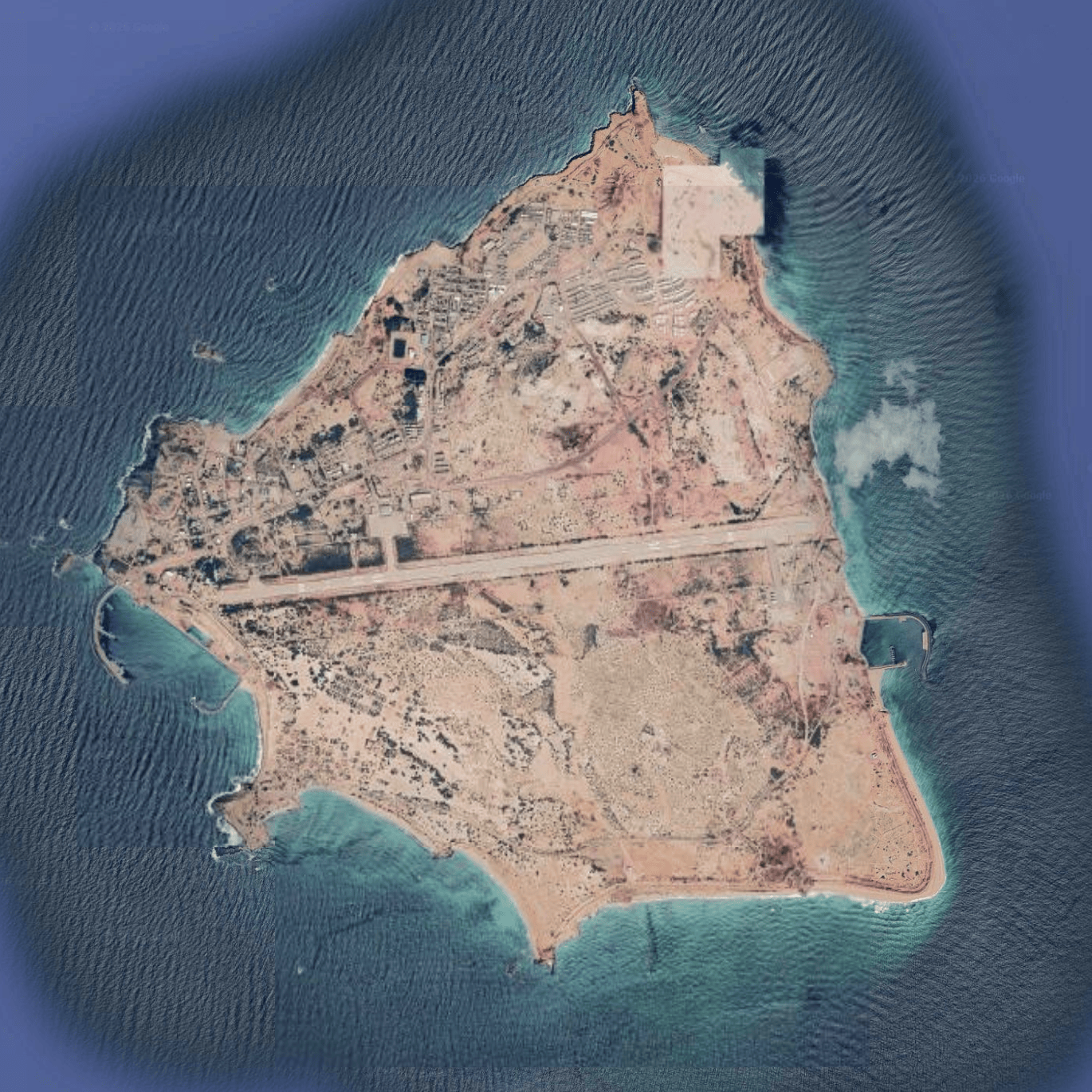
Abu Musa Island no longer under Iranian control by October 31?
$
Description
This market will resolve to "Yes" if Abu Musa Island is no longer under Iranian control by the specified date, 11:59 PM ET. Otherwise, this market will resolve to "No". “No longer under the control of Iran” means that Iran no longer exercises primary governmental or military control over Abu Musa Island, and another state, occupying force, or internationally backed authority has established control over the island. Temporary raids, isolated landings, special operations, bombardment, sabotage, naval presence offshore, or temporary disruption of Iranian activity will not qualify on their own. An announcement, threat, or claim that Iran has lost control will not qualify without actual control being established. If control changes pursuant to a negotiated settlement, ceasefire term, surrender, or transfer agreement, this will qualify only once actual control has been established on the island. If control over Abu Musa Island is contested, unclear, disputed, or not sufficiently established by the resolution date, this will not qualify, and the market will resolve to “No”. The primary resolution source will be official statements from the relevant governments and militaries, along with a consensus of credible reporting.
Polymarket
This market will resolve to "Yes" if Abu Musa Island is no longer under Iranian control by the specified date, 11:59 PM ET. Otherwise, this market will resolve to "No". “No longer under the control of Iran” means that Iran no longer exercises primary governmental or military control over Abu Musa Island, and another state, occupying force, or internationally backed authority has established control over the island. Temporary raids, isolated landings, special operations, bombardment, sabotage, naval presence offshore, or temporary disruption of Iranian activity will not qualify on their own. An announcement, threat, or claim that Iran has lost control will not qualify without actual control being established. If control changes pursuant to a negotiated settlement, ceasefire term, surrender, or transfer agreement, this will qualify only once actual control has been established on the island. If control over Abu Musa Island is contested, unclear, disputed, or not sufficiently established by the resolution date, this will not qualify, and the market will resolve to “No”. The primary resolution source will be official statements from the relevant governments and militaries, along with a consensus of credible reporting.
Frequently asked questions
Prediction market odds reflect real-time aggregated trader expectations, often diverging from traditional analyst forecasts due to different information sets and incentive structures. While analysts may rely on geopolitical models and historical precedent, this market prices in live sentiment from participants with financial stakes in the outcome. Comparing the current odds to published expert assessments can reveal where the crowd sees asymmetric risk or where consensus breaks down. Such gaps sometimes signal emerging consensus or contrarian positioning.
On Polymarket, this market is priced through an automated market maker mechanism, where traders buy and sell shares representing each outcome. On Polymarket, prices reflect that venue's order book, liquidity, and how traders price the outcome right now. The price of each share reflects the collective probability assigned by the market at any moment. As traders adjust their positions based on news and analysis, the odds shift in real time. Liquidity and trading volume influence how quickly prices move and how tight the bid-ask spread remains.
This market resolves around Nov 1, 2026, with the outcome confirmed once the event is verifiable from credible public reporting. The resolution hinges on whether Abu Musa Island remains under Iranian control through that date or transitions to different control. Participants should monitor official statements, international news sources, and diplomatic developments as the deadline approaches. The final determination will be based on widely documented, authoritative evidence of the island's status.
Key catalysts include military developments in the Persian Gulf, diplomatic negotiations between Iran and regional or international actors, and statements from governments claiming or disputing control of the island. Escalations in regional tensions, sanctions announcements, or peace agreements could shift trader sentiment sharply. Media reports on Iranian military presence or withdrawal, international court rulings, or UN statements may also trigger repricing. Traders watch geopolitical risk indices and energy markets for indirect signals about regional stability.


