TOTAL VOLUME:
$154.4b
24H VOL:
$230,589,906
24H TRANSACTIONS:
2,984,028,936
OPEN INTEREST:
$1,885,293,300
410,482
Markets across
40,213
events
MATCHED EVENTS:
4,340
PLATFORM COVERAGE:
5
Polymarket:
37%
VS.
Kalshi:
63%
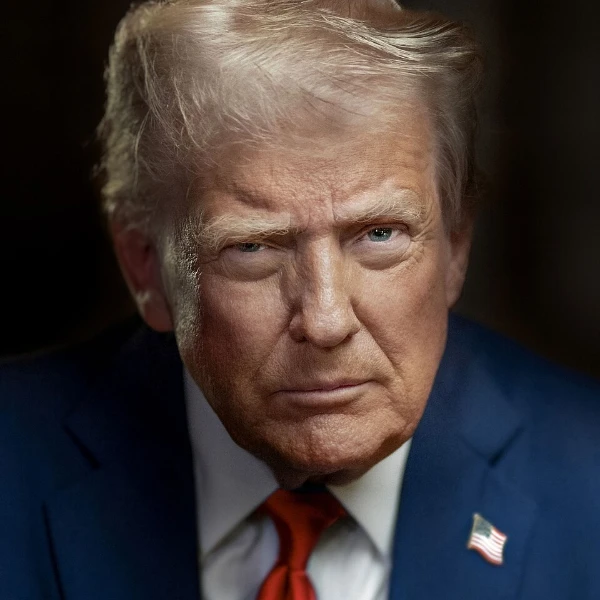
Closed: Oct 23, 9:59 AM EST

Kalshi
Description
This event tracks a political figure's public support as measured by polling data at a specific time. It focuses on whether the candidate's approval ratings meet or exceed a certain threshold, reflecting the public's opinion on their performance. The outcome is determined by the polling average at the designated date and time.
Kalshi
If Donald Trump's VoteHub approval polling average is above 37.4% at 10:00 AM ET on Oct 23, 2026, then the market resolves to Yes.
Frequently asked questions
Currently, prediction market odds often reflect a different perspective than traditional polling averages. Polls capture a snapshot in time, while this market aggregates the informed opinions of many traders who continuously update their forecasts based on new information. If polls show a stable or declining approval rating, this market might still price in a chance of an increase if traders believe unforeseen events could shift public opinion. Discrepancies can arise due to differing methodologies and the incentives of participants – poll respondents may answer strategically, while traders have financial stakes in accurate predictions.
On Kalshi, this market is priced through a continuous auction mechanism where traders buy and sell contracts representing their belief about whether Trump’s approval rating will increase. The price of a contract reflects the probability of that outcome, with higher prices indicating a greater likelihood. On Kalshi, prices reflect that venue's order book, liquidity, and how traders price the outcome right now. Traders are incentivized to provide accurate forecasts, as profitable trades depend on correctly anticipating the market's direction. This dynamic pricing process leads to a market-determined probability that reflects the collective wisdom of participants.
This market resolves around Oct 23, 2026, with the outcome confirmed once the event is verifiable from credible public reporting. The resolution will be based on whether the average of several prominent polls indicates an increase in Donald Trump’s approval rating during the week of October 16th to October 23rd. The specific polls used for the average will be publicly available at the time of settlement. Traders will then know whether their predictions aligned with the actual change in public opinion as measured by these polls.
Several signals or events could significantly move this market before Oct 23, 2026. Major news events involving Donald Trump, such as legal developments, public appearances, or significant policy statements, could all influence public opinion. Unexpected economic data releases or geopolitical events could also indirectly impact his approval rating. Furthermore, shifts in media coverage or the emergence of new controversies could quickly alter market sentiment. Traders will be closely monitoring these factors and adjusting their positions accordingly, leading to price fluctuations in this market.
