TOTAL VOLUME:
$154.3b
24H VOL:
$228,458,490
24H TRANSACTIONS:
2,984,028,936
OPEN INTEREST:
$1,879,276,037
410,833
Markets across
40,345
events
MATCHED EVENTS:
4,363
PLATFORM COVERAGE:
5
Polymarket:
37%
VS.
Kalshi:
63%
Closed: Oct 23, 6:04 PM EST

Kalshi
Description
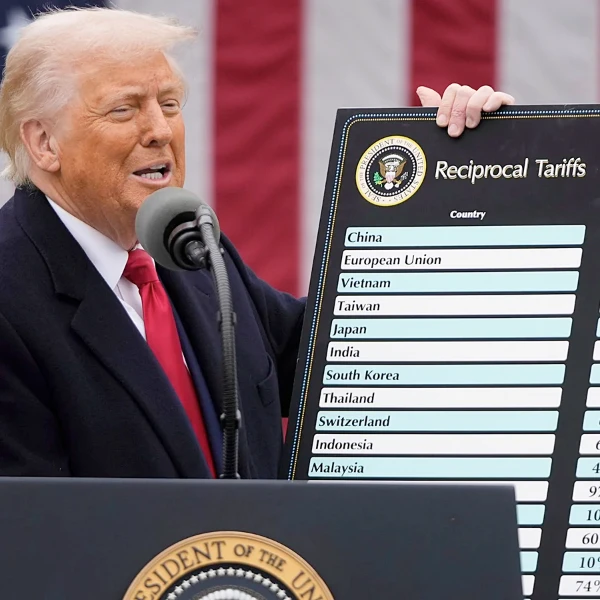
This event tracks whether Donald Trump will issue an executive action imposing new or increased tariffs during a specific month. The action must be a formal presidential document that directly addresses tariff policy. The requirement emphasizes that the action must be signed by the President and have clear policy impact.
Kalshi
If Donald Trump has taken any executive action imposing new or increased tariffs on any country, provided the action specifies an effective date (even if such date occurs after expiration) in Oct 2026, then the market resolves to Yes.
Frequently asked questions
Currently, prediction market odds often reflect a different perspective than traditional polls. While polls capture stated opinions, this market represents what people are willing to *wager* on, offering a measure of true belief. Historical data suggests that prediction markets can be more accurate than polls in forecasting political and economic events, though discrepancies can exist. It’s important to remember that polls measure intention, while this market reflects expectation, and the two aren’t always aligned. Examining both sources provides a more comprehensive understanding of potential outcomes.
On Kalshi, this market is priced using a continuous double auction. Traders buy and sell contracts representing their belief about whether Trump will impose new tariffs. The price of a contract reflects the probability of that outcome occurring, with higher prices indicating a greater perceived chance. On Kalshi, prices reflect that venue's order book, liquidity, and how traders price the outcome right now. The market adjusts dynamically as traders react to new information and refine their predictions. This creates a real-time assessment of expectations regarding the future of the US-China trade relationship, offering a unique insight beyond traditional analysis.
This market resolves around Nov 1, 2026, with the outcome confirmed once the event is verifiable from credible public reporting. Specifically, the resolution will depend on whether a verifiable official statement is released by the U.S. Trade Representative’s office, or by the former President directly, announcing the imposition of new tariffs on goods imported from China during the month of October 2026. The focus is on *new* tariffs ordered during that specific timeframe, not existing or previously announced measures.
Several factors could significantly influence this market. Major economic data releases from the US and China, shifts in the political landscape, and statements from key policymakers regarding trade policy are all potential catalysts. Unexpected geopolitical events or escalating tensions between the two countries could also drive price movements. Furthermore, any indications of a change in Trump’s stance on trade, even through social media or campaign speeches, could impact trading activity and shift the odds in this market. Monitoring these signals will be crucial for understanding market dynamics.
