TOTAL VOLUME:
$154.6b
24H VOL:
$323,326,361
24H TRANSACTIONS:
2,984,640,614
OPEN INTEREST:
$1,969,435,260
419,363
Markets across
40,411
events
MATCHED EVENTS:
4,612
PLATFORM COVERAGE:
5
Polymarket:
37%
VS.
Kalshi:
63%
Closed: Oct 5, 11:02 AM EST

Kalshi
Intro
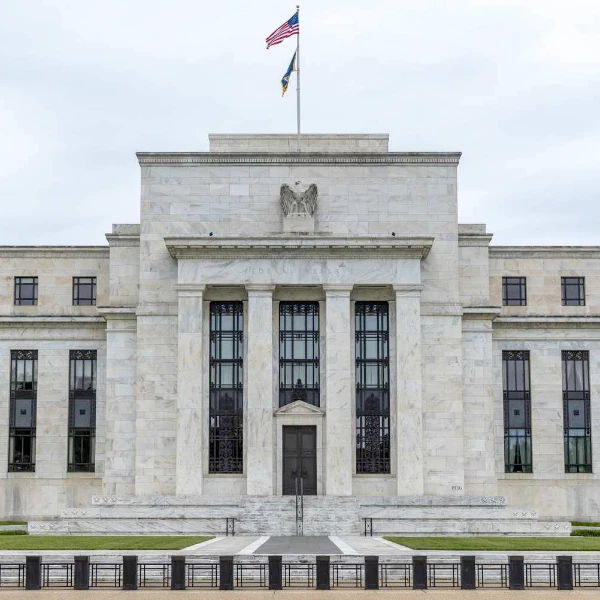
This market tracks whether legislation prohibiting the Federal Reserve from studying, developing, or issuing a central bank digital currency will become law by the end of 2026. On Kalshi, the leading outcome currently stands at 72.0%. Resolution will be determined by whether such prohibitive legislation has been enacted into law before January 1, 2027, as specified by Kalshi's resolution criteria. Watch for congressional action and legislative votes on CBDC restriction bills as the 2026 calendar year progresses toward the January 1, 2027 resolution date.
Kalshi
If legislation prohibiting the Federal Reserve from studying, developing, or issuing a central bank digital currency has become law after Issuance and Jan 1, 2027, then the market resolves to Yes.
Frequently asked questions
On Kalshi, this market is priced using a continuous double auction. Traders buy and sell contracts representing a ‘Yes’ or ‘No’ outcome to the question of whether the US will ban CBDC by Jan 1, 2027. The price of these contracts fluctuates based on supply and demand, with higher prices indicating a greater perceived probability of the event occurring. On Kalshi, prices reflect that venue's order book, liquidity, and how traders price the outcome right now. The current price reflects the collective judgment of all participants trading in this market, offering a dynamic and real-time assessment of the likelihood of a US CBDC ban.
This market resolves around Jan 1, 2027, with the outcome confirmed once the event is verifiable from credible public reporting. Specifically, the resolution will depend on whether the US Congress passes legislation prohibiting the Federal Reserve from studying, developing, or issuing a central bank digital currency before that date. Any such legislation enacted into law will trigger a ‘Yes’ resolution, while the absence of such legislation will result in a ‘No’ resolution. The outcome will be determined based on publicly available legislative records and official government statements.
Several key events could significantly impact this market. Major legislative developments related to digital currencies, such as the introduction of a bill proposing a CBDC ban, would likely cause substantial movement. Statements from key policymakers, including members of Congress and Federal Reserve officials, regarding their stance on CBDCs could also influence trading activity. Unexpected geopolitical events or financial crises that raise concerns about the security or stability of the financial system might also shift perceptions and move the market. Finally, any significant advancements or setbacks in the development of CBDC technology could impact the likelihood of a ban.
