TOTAL VOLUME:
$134.2b
24H VOL:
$126,590,312
24H TRANSACTIONS:
2,388,728,490
OPEN INTEREST:
$1,439,516,703
404,175
Markets across
30,277
events
MATCHED EVENTS:
2,685
PLATFORM COVERAGE:
5
Polymarket:
39%
VS.
Kalshi:
61%
40+
- Polymarket
40+ - Polymarket
1W
News
Positive
Negative
Neutral
Hover marker for details
Vol.
·
Resolved Jul 7, 2026
Latest in Transportation
Closed: Jun 30, 12:00 PM EST

Polymarket
Intro
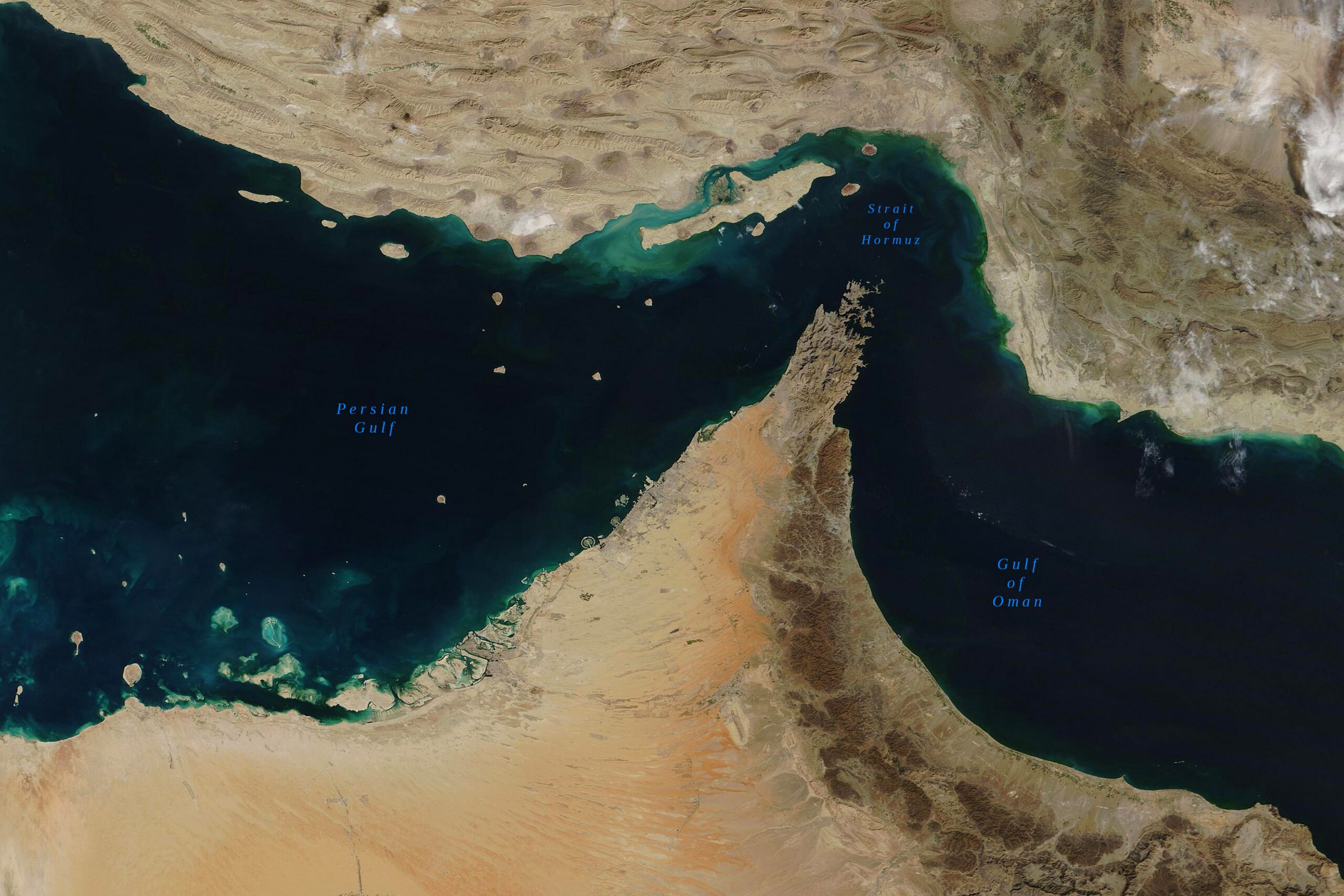
This market tracks whether at least 40 ships will transit the Strait of Hormuz on any single day between now and the end of June 2026. On Polymarket, the probability of this occurring stands at 99.8%. Resolution will be determined by IMF Portwatch's official daily transit data for the Strait of Hormuz. Watch for the final daily transit count reported by IMF Portwatch on or before June 30, 2026, which marks the end of the betting window for this event.
Polymarket
This market will resolve to “Yes” if any finalized daily number of transit calls (“Arrivals of Ships”) for the Strait of Hormuz reported by IMF Portwatch is equal to or above the listed value for any date between market creation and June 30, 2026. Otherwise, this market will resolve to “No”. Transit calls include container, dry bulk, roll-on/roll-off, general cargo, and tanker ships. Ships not reported by IMF Portwatch will not be considered. Data for a specific date must be finalized before it is considered for this market (namely, once the next date's data point is available, the previous one is finalized). This market will resolve as soon as a qualifying figure has been finalized or once all relevant data has been finalized. If the data for the final date of the specified timeframe has not been finalized by the end of the third calendar day (ET) after the day on which such data is first released, this market will resolve based on data published up to that point. Additionally, if not all relevant data has been released and finalized within 14 calendar days of the end of the specified period, this market will resolve based on data published up to that point. In case of obvious data integrity issues (i.e., erroneous data), the market may remain open until the end of the third calendar day (ET) after the date on which such data is first released to allow for corrections. Data integrity issues refer only to clerical or other similar errors in the underlying data, and do not include cases where IMF Portwatch differs from alternative sources. Only revisions to previously published data points made before the applicable resolution time will be considered. The resolution source for this market will be IMF Portwatch, specifically the transit calls data published for the Strait of Hormuz at https://portwatch.imf.org/pages/cb5856222a5b4105adc6ee7e880a1730, both in the chart and through downloadable files.
Frequently asked questions
Prediction markets like Polymarket differ fundamentally from sportsbooks in that they aggregate real-time information from traders rather than setting fixed lines. Sportsbooks typically offer limited shipping or geopolitical markets with wide spreads and manual odds updates. Prediction markets on the Strait of Hormuz event reflect continuous price discovery, meaning odds adjust instantly as new sanctions, naval activity, or trade data surfaces. Sportsbooks may lag behind or decline to offer such niche markets entirely. Prediction market participants often include domain experts and institutional traders, potentially yielding more accurate long-term forecasts than traditional betting venues for specialized transportation and geopolitical events.
The market resolves on Jun 30, 2026, after which no further trading occurs. Resolution hinges on whether the specified number of ships transits the Strait of Hormuz on any single day between now and that deadline. Official shipping data, maritime authority reports, and geopolitical intelligence typically inform the outcome determination. The event is binary: either the threshold is met on at least one day, or it is not. Traders should monitor official maritime traffic reports and regional news sources leading up to expiration to assess the likelihood of the target volume being reached during the contract period.
Major catalysts include new U.S. or international sanctions on Iran, military escalations in the Persian Gulf, or shifts in global oil demand that alter shipping routes. Announcements from OPEC, shipping associations, or maritime authorities regarding transit volumes carry immediate weight. Geopolitical tensions, naval exercises, or blockade threats can spike or crash odds rapidly. Seasonal factors—summer demand, hurricane season impacts on alternative routes—also influence expectations. Real-time shipping data releases and insurance premium changes signal trader conviction shifts. Any peace agreements, sanctions relief, or diplomatic breakthroughs affecting Iran could dramatically alter the probability of hitting daily transit thresholds before the June 30, 2026 deadline.


'%3e%3ccircle%20cx='26'%20cy='26'%20r='26'%20fill='%23000'/%3e%3cpath%20fill='%23fff'%20d='M27.6629%2037.9855L31.004%2037.6925L32.1989%2051.3689C33.72%2051.027%2035.2073%2050.5486%2036.6425%2049.9395V37.8085H40.7697V47.7178C42.4942%2046.577%2044.0775%2045.236%2045.4865%2043.7226L46.0172%2037.6591L49.5548%2037.9678C51.5707%2034.0725%2052.5697%2029.7306%2052.4591%2025.3456C52.3484%2020.9605%2051.1317%2016.6746%2048.9219%2012.886L48.7903%2014.392L44.6631%2014.0303L45.1937%207.97067C43.8569%206.58147%2042.3706%205.34447%2040.7619%204.28222V14.2406H36.6347V2.06247C34.8743%201.313%2033.0358%200.762345%2031.1533%200.420753L32.3463%2014.0637L29.0052%2014.3566L27.7513%200.0314647C27.3308%200.0118035%2026.9062%200%2026.4817%200C24.8262%204.44017e-06%2023.1745%200.157349%2021.5487%200.469906L23.9072%2013.8985L21.364%2014.3468L19.0253%201.0853C16.8454%201.73668%2014.7611%202.67345%2012.8266%203.87129L15.4601%2013.7019L13.4634%2014.2387L11.0146%205.09226C9.12509%206.49278%207.43337%208.1422%205.98527%209.99577L7.26077%2013.5014L5.80446%2014.0322L4.88665%2011.5097C3.41845%2013.6953%202.29182%2016.092%201.54558%2018.6172L1.95829%2018.4678L7.2647%2033.0387L5.80839%2033.5696L1.06407%2020.5303C-0.0225105%2025.6016%200.430464%2030.8821%202.36486%2035.6941C4.29926%2040.5061%207.62683%2044.6301%2011.9206%2047.5369L9.45605%2038.3355L11.4528%2037.7987L14.4677%2049.0567C16.5333%2050.1354%2018.7355%2050.9291%2021.0142%2051.4161L18.6892%2038.1605L21.2343%2037.7122L23.7283%2051.8683C24.6462%2051.9654%2025.5686%2052.014%2026.4916%2052.0138C27.2954%2052.0138%2028.0933%2051.9764%2028.8795%2051.9037L27.6629%2037.9855Z'%20/%3e%3cpath%20fill='%23000'%20d='M46.0368%2018.1276L50.1542%2018.4875L48.804%2033.9372L44.6768%2033.5774L46.0368%2018.1276ZM36.6484%2018.279H40.7756V33.7858H36.6484V18.279ZM31.0099%2018.1611L32.3601%2033.6109L29.019%2033.9038L27.6668%2018.454L31.0099%2018.1611ZM13.481%2033.7898L9.4698%2018.8099L11.4666%2018.2751L15.4778%2033.2452L13.481%2033.7898ZM21.3817%2033.892L18.6892%2018.6211L21.2343%2018.1729L23.9248%2033.4418L21.3817%2033.892Z'%20/%3e%3c/g%3e%3c/svg%3e)