TOTAL VOLUME:
$154.3b
24H VOL:
$228,458,490
24H TRANSACTIONS:
2,984,028,936
OPEN INTEREST:
$1,879,276,037
410,833
Markets across
40,345
events
MATCHED EVENTS:
4,363
PLATFORM COVERAGE:
5
Polymarket:
37%
VS.
Kalshi:
63%
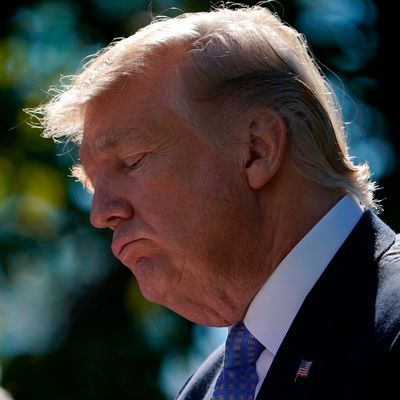
Will Republicans lose any "Safe Republican" Senate race?
Will Republicans lose any "Safe Republican" Senate race?
- Polymarket
Will Republicans lose any "Safe Republican" Senate race? - Polymarket
1W
News
Positive
Negative
Neutral
Hover marker for details
Vol.
·
Resolves Nov 3, 2026
Time left: 01d:08h:06m
Will Republicans lose any "Safe Republican" Senate race?
$

Will Republicans lose any "Safe Republican" Senate race?
Description
This market will resolve to "Yes" if, in the 2026 midterm elections, the Republican party nominee fails to win one or more of the Senate races listed below. Otherwise, this market will resolve to "No". The relevant races are the currently-scheduled United States Senate races in: Alabama, Arkansas, Florida (Special), Idaho, Kentucky, Louisiana, Mississippi, Montana, Oklahoma, South Carolina, South Dakota, Tennessee, West Virginia, and Wyoming. Seats are attributed to the party under which the member was elected. If a member-elect changes party affiliation, or vacates their office, after election day, the seat is attributed to the party under which the person was elected. Candidates who run as independents or third-party candidates will not be considered to be Republicans regardless of affiliation or caucus decisions. In the event that the winner of an election cannot be determined by March 31, 2027, that election will not be considered for purposes of this market. The resolution sources for this market will be official information from relevant state electoral authorities, the United States Congress, and a consensus of credible reporting.
Polymarket
This market will resolve to "Yes" if, in the 2026 midterm elections, the Republican party nominee fails to win one or more of the Senate races listed below. Otherwise, this market will resolve to "No". The relevant races are the currently-scheduled United States Senate races in: Alabama, Arkansas, Florida (Special), Idaho, Kentucky, Louisiana, Mississippi, Montana, Oklahoma, South Carolina, South Dakota, Tennessee, West Virginia, and Wyoming. Seats are attributed to the party under which the member was elected. If a member-elect changes party affiliation, or vacates their office, after election day, the seat is attributed to the party under which the person was elected. Candidates who run as independents or third-party candidates will not be considered to be Republicans regardless of affiliation or caucus decisions. In the event that the winner of an election cannot be determined by March 31, 2027, that election will not be considered for purposes of this market. The resolution sources for this market will be official information from relevant state electoral authorities, the United States Congress, and a consensus of credible reporting.
Frequently asked questions
Currently, the prediction market suggests a high probability that Republicans will lose at least one “Safe Republican” Senate seat. This contrasts with some traditional polling averages, which may show more stability in these races. However, it’s important to remember that polls capture a snapshot in time and can be influenced by various factors, while this market reflects a continuously updated assessment of probabilities based on informed traders. The difference between prediction market odds and polling data can highlight areas where the market anticipates shifts not yet fully reflected in polls.
On Polymarket, this market is priced through a continuous exchange where traders buy and sell shares representing their belief in the outcome. The price of a share directly corresponds to the probability of the event occurring – a higher price indicates a greater perceived chance of Republicans losing a safe seat. On Polymarket, prices reflect that venue's order book, liquidity, and how traders price the outcome right now. The market’s price is determined by supply and demand; as more traders believe a loss is likely, they’ll buy shares, driving up the price, and vice versa. This dynamic pricing mechanism provides a real-time assessment of the likelihood of the event.
This market resolves around Nov 4, 2026, with the outcome confirmed once the event is verifiable from credible public reporting. Specifically, the resolution will depend on whether any Senate race initially considered “safe” for the Republican party is won by a Democratic or Independent candidate in the November 2026 election. The definition of “safe” will be determined by pre-election ratings from established political analysis sources, ensuring a clear and objective standard for determining the outcome of this market.
Several factors could significantly impact this market. Major shifts in national political sentiment, unexpected candidate announcements, significant fundraising disparities, or key endorsements could all influence trader behavior. Furthermore, any major economic events or geopolitical developments could also play a role, especially if they impact voter priorities. Changes in polling data for specific Senate races, particularly those considered competitive, will also be closely watched and could lead to substantial movements in this market’s price.


