TOTAL VOLUME:
$154.6b
24H VOL:
$323,326,361
24H TRANSACTIONS:
2,984,640,614
OPEN INTEREST:
$1,969,435,260
419,363
Markets across
40,411
events
MATCHED EVENTS:
4,612
PLATFORM COVERAGE:
5
Polymarket:
37%
VS.
Kalshi:
63%
Closed: Oct 4, 9:59 AM EST

Kalshi
Description
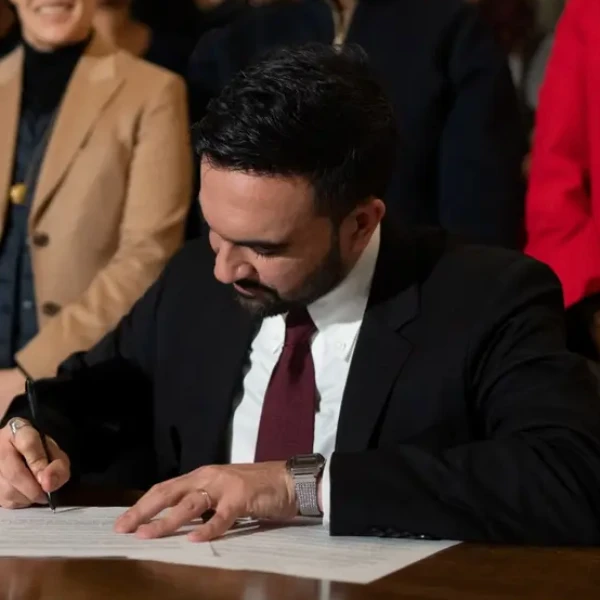
The event focuses on whether any non-emergency executive orders will be signed by Zohran Mamdani during the specified period from September 27 to October 3, 2026. It centers around the legislative actions taken by the official within that timeframe. The outcome depends solely on the occurrence of such orders during the given dates.
Kalshi
If the number of non-emergency executive orders signed by Zohran Mamdani is above 0 from Sep 27, 2026 to Oct 3, 2026, then the market resolves to Yes.
Frequently asked questions
Currently, prediction market odds offer a distinct perspective compared to traditional polling data regarding the likelihood of Mamdani signing an executive order this week. While polls capture stated preferences, this market reflects what individuals are willing to *stake* on the outcome. This difference can be significant, as prediction markets incentivize truthful forecasting. If polls suggest a different probability than this market, it may indicate disagreement about the reliability of the polling data or differing interpretations of the political landscape surrounding the potential executive order. The market aggregates information from a diverse range of participants, potentially offering a more nuanced view.
On Kalshi, this market is priced through a continuous double auction, meaning traders buy and sell contracts representing the probability of the event occurring. The price of a contract reflects the market’s collective assessment of that probability. On Kalshi, prices reflect that venue's order book, liquidity, and how traders price the outcome right now. As more traders participate and new information becomes available, the price adjusts to reflect the evolving consensus. A higher price indicates a greater perceived likelihood of Mamdani signing the executive order, while a lower price suggests the opposite. The market depth—the number of buy and sell orders at different price levels—also provides insights into market confidence.
This market resolves around Jan 1, 2027, with the outcome confirmed once the event is verifiable from credible public reporting. Resolution will depend on whether a publicly released executive order signed by Mamdani is dated between September 27th and October 3rd. Any official documentation confirming the signing, or lack thereof, will be used to determine the result of this market. The focus is solely on whether an executive order meeting these criteria is issued during the specified timeframe, and the outcome will be based on publicly available information.
Several signals or events could significantly impact this market. Any official statements from Mamdani or their administration regarding potential executive actions would be closely watched. Unexpected political developments, such as legislative changes or major policy announcements, could also shift market sentiment. News reports detailing internal discussions about the executive order, or leaks suggesting its content, could also cause fluctuations. Finally, broader economic or geopolitical events that might influence the urgency or necessity of such an order could move this market between now and Jan 1, 2027.
