TOTAL VOLUME:
$154.5b
24H VOL:
$271,200,656
24H TRANSACTIONS:
2,984,640,614
OPEN INTEREST:
$1,922,627,141
420,368
Markets across
40,352
events
MATCHED EVENTS:
4,484
PLATFORM COVERAGE:
5
Polymarket:
37%
VS.
Kalshi:
63%
Closed: Oct 27, 3:38 AM EST

Polymarket
Description
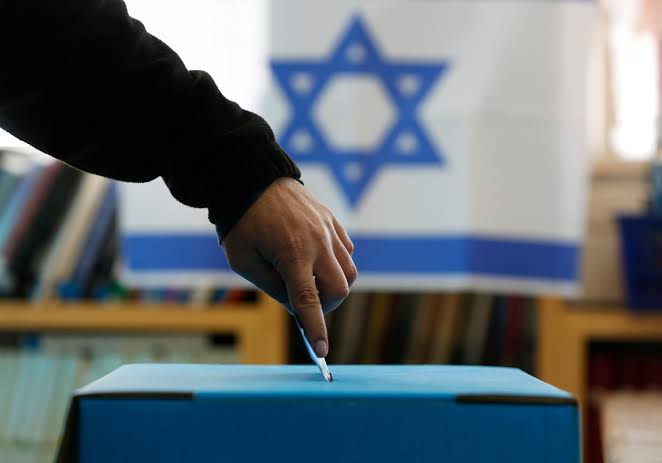
This market will resolve to "Yes" if general voting in the election for the 26th Knesset takes place in Israel on October 27, 2026. For the purposes of this market, "general voting" means nationwide election-day voting open to eligible voters across Israel. This market will still resolve to "Yes" if voting is postponed, cancelled, or disrupted in a limited number of individual localities or polling stations, so long as nationwide voting proceeds on October 27, 2026. This market will resolve to "No" if nationwide Knesset voting occurs before October 27, 2026 (e.g., due to a snap election), or October 27, 2026 passes without nationwide Knesset voting having occurred (e.g., due to nationwide postponement). Early or special voting mechanisms that occur before election day (e.g., voting by soldiers or citizens abroad) will not affect resolution. Only the date of general election-day voting counts. The resolution source for this market will be a consensus of credible reporting.
Polymarket
This market will resolve to "Yes" if general voting in the election for the 26th Knesset takes place in Israel on October 27, 2026. For the purposes of this market, "general voting" means nationwide election-day voting open to eligible voters across Israel. This market will still resolve to "Yes" if voting is postponed, cancelled, or disrupted in a limited number of individual localities or polling stations, so long as nationwide voting proceeds on October 27, 2026. This market will resolve to "No" if nationwide Knesset voting occurs before October 27, 2026 (e.g., due to a snap election), or October 27, 2026 passes without nationwide Knesset voting having occurred (e.g., due to nationwide postponement). Early or special voting mechanisms that occur before election day (e.g., voting by soldiers or citizens abroad) will not affect resolution. Only the date of general election-day voting counts. The resolution source for this market will be a consensus of credible reporting.
Frequently asked questions
Prediction markets and traditional polls measure different things: polls typically gauge voter preference or public sentiment on specific issues, while this market prices the probability of a discrete event—whether the election happens on schedule. Market odds often incorporate forward-looking information, political insider knowledge, and real-money incentives that can diverge from snapshot polling. Traders betting on election timing may factor in coalition stability, legislative votes, or geopolitical pressures that standard surveys do not capture, making market prices a complementary signal to conventional polling data.
On Polymarket, this market is priced through an automated market maker that allows traders to buy and sell shares representing each outcome. On Polymarket, prices reflect that venue's order book, liquidity, and how traders price the outcome right now. The price of each outcome reflects the cumulative bets placed by participants; as traders buy shares predicting the election will occur as scheduled, the price of that outcome rises, and vice versa. This continuous pricing mechanism ensures the market remains liquid and responsive to new information, news developments, or shifting expectations about political events that could affect the election date.
This market resolves around Oct 28, 2026, at which point the outcome will be determined based on whether Israel's election took place on its officially scheduled date. Resolution will be verified against credible public sources and official announcements from Israeli electoral authorities. The market will settle to yes if the election occurred as planned, or no if it was postponed, advanced, or cancelled. Traders should monitor official government communications and major news outlets in the weeks leading up to the deadline for any announcements affecting the election schedule.
Key catalysts for this market include coalition negotiations, parliamentary votes on government formation, security developments, and public statements from Israeli political leaders about election timing. Unexpected government collapses, legal challenges to electoral procedures, or major geopolitical events could trigger sharp price movements. International pressure, domestic political crises, or changes in legislative support for the current government may force early elections or delay scheduled ones. Traders should watch for Knesset announcements, prime ministerial statements, and regional developments that could alter the political calculus around election timing.
