TOTAL VOLUME:
$154.4b
24H VOL:
$245,801,863
24H TRANSACTIONS:
2,984,028,936
OPEN INTEREST:
$1,902,097,102
417,059
Markets across
40,178
events
MATCHED EVENTS:
4,415
PLATFORM COVERAGE:
5
Polymarket:
37%
VS.
Kalshi:
63%
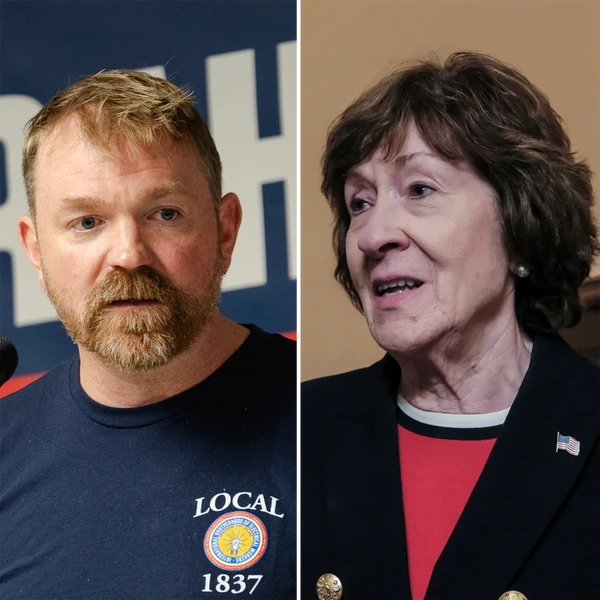

Will Graham Platner and Susan Collins debate?
Before 2026
- Kalshi
Before 2026 - Kalshi
1W
News
Positive
Negative
Neutral
Hover marker for details
Vol.
·
Resolves Nov 3, 2026
Time left: 15h:08m:54s
Will Graham Platner and Susan Collins debate each other in 2026?
$
Description
A political candidate and an incumbent senator hold a debate before the November 3, 2026 election date.
Kalshi
If Graham Platner and Susan Collins have a debate before Nov 3, 2026, then the market resolves to Yes.
Frequently asked questions
Currently, prediction market odds offer a distinct perspective compared to traditional polling data regarding the likelihood of a debate. While polls capture stated preferences, this market reflects what individuals are willing to put their money on. If polls consistently show strong public interest in a debate, we might expect to see increased volume and a higher probability reflected in this market. However, discrepancies can arise due to factors like information asymmetry or differing interpretations of the candidates' willingness to participate. It’s important to remember that both approaches provide valuable, but different, insights.
On Kalshi, this market is priced through a continuous double auction. Traders buy and sell contracts representing the likelihood of the event happening, and the price fluctuates based on supply and demand. As more people believe a debate will occur, the price of 'yes' contracts increases, and the implied probability rises. Conversely, if doubt grows, 'yes' contract prices fall. On Kalshi, prices reflect that venue's order book, liquidity, and how traders price the outcome right now. The current top probability, as indicated by the market price, is 2.0%.
This market resolves around Nov 3, 2026, with the outcome confirmed once the event is verifiable from credible public reporting. Resolution will depend on whether a formal, publicly announced debate between Graham Platner and Susan Collins takes place before that date. The determination will be based on widely available news sources and official statements from the candidates or their campaigns. The outcome will be a simple 'yes' or 'no' based on whether the debate occurred as defined by commonly understood standards for such events.
Several factors could significantly impact this market. Official announcements from either Graham Platner or Susan Collins regarding their willingness to debate would be major catalysts. Increased media attention on the possibility of a debate, or pressure from political groups, could also shift market sentiment. Any public statements indicating a scheduling conflict or a firm refusal to debate would likely decrease the probability. Furthermore, significant political events or developments impacting either candidate’s campaign strategy could influence the likelihood of a debate occurring before Nov 3, 2026.
