TOTAL VOLUME:
$154.3b
24H VOL:
$219,029,434
24H TRANSACTIONS:
2,984,028,936
OPEN INTEREST:
$1,869,293,526
411,051
Markets across
40,408
events
MATCHED EVENTS:
4,377
PLATFORM COVERAGE:
5
Polymarket:
37%
VS.
Kalshi:
63%
CGT increase
- Polymarket
CGT increase - Polymarket
1W
News
Positive
Negative
Neutral
Hover marker for details
Vol.
·
Resolved Oct 28, 2026
Latest in Politics


Closed: Oct 28, 6:39 PM EST

Polymarket
Description
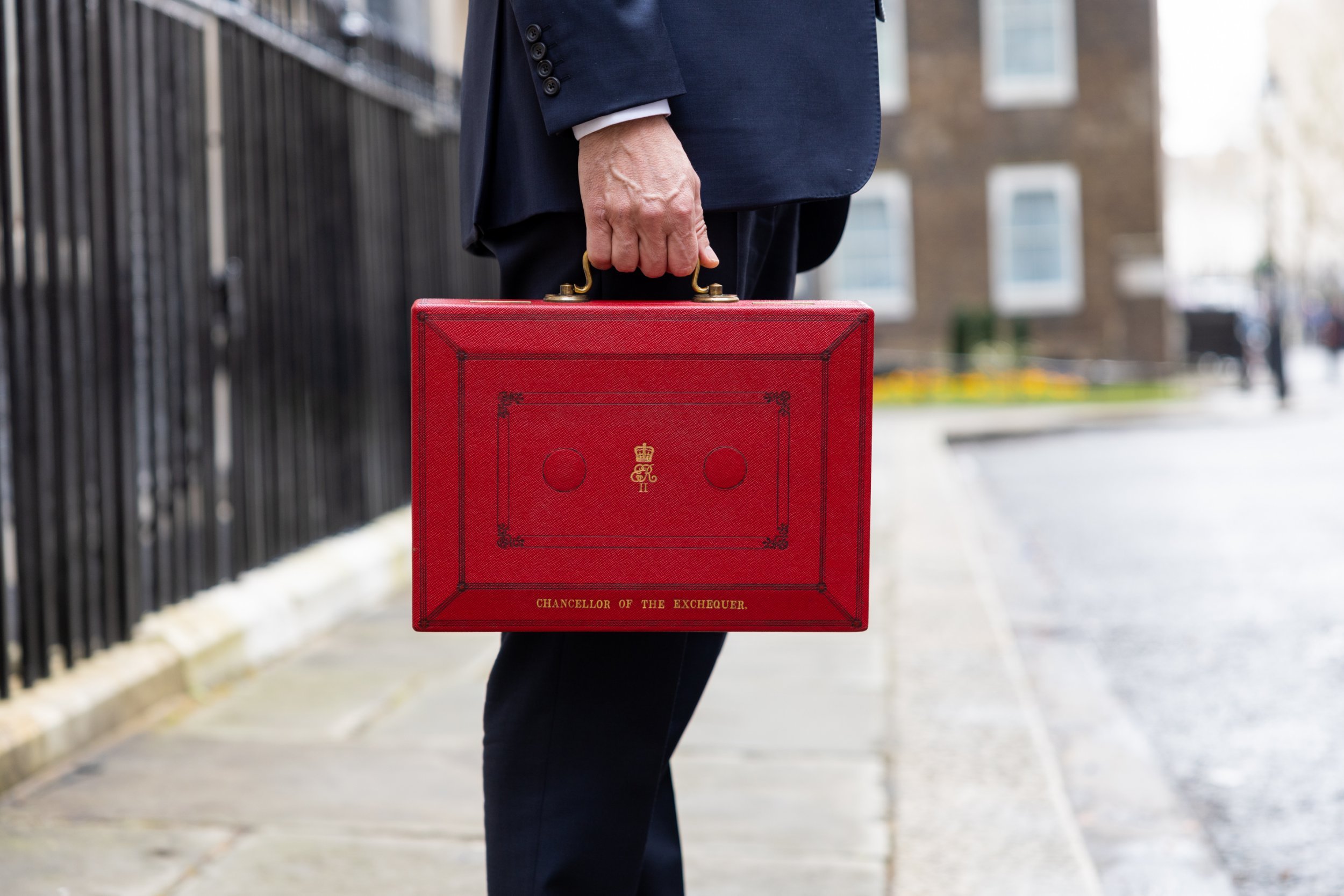
The UK Autumn Budget 2026 is scheduled to be delivered to Parliament by Chancellor of the Exchequer John Healey on October 28, 2026. This market will resolve to "Yes" if the listed measure is announced in the 2026 Autumn Budget. Otherwise, this market will resolve to "No". For the purposes of this market, the listed options are defined as follows: - Wealth tax: the introduction of an annual percentage-based levy on the value of a person's assets. - Land value tax: the introduction of a percentage-based levy on the value of a person's home. - Fuel duty increase: an increase to the rate of fuel duty. - CGT increase: an increase to any rate of capital gains tax. A measure will only count if it is announced in the Chancellor's Budget speech or contained in the official Budget documents published by HM Treasury on the day of the Budget. Measures that are only consulted on, reviewed, or otherwise not announced as government policy will not count. For the fuel duty option, the ending or non-renewal of the existing fuel duty freeze, such that the rate of fuel duty rises, will count as an increase. If the 2026 Autumn Budget is delayed beyond October 28, 2026, this market will resolve according to the Budget whenever it is delivered, provided it is delivered by December 31, 2026, 11:59 PM ET. If no Budget is delivered by that date, this market will resolve to "No". The primary resolution source for this market will be official information from HM Treasury and the UK government, including the published Budget documents; however, a consensus of credible reporting will also be used.
Polymarket
The UK Autumn Budget 2026 is scheduled to be delivered to Parliament by Chancellor of the Exchequer John Healey on October 28, 2026. This market will resolve to "Yes" if the listed measure is announced in the 2026 Autumn Budget. Otherwise, this market will resolve to "No". For the purposes of this market, the listed options are defined as follows: - Wealth tax: the introduction of an annual percentage-based levy on the value of a person's assets. - Land value tax: the introduction of a percentage-based levy on the value of a person's home. - Fuel duty increase: an increase to the rate of fuel duty. - CGT increase: an increase to any rate of capital gains tax. A measure will only count if it is announced in the Chancellor's Budget speech or contained in the official Budget documents published by HM Treasury on the day of the Budget. Measures that are only consulted on, reviewed, or otherwise not announced as government policy will not count. For the fuel duty option, the ending or non-renewal of the existing fuel duty freeze, such that the rate of fuel duty rises, will count as an increase. If the 2026 Autumn Budget is delayed beyond October 28, 2026, this market will resolve according to the Budget whenever it is delivered, provided it is delivered by December 31, 2026, 11:59 PM ET. If no Budget is delivered by that date, this market will resolve to "No". The primary resolution source for this market will be official information from HM Treasury and the UK government, including the published Budget documents; however, a consensus of credible reporting will also be used.
Frequently asked questions
Currently, prediction market odds offer a distinct perspective compared to traditional polling averages regarding the UK Budget. While polls capture stated preferences, this market reflects what individuals are willing to *stake* on different outcomes. This often leads to a more accurate forecast, as it incorporates a financial incentive for correct predictions. Discrepancies between prediction market probabilities and polling data can highlight areas where public opinion may not fully translate into expected policy changes. It’s important to note that polls and this market measure different things, offering complementary insights into the potential contents of the UK Budget.
On Polymarket, this market is priced through a continuous trading mechanism where users buy and sell contracts representing different possible outcomes of the UK Budget. The price of each contract reflects the market’s collective belief about the probability of that outcome occurring. On Polymarket, prices reflect that venue's order book, liquidity, and how traders price the outcome right now. As more traders participate and new information becomes available, the prices adjust accordingly, creating a dynamic forecast. This means the odds are not set by analysts but are instead determined by the aggregated actions of market participants, making it a true reflection of crowd wisdom regarding the budget's contents.
This market resolves around Oct 29, 2026, with the outcome confirmed once the contents of the UK Budget are verifiable from credible public reporting. Resolution will be based on official documentation released by the UK government following the Budget announcement. The market will determine which outcomes were accurately predicted based on the final, published details of the budget. Traders should monitor official sources for the definitive details that will trigger the market’s settlement. The resolution process is designed to be objective and based on publicly available information.
Several signals and events could significantly move this market before Oct 29, 2026. Unexpected economic data releases, such as inflation or GDP figures, could shift expectations about the Chancellor’s priorities. Statements from government ministers hinting at potential policy changes would also likely impact trading activity. Major political events, like a leadership challenge or significant shifts in parliamentary support, could introduce uncertainty and volatility. Any leaks or credible reports regarding specific budget proposals are also likely to cause price fluctuations in this market, as traders react to new information.


