TOTAL VOLUME:
$115b
24H VOL:
$136,758,144
24H TRANSACTIONS:
1,328,568,758
OPEN INTEREST:
$1,203,416,144
319,420
Markets across
31,372
events
MATCHED EVENTS:
3,061
PLATFORM COVERAGE:
5
Polymarket:
42%
VS.
Kalshi:
58%
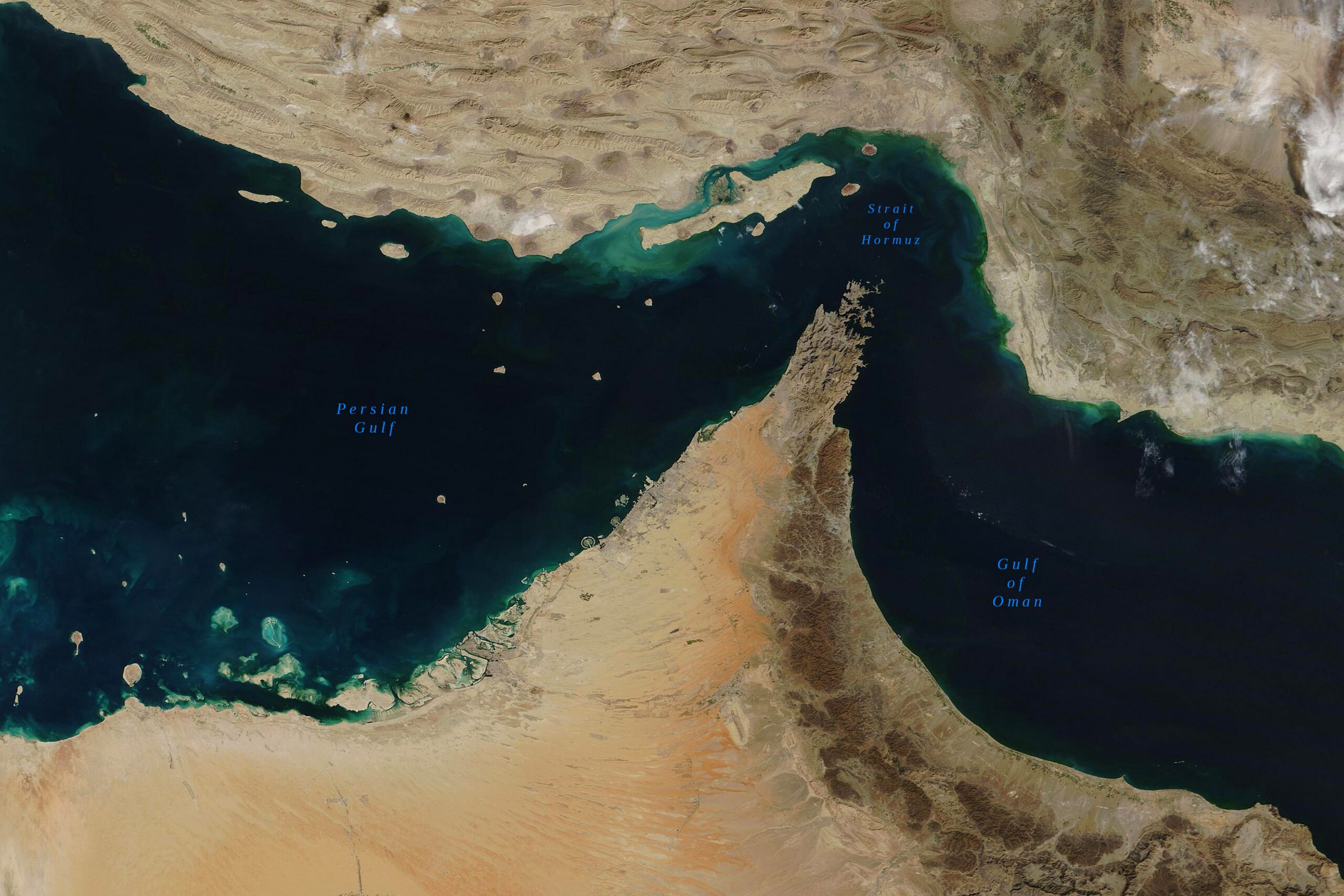


Strait of Hormuz traffic returns to normal by September 30?
Strait of Hormuz traffic returns to normal by September 30?
- Polymarket
Strait of Hormuz traffic returns to normal by September 30? - Polymarket
6%
1W
News
Positive
Negative
Neutral
Hover marker for details
Aug 15
Aug 17
Aug 18
Aug 19
Aug 20
Aug 21
Aug 22
Vol.
$1.8m
·
Resolves Nov 30, 2026







Strait of Hormuz traffic returns to normal by September 30?
$
Intro
This market tracks whether maritime traffic through the Strait of Hormuz will return to normal levels by September 30, 2026, with the current aggregated consensus showing a 5.5% probability for yes and a 5.0% probability for the highest daily number of transit calls reaching at least 70 in August 2026, based on data from Polymarket and Kalshi, and will resolve using IMF Portwatch data. Watch for the IMF Portwatch publication of transit call data through September 30, 2026, as this will determine the outcome.
PredictionHero - Resolution Divergence Alerts (RDA)
Divergence Detected
Issue: Divergence in threshold measurement (7-day moving average vs peak daily) and time window (anytime vs August only)Hero tip: Monitor both sustained average and peak daily figures. August data is critical for Kalshi while Polymarket remains open until September 30.Critical divergence points:
- Polymarket: Resolves if IMF Portwatch publishes a 7-day moving average of transit calls equal to or above 60 for any date between market creation and September 30, 2026
- Kalshi: Resolves to Yes if the highest daily number of transit calls through the Strait of Hormuz as reported by IMF PortWatch is at least 60 in August 2026
Polymarket
This market will resolve to “Yes” if IMF Portwatch publishes a 7-day moving average of transit calls (“Arrivals of Ships”) for the Strait of Hormuz equal to or above 60 for any date between market creation and September 30, 2026. Otherwise, this market will resolve to “No”. Daily transit calls include container, dry bulk, roll-on/roll-off, general cargo, and tanker ships. Ships not reported by IMF Portwatch will not be considered. This market will resolve as soon as IMF Portwatch publishes a 7-day moving average of transit calls equal to or above the specified level, or once data has been published for the final date in the specified period and no such value has been published. If no data has been published for the final date of the specified period within 14 calendar days (ET) after the end of that period, this market will resolve based on data published up to that point. Revisions to previously published data points made within this market’s timeframe will be considered. However, they will not disqualify a previously published data point from qualifying. Revisions to previously published data points after data is published for September 30, 2026, however, will not be considered. In case of obvious data integrity issues (i.e., erroneous data), the market may remain open until the end of the third calendar day (ET) after the date on which such data is first released to allow for corrections. Data integrity issues refer only to clerical or other similar errors in the underlying data, and do not include cases where IMF Portwatch differs from alternative sources. The resolution source for this market will be IMF Portwatch, specifically the transit calls data published for the Strait of Hormuz at https://portwatch.imf.org/pages/cb5856222a5b4105adc6ee7e880a1730, both in the chart and through downloadable files.
Kalshi
This event evaluates whether daily vessel transit counts through the Strait of Hormuz, as officially reported by the IMF PortWatch, achieve specified volume thresholds during August 2026. Multiple markets correspond to ascending numerical benchmarks — ranging from 30 to 100 transit calls per day — with each market resolving to 'Yes' if the highest single-day count meets or exceeds its respective threshold. The collective structure allows participants to assess varying levels of traffic intensity against a unified data source, reflecting both normal operational patterns and any unusual surges or constraints that may occur within the month.
Frequently asked questions
Prediction market odds reflect aggregated trader sentiment weighted by financial commitment, often differing from polling averages that sample public opinion. In this market, prices capture nuanced risk assessments and real-money stakes not present in surveys. While polls might highlight broad public sentiment on regional stability, market odds incorporate trading strategies, liquidity conditions, and diverse global participants, potentially offering a more forward-looking gauge of expected outcomes.
On Polymarket and Kalshi, pricing can diverge due to differences in user base, liquidity depth, and market design. Polymarket and Kalshi can show different implied probabilities for the same outcome because of liquidity, fee structure, participant mix, and how each venue defines the contract. For example, varying volumes — $5,276,985 overall versus $97,703 in the last day — may amplify price swings on thinner books. Additionally, each platform’s trading mechanics and open interest influence how quickly new information is priced in, leading to temporary mismatches between Polymarket and Kalshi until arbitrageurs restore alignment.
This market resolves around Nov 30, 2026, with the outcome confirmed once the event is verifiable from credible public reporting. Traders will watch maritime data releases, shipping industry updates, and geopolitical developments through the summer. The final determination hinges on whether traffic levels meet normal thresholds by the specified deadline, based on widely accepted sources that validate the factual state of passage through the strait.
Key signals include naval exercises, sanctions announcements, or incidents involving commercial vessels in the region. Media coverage of escalated tensions or diplomatic breakthroughs can rapidly shift trader sentiment. Additionally, weekly shipping reports and oil flow data serve as leading indicators, while any unexpected conflict or infrastructure blockage would likely push odds toward the unfavorable outcome as participants reassess risks ahead of Nov 30, 2026.

'%3e%3ccircle%20cx='26'%20cy='26'%20r='26'%20fill='%23000'/%3e%3cpath%20fill='%23fff'%20d='M27.6629%2037.9855L31.004%2037.6925L32.1989%2051.3689C33.72%2051.027%2035.2073%2050.5486%2036.6425%2049.9395V37.8085H40.7697V47.7178C42.4942%2046.577%2044.0775%2045.236%2045.4865%2043.7226L46.0172%2037.6591L49.5548%2037.9678C51.5707%2034.0725%2052.5697%2029.7306%2052.4591%2025.3456C52.3484%2020.9605%2051.1317%2016.6746%2048.9219%2012.886L48.7903%2014.392L44.6631%2014.0303L45.1937%207.97067C43.8569%206.58147%2042.3706%205.34447%2040.7619%204.28222V14.2406H36.6347V2.06247C34.8743%201.313%2033.0358%200.762345%2031.1533%200.420753L32.3463%2014.0637L29.0052%2014.3566L27.7513%200.0314647C27.3308%200.0118035%2026.9062%200%2026.4817%200C24.8262%204.44017e-06%2023.1745%200.157349%2021.5487%200.469906L23.9072%2013.8985L21.364%2014.3468L19.0253%201.0853C16.8454%201.73668%2014.7611%202.67345%2012.8266%203.87129L15.4601%2013.7019L13.4634%2014.2387L11.0146%205.09226C9.12509%206.49278%207.43337%208.1422%205.98527%209.99577L7.26077%2013.5014L5.80446%2014.0322L4.88665%2011.5097C3.41845%2013.6953%202.29182%2016.092%201.54558%2018.6172L1.95829%2018.4678L7.2647%2033.0387L5.80839%2033.5696L1.06407%2020.5303C-0.0225105%2025.6016%200.430464%2030.8821%202.36486%2035.6941C4.29926%2040.5061%207.62683%2044.6301%2011.9206%2047.5369L9.45605%2038.3355L11.4528%2037.7987L14.4677%2049.0567C16.5333%2050.1354%2018.7355%2050.9291%2021.0142%2051.4161L18.6892%2038.1605L21.2343%2037.7122L23.7283%2051.8683C24.6462%2051.9654%2025.5686%2052.014%2026.4916%2052.0138C27.2954%2052.0138%2028.0933%2051.9764%2028.8795%2051.9037L27.6629%2037.9855Z'%20/%3e%3cpath%20fill='%23000'%20d='M46.0368%2018.1276L50.1542%2018.4875L48.804%2033.9372L44.6768%2033.5774L46.0368%2018.1276ZM36.6484%2018.279H40.7756V33.7858H36.6484V18.279ZM31.0099%2018.1611L32.3601%2033.6109L29.019%2033.9038L27.6668%2018.454L31.0099%2018.1611ZM13.481%2033.7898L9.4698%2018.8099L11.4666%2018.2751L15.4778%2033.2452L13.481%2033.7898ZM21.3817%2033.892L18.6892%2018.6211L21.2343%2018.1729L23.9248%2033.4418L21.3817%2033.892Z'%20/%3e%3c/g%3e%3c/svg%3e)