TOTAL VOLUME:
$154.6b
24H VOL:
$323,326,361
24H TRANSACTIONS:
2,984,640,614
OPEN INTEREST:
$1,969,435,260
419,363
Markets across
40,411
events
MATCHED EVENTS:
4,612
PLATFORM COVERAGE:
5
Polymarket:
37%
VS.
Kalshi:
63%
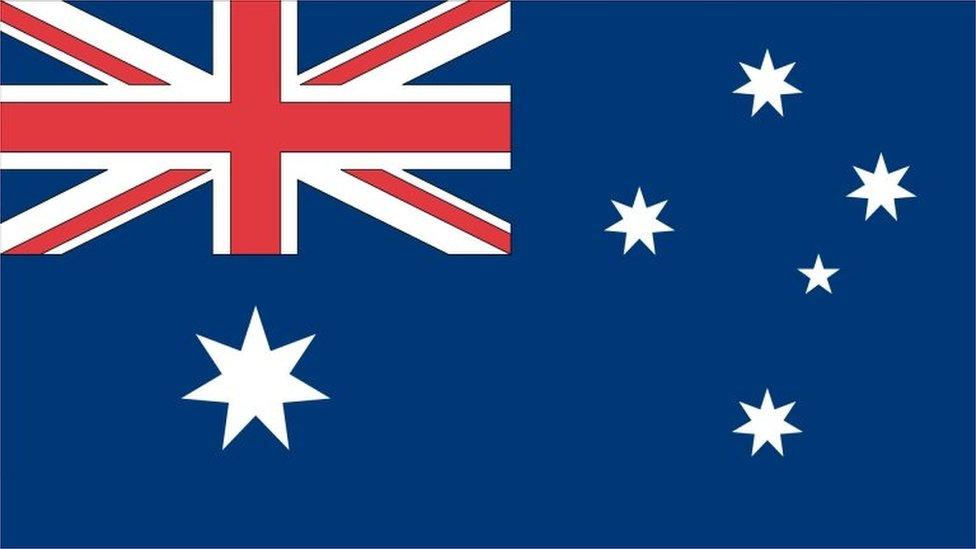
NZ election: Labour v National (% of Party List Vote)
- Polymarket
NZ election: Labour v National (% of Party List Vote) - Polymarket
1W
News
Positive
Negative
Neutral
Hover marker for details
Vol.
·
Resolves Nov 7, 2026
Time left: 05d:02h:11m
NZ election: Labour v National (% of Party List Vote)
$

NZ election: Labour v National (% of Party List Vote)
Intro
This market tracks which party will receive a higher share of party list votes in New Zealand's general election: Labour or National. On Polymarket, Labour holds 80.0% probability of outpolling National on the party vote. Resolution will be determined by the official results from the New Zealand Electoral Commission, based on valid party list votes cast across both the general and Māori electorates. Watch for the election results on November 7, 2026, when New Zealand voters cast their party votes under the mixed-member proportional system.
Polymarket
A general election is scheduled to be held in New Zealand on November 7, 2026. New Zealand uses a mixed-member proportional electoral system in which most voters cast two votes: one for a candidate in a single-member electorate and one party vote for a political party list. This market will resolve to “Labour” if the Labour Party receives a higher percentage of valid party list votes than the National Party in this election. This market will resolve to “National” if the National Party receives a higher percentage of valid party list votes than the Labour Party in this election. Percentages of valid party list votes received by the Labour Party and the National Party will be determined by dividing the total number of valid party list votes each party receives by the sum of all valid party list votes cast in the election. This market includes party list votes cast by both the general electorate and the Māori electorate. This market will resolve solely based on party list votes cast in this election. Electorate votes will not be considered. If the Labour Party and the National Party receive the same percentage of valid party list votes in this election, this market will resolve 50-50. If the results of this election are not definitively known by October 31, 2027, 11:59 PM ET, this market will resolve 50-50. This market will resolve based on the official election results reported by the New Zealand Electoral Commission (https://elections.nz/). However, an overwhelming consensus of credible reporting may also suffice.
Frequently asked questions
Currently, prediction market odds reflect a different outlook than many traditional polling averages. While polls show a close race, this market indicates a higher probability for one outcome over the other. It’s important to remember that polls capture a snapshot in time and are subject to methodological limitations, whereas prediction markets aggregate the wisdom of the crowd and continuously update based on new information. Discrepancies between prediction markets and polls can sometimes indicate that traders have access to, or are factoring in, information not fully reflected in public opinion surveys.
On Polymarket, this market is priced through a continuous double auction, meaning traders can buy and sell contracts representing their beliefs about the outcome. The price of a contract reflects the probability of that outcome occurring, as perceived by the market participants. On Polymarket, prices reflect that venue's order book, liquidity, and how traders price the outcome right now. The more traders believe an outcome is likely, the higher the price of its corresponding contract will rise, and vice versa. This dynamic pricing mechanism ensures that the market odds are constantly adjusting to reflect the latest information and sentiment.
This market resolves around Nov 8, 2026, with the outcome confirmed once the event is verifiable from credible public reporting. The resolution will be based on the official percentage of the Party List Vote received by each major party in the New Zealand election, as reported by the Electoral Commission. This ensures a transparent and objective determination of the winning outcome. Traders should monitor official announcements from the Electoral Commission as the election results are tallied and verified.
Several signals or events could significantly move this market before its resolution. Major policy announcements from either leading party, unexpected shifts in economic indicators, or significant events impacting public opinion – such as televised debates or scandals – could all influence trader sentiment. Changes in polling data, even if they don’t fully align with the market, can also cause fluctuations. Unexpected endorsements or campaign missteps could also contribute to price movements in this market as traders react to new information.
