TOTAL VOLUME:
$134.1b
24H VOL:
$133,388,117
24H TRANSACTIONS:
2,388,728,490
OPEN INTEREST:
$1,436,095,462
405,232
Markets across
30,526
events
MATCHED EVENTS:
2,693
PLATFORM COVERAGE:
5
Polymarket:
39%
VS.
Kalshi:
61%
<150
- Polymarket
<150 - Polymarket
1W
News
Positive
Negative
Neutral
Hover marker for details
Vol.
·
Resolved Jul 18, 2026
Latest in Transportation
Closed: Jul 12, 7:59 PM EST

Polymarket
Description
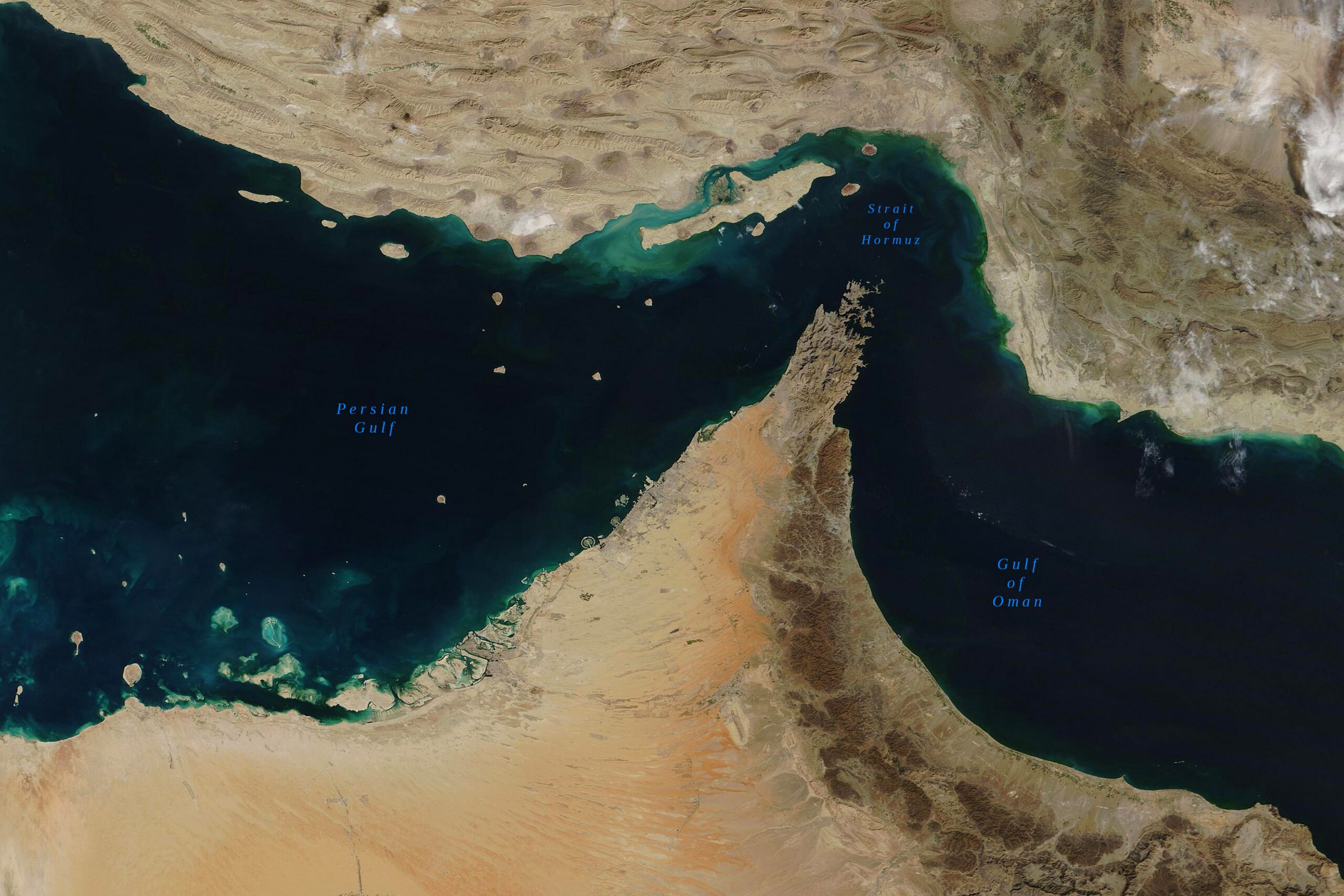
This market will resolve according to the finalized total number of transit calls that IMF Portwatch reports for the Strait of Hormuz for all days from July 6, 2026, through July 12, 2026, inclusive. Transit calls include container, dry bulk, roll-on/roll-off, general cargo, and tanker ships. Ships not reported by IMF Portwatch will not be considered. Data for a specific date must be finalized before it is considered for this market (namely, once the next date's data point is available, the previous one is finalized). This market will resolve as soon as data has been finalized for the final date in the specified period. If the data for the final date of the specified period has not been finalized by the end of the third calendar day (ET) after the day on which such data is released, this market will resolve based on data published up to that point. Additionally, if not all relevant data has been released and finalized within 14 calendar days of the end of the specified period, this market will resolve based on data published up to that point. In case of obvious data integrity issues (i.e., erroneous data), the market may remain open until the end of the third calendar day (ET) after the date on which such data is first released to allow for corrections. Data integrity issues refer only to clerical or other similar errors in the underlying data, and do not include cases where IMF Portwatch differs from alternative sources. Only revisions to previously published data points made before the applicable resolution time will be considered. The resolution source for this market will be IMF Portwatch, specifically the transit calls data published for the Strait of Hormuz at https://portwatch.imf.org/pages/cb5856222a5b4105adc6ee7e880a1730, both in the chart and through downloadable files.
Polymarket
This market will resolve according to the finalized total number of transit calls that IMF Portwatch reports for the Strait of Hormuz for all days from July 6, 2026, through July 12, 2026, inclusive. Transit calls include container, dry bulk, roll-on/roll-off, general cargo, and tanker ships. Ships not reported by IMF Portwatch will not be considered. Data for a specific date must be finalized before it is considered for this market (namely, once the next date's data point is available, the previous one is finalized). This market will resolve as soon as data has been finalized for the final date in the specified period. If the data for the final date of the specified period has not been finalized by the end of the third calendar day (ET) after the day on which such data is released, this market will resolve based on data published up to that point. Additionally, if not all relevant data has been released and finalized within 14 calendar days of the end of the specified period, this market will resolve based on data published up to that point. In case of obvious data integrity issues (i.e., erroneous data), the market may remain open until the end of the third calendar day (ET) after the date on which such data is first released to allow for corrections. Data integrity issues refer only to clerical or other similar errors in the underlying data, and do not include cases where IMF Portwatch differs from alternative sources. Only revisions to previously published data points made before the applicable resolution time will be considered. The resolution source for this market will be IMF Portwatch, specifically the transit calls data published for the Strait of Hormuz at https://portwatch.imf.org/pages/cb5856222a5b4105adc6ee7e880a1730, both in the chart and through downloadable files.
Frequently asked questions
Prediction markets and sportsbooks operate under different regulatory frameworks and serve distinct purposes. Sportsbooks typically focus on sports outcomes with fixed odds set by oddsmakers, while prediction markets like this one allow traders to continuously buy and sell positions, creating dynamic prices that shift with new information. The odds here reflect real-time consensus rather than a bookmaker's static line. For shipping events, prediction market pricing often incorporates specialized maritime data and geopolitical analysis that traditional sportsbooks do not cover, making them a unique lens for forecasting real-world logistics outcomes.
On Polymarket, traders set prices through an automated market maker that converts buy and sell orders into probability percentages. On Polymarket, prices reflect that venue's order book, liquidity, and how traders price the outcome right now. Each outcome—such as the 200–224 ship range—has its own price, and as traders accumulate positions, the odds adjust to reflect changing expectations about transit volumes. The leading outcome currently reflects market sentiment about the most likely shipping activity. Prices update continuously, allowing participants to enter or exit positions as new maritime reports, sanctions developments, or operational disruptions become known.
This market resolves around Jul 12, 2026, with the outcome confirmed once the event is verifiable from credible public reporting. The winning outcome will be determined by the actual number of ships that transit the Strait of Hormuz during the specified week. Traders who correctly predicted the final count will receive their winnings based on the odds at which they entered their positions. Resolution depends on transparent, independently verified shipping data rather than subjective interpretation.
Several catalysts could shift odds significantly before resolution. Geopolitical tensions in the Middle East, new sanctions or diplomatic developments, and weather disruptions affecting port operations are major drivers. Shipping industry reports, vessel tracking data, and announcements from major oil producers or importers can also influence expectations. Insurance costs, tanker rates, and OPEC production decisions may signal anticipated traffic changes. Early-week transit counts could prompt repricing as traders adjust their forecasts based on actual activity. Any incident affecting maritime safety or regional stability would likely trigger sharp market movement.


'%3e%3ccircle%20cx='26'%20cy='26'%20r='26'%20fill='%23000'/%3e%3cpath%20fill='%23fff'%20d='M27.6629%2037.9855L31.004%2037.6925L32.1989%2051.3689C33.72%2051.027%2035.2073%2050.5486%2036.6425%2049.9395V37.8085H40.7697V47.7178C42.4942%2046.577%2044.0775%2045.236%2045.4865%2043.7226L46.0172%2037.6591L49.5548%2037.9678C51.5707%2034.0725%2052.5697%2029.7306%2052.4591%2025.3456C52.3484%2020.9605%2051.1317%2016.6746%2048.9219%2012.886L48.7903%2014.392L44.6631%2014.0303L45.1937%207.97067C43.8569%206.58147%2042.3706%205.34447%2040.7619%204.28222V14.2406H36.6347V2.06247C34.8743%201.313%2033.0358%200.762345%2031.1533%200.420753L32.3463%2014.0637L29.0052%2014.3566L27.7513%200.0314647C27.3308%200.0118035%2026.9062%200%2026.4817%200C24.8262%204.44017e-06%2023.1745%200.157349%2021.5487%200.469906L23.9072%2013.8985L21.364%2014.3468L19.0253%201.0853C16.8454%201.73668%2014.7611%202.67345%2012.8266%203.87129L15.4601%2013.7019L13.4634%2014.2387L11.0146%205.09226C9.12509%206.49278%207.43337%208.1422%205.98527%209.99577L7.26077%2013.5014L5.80446%2014.0322L4.88665%2011.5097C3.41845%2013.6953%202.29182%2016.092%201.54558%2018.6172L1.95829%2018.4678L7.2647%2033.0387L5.80839%2033.5696L1.06407%2020.5303C-0.0225105%2025.6016%200.430464%2030.8821%202.36486%2035.6941C4.29926%2040.5061%207.62683%2044.6301%2011.9206%2047.5369L9.45605%2038.3355L11.4528%2037.7987L14.4677%2049.0567C16.5333%2050.1354%2018.7355%2050.9291%2021.0142%2051.4161L18.6892%2038.1605L21.2343%2037.7122L23.7283%2051.8683C24.6462%2051.9654%2025.5686%2052.014%2026.4916%2052.0138C27.2954%2052.0138%2028.0933%2051.9764%2028.8795%2051.9037L27.6629%2037.9855Z'%20/%3e%3cpath%20fill='%23000'%20d='M46.0368%2018.1276L50.1542%2018.4875L48.804%2033.9372L44.6768%2033.5774L46.0368%2018.1276ZM36.6484%2018.279H40.7756V33.7858H36.6484V18.279ZM31.0099%2018.1611L32.3601%2033.6109L29.019%2033.9038L27.6668%2018.454L31.0099%2018.1611ZM13.481%2033.7898L9.4698%2018.8099L11.4666%2018.2751L15.4778%2033.2452L13.481%2033.7898ZM21.3817%2033.892L18.6892%2018.6211L21.2343%2018.1729L23.9248%2033.4418L21.3817%2033.892Z'%20/%3e%3c/g%3e%3c/svg%3e)