TOTAL VOLUME:
$134.2b
24H VOL:
$134,145,987
24H TRANSACTIONS:
2,388,728,490
OPEN INTEREST:
$1,441,166,947
406,422
Markets across
30,383
events
MATCHED EVENTS:
2,688
PLATFORM COVERAGE:
5
Polymarket:
39%
VS.
Kalshi:
61%
<220
- Polymarket
<220 - Polymarket
1W
News
Positive
Negative
Neutral
Hover marker for details
Vol.
·
Resolved Aug 1, 2026
Latest in Transportation
Closed: Aug 1, 10:01 AM EST

Polymarket
Description
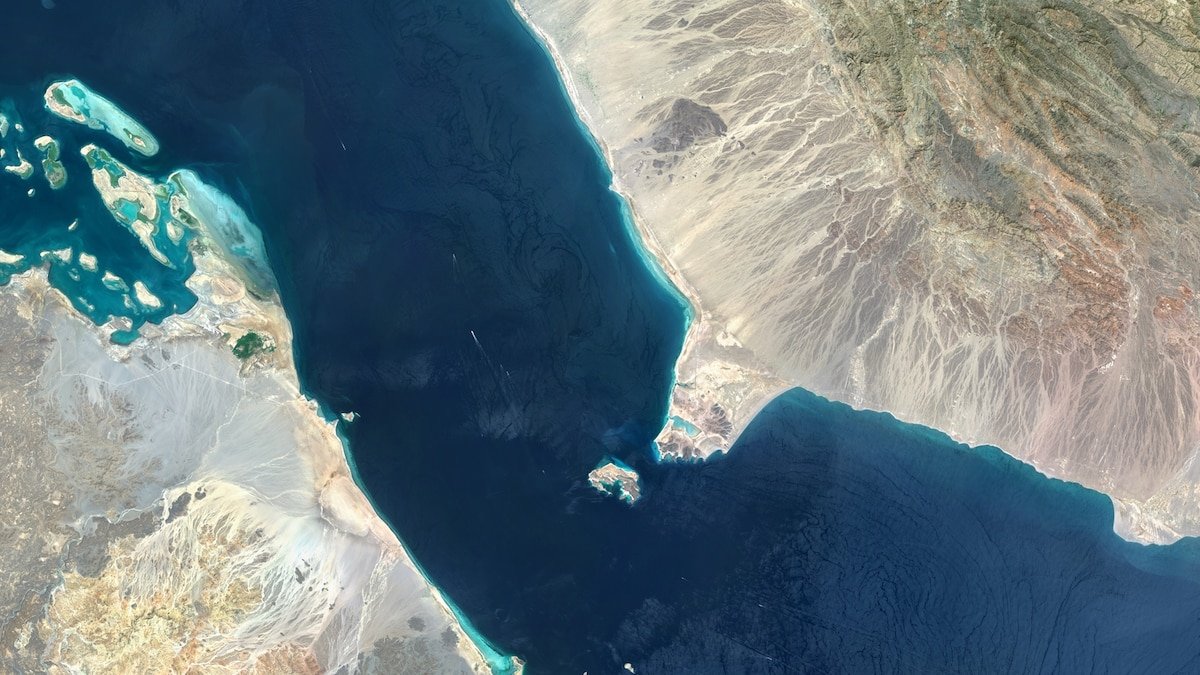
This market will resolve according to the total number of transit calls that IMF Portwatch reports for the Bab el-Mandeb Strait for all days from July 20, 2026, through July 26, 2026, inclusive. Transit calls include container, dry bulk, roll-on/roll-off, general cargo, and tanker ships. Ships not reported by IMF Portwatch will not be considered. This market will resolve as soon as all relevant data has been published. If the relevant data is not published within 14 calendar days of the specified date, this market will resolve based on the most recent data published up to that point. In case of obvious data integrity issues (i.e., erroneous data), the market may remain open until the end of the third calendar day (ET) after the date on which such data is first released to allow for corrections. Data integrity issues refer only to clerical or other similar errors in the underlying data, and do not include cases where IMF Portwatch differs from alternative sources. Only revisions to previously published data points made before all relevant data has been published will be considered. The resolution source for this market will be IMF PortWatch, specifically the “Arrivals of Ships” data published for the Bab el-Mandeb Strait at https://portwatch.imf.org/pages/6b1814d64903461b98144a6cc25eb79c.
Polymarket
This market will resolve according to the total number of transit calls that IMF Portwatch reports for the Bab el-Mandeb Strait for all days from July 20, 2026, through July 26, 2026, inclusive. Transit calls include container, dry bulk, roll-on/roll-off, general cargo, and tanker ships. Ships not reported by IMF Portwatch will not be considered. This market will resolve as soon as all relevant data has been published. If the relevant data is not published within 14 calendar days of the specified date, this market will resolve based on the most recent data published up to that point. In case of obvious data integrity issues (i.e., erroneous data), the market may remain open until the end of the third calendar day (ET) after the date on which such data is first released to allow for corrections. Data integrity issues refer only to clerical or other similar errors in the underlying data, and do not include cases where IMF Portwatch differs from alternative sources. Only revisions to previously published data points made before all relevant data has been published will be considered. The resolution source for this market will be IMF PortWatch, specifically the “Arrivals of Ships” data published for the Bab el-Mandeb Strait at https://portwatch.imf.org/pages/6b1814d64903461b98144a6cc25eb79c.
Frequently asked questions
Prediction markets and sportsbooks operate on fundamentally different principles. Sportsbooks set fixed odds and act as the counterparty to every bet, managing risk through margin and limits. Prediction markets like this one use peer-to-peer trading, where odds emerge from supply and demand among participants with real money at stake. Because traders here are directly exposed to outcome uncertainty—not filtered through a bookmaker's risk model—market prices often reflect distributed information and real-time conviction more fluidly than traditional sportsbook lines, especially for niche events like shipping volumes.
On Polymarket, this market is priced through an automated market maker mechanism where traders buy and sell outcome shares directly from a liquidity pool. On Polymarket, prices reflect that venue's order book, liquidity, and how traders price the outcome right now. The price of each outcome reflects the ratio of shares in the pool, so as traders accumulate positions, prices adjust dynamically. Higher demand for a particular outcome—such as the 240–249 ship range—pushes its price upward, while lower demand depresses it. This continuous repricing ensures the market always reflects the latest trader sentiment and available information about the week's transit volume.
This market resolves around Jul 26, 2026, once the event window closes and the actual transit count becomes verifiable. The outcome is determined by the number of ships that transit the Bab el-Mandeb Strait during the week of July 20, confirmed against credible public sources and maritime reporting. Whichever outcome bracket matches the final verified count will be deemed correct, and traders holding shares in that outcome receive their payout. Until resolution, prices will fluctuate as new information and trader positioning evolve.
Several factors could shift trader positioning in this market. Geopolitical tensions in the Red Sea region, shipping incidents, or changes in regional security posture could alter expectations for transit volumes. Economic data affecting global trade flows, seasonal shipping patterns, and announcements from major shipping lines or port authorities may also influence predictions. Real-time vessel tracking reports, insurance premium changes, and news about alternative routing decisions could prompt rapid repricing. As the resolution date approaches and partial week data becomes available, traders will incorporate actual observed transits, creating convergence toward the true outcome.


'%3e%3ccircle%20cx='26'%20cy='26'%20r='26'%20fill='%23000'/%3e%3cpath%20fill='%23fff'%20d='M27.6629%2037.9855L31.004%2037.6925L32.1989%2051.3689C33.72%2051.027%2035.2073%2050.5486%2036.6425%2049.9395V37.8085H40.7697V47.7178C42.4942%2046.577%2044.0775%2045.236%2045.4865%2043.7226L46.0172%2037.6591L49.5548%2037.9678C51.5707%2034.0725%2052.5697%2029.7306%2052.4591%2025.3456C52.3484%2020.9605%2051.1317%2016.6746%2048.9219%2012.886L48.7903%2014.392L44.6631%2014.0303L45.1937%207.97067C43.8569%206.58147%2042.3706%205.34447%2040.7619%204.28222V14.2406H36.6347V2.06247C34.8743%201.313%2033.0358%200.762345%2031.1533%200.420753L32.3463%2014.0637L29.0052%2014.3566L27.7513%200.0314647C27.3308%200.0118035%2026.9062%200%2026.4817%200C24.8262%204.44017e-06%2023.1745%200.157349%2021.5487%200.469906L23.9072%2013.8985L21.364%2014.3468L19.0253%201.0853C16.8454%201.73668%2014.7611%202.67345%2012.8266%203.87129L15.4601%2013.7019L13.4634%2014.2387L11.0146%205.09226C9.12509%206.49278%207.43337%208.1422%205.98527%209.99577L7.26077%2013.5014L5.80446%2014.0322L4.88665%2011.5097C3.41845%2013.6953%202.29182%2016.092%201.54558%2018.6172L1.95829%2018.4678L7.2647%2033.0387L5.80839%2033.5696L1.06407%2020.5303C-0.0225105%2025.6016%200.430464%2030.8821%202.36486%2035.6941C4.29926%2040.5061%207.62683%2044.6301%2011.9206%2047.5369L9.45605%2038.3355L11.4528%2037.7987L14.4677%2049.0567C16.5333%2050.1354%2018.7355%2050.9291%2021.0142%2051.4161L18.6892%2038.1605L21.2343%2037.7122L23.7283%2051.8683C24.6462%2051.9654%2025.5686%2052.014%2026.4916%2052.0138C27.2954%2052.0138%2028.0933%2051.9764%2028.8795%2051.9037L27.6629%2037.9855Z'%20/%3e%3cpath%20fill='%23000'%20d='M46.0368%2018.1276L50.1542%2018.4875L48.804%2033.9372L44.6768%2033.5774L46.0368%2018.1276ZM36.6484%2018.279H40.7756V33.7858H36.6484V18.279ZM31.0099%2018.1611L32.3601%2033.6109L29.019%2033.9038L27.6668%2018.454L31.0099%2018.1611ZM13.481%2033.7898L9.4698%2018.8099L11.4666%2018.2751L15.4778%2033.2452L13.481%2033.7898ZM21.3817%2033.892L18.6892%2018.6211L21.2343%2018.1729L23.9248%2033.4418L21.3817%2033.892Z'%20/%3e%3c/g%3e%3c/svg%3e)