TOTAL VOLUME:
$154.6b
24H VOL:
$333,432,169
24H TRANSACTIONS:
2,984,640,614
OPEN INTEREST:
$1,971,286,090
419,492
Markets across
40,634
events
MATCHED EVENTS:
4,654
PLATFORM COVERAGE:
5
Polymarket:
37%
VS.
Kalshi:
63%
Closed: Oct 11, 10:00 AM EST

Kalshi
Description
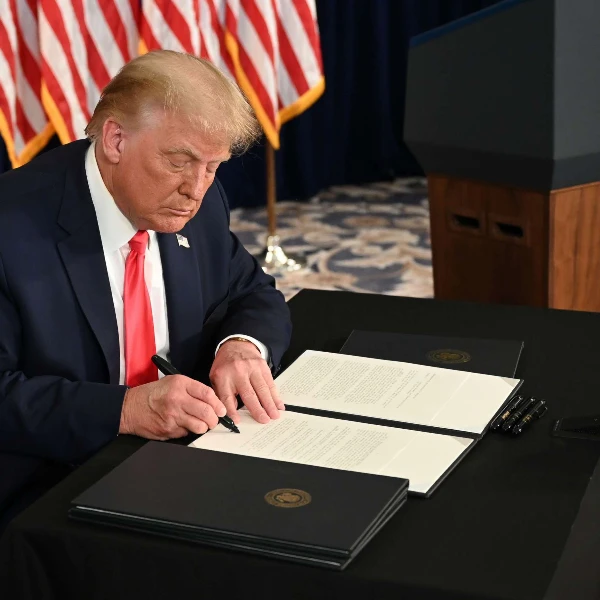
The number of judicial or executive nominations a president sends to the Senate reflects their administrative priorities and the pace of government operations. Tracking these nominations over a week offers a snapshot of presidential activity and the legislative workload during that period.
Kalshi
If Donald Trump has sent at least 1 nominations to the U.S. Senate from Oct 4, 2026 through Oct 10, 2026 (as checked on the “Presidential Actions” page at whitehouse.gov at 10:00 AM ET on Oct 11, 2026), then the market resolves to Yes. If Donald Trump has sent at least 3 nominations to the U.S. Senate from Oct 4, 2026 through Oct 10, 2026 (as checked on the “Presidential Actions” page at whitehouse.gov at 10:00 AM ET on Oct 11, 2026), then the market resolves to Yes. If Donald Trump has sent at least 5 nominations to the U.S. Senate from Oct 4, 2026 through Oct 10, 2026 (as checked on the “Presidential Actions” page at whitehouse.gov at 10:00 AM ET on Oct 11, 2026), then the market resolves to Yes. If Donald Trump has sent at least 10 nominations to the U.S. Senate from Oct 4, 2026 through Oct 10, 2026 (as checked on the “Presidential Actions” page at whitehouse.gov at 10:00 AM ET on Oct 11, 2026), then the market resolves to Yes.
Frequently asked questions
Generally, prediction market odds often reflect a more nuanced and up-to-date assessment of potential outcomes than traditional polls. Polling averages capture a snapshot in time and are subject to biases related to sampling and question wording. This market, however, aggregates the informed opinions of individuals with 'skin in the game,' meaning they financially benefit from accurate predictions. While polls may indicate general public sentiment, this market can offer a different perspective, potentially factoring in insider information or sophisticated analysis not captured by standard surveys. It's important to consider both sources when forming a comprehensive view.
On Kalshi, this market is priced using a continuous double auction, where traders buy and sell contracts representing different possible outcomes. The price of each contract reflects the probability of that outcome occurring, as perceived by the market participants. On Kalshi, prices reflect that venue's order book, liquidity, and how traders price the outcome right now. As more traders participate and new information emerges, the prices adjust accordingly, providing a real-time assessment of expectations. The market’s price movements are driven by supply and demand – if many traders believe a particular outcome is likely, the price of the corresponding contract will increase, and vice versa.
This market resolves around Oct 11, 2026, with the outcome confirmed once the event is verifiable from credible public reporting. Specifically, the number of presidential nominations sent to the Senate during the specified week (October 4th – October 10th, 2026) will be counted. This count will be based on official Senate records and reporting from reputable news organizations. The market will settle to the closest corresponding outcome based on this verified number, reflecting the collective prediction of traders on Kalshi.
Several factors could significantly influence this market. Any announcements regarding potential nominees, the Senate’s schedule, or political developments impacting the confirmation process could all shift trader sentiment. Unexpected political events, such as a major legislative push or a shift in public opinion regarding Trump, could also play a role. Furthermore, statements from key senators regarding their willingness to confirm nominees, or any procedural hurdles that arise in the Senate, would likely cause price fluctuations in this market. Monitoring these signals will be crucial for understanding market movements.
