TOTAL VOLUME:
$154.3b
24H VOL:
$228,458,490
24H TRANSACTIONS:
2,984,028,936
OPEN INTEREST:
$1,879,276,037
410,833
Markets across
40,345
events
MATCHED EVENTS:
4,363
PLATFORM COVERAGE:
5
Polymarket:
37%
VS.
Kalshi:
63%

Description
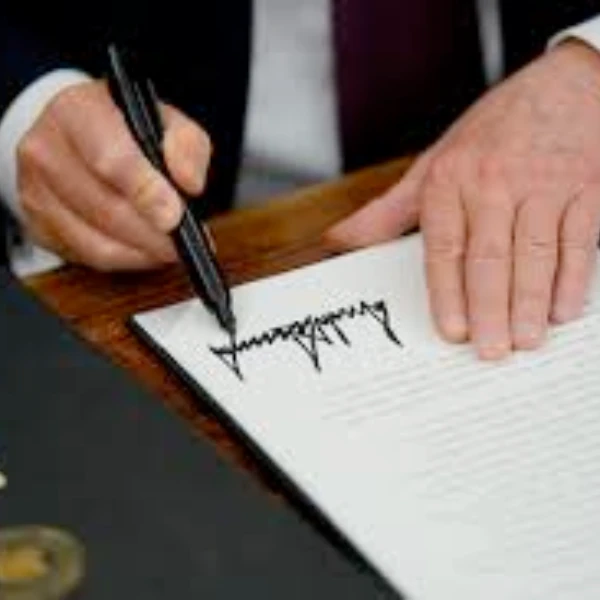
This event tracks the number of formal presidential directives signed within a specific timeframe. It focuses on official actions taken by the head of state during a defined period, reflecting administrative priorities and actions. The outcome depends purely on documented executive actions without considering their subsequent effects or revisions.
Kalshi
All markets resolve based on the total count of valid Executive Orders signed by the President between October 11, 2026 and October 17, 2026, as documented in the Federal Register. A valid Executive Order must be formally titled, sequentially numbered, signed by the President, published in the Federal Register, and possess the force of law at the time of signing. The signing date recorded in the Federal Register determines period eligibility, meaning orders published after the period but signed during it count. All properly designated Executive Orders are included in the count regardless of later revocation or amendment. Contracts expire two weeks after the period ends, with possible early expiration if relevant orders are published late. Markets with thresholds of 0, 1, 2, 3, or 4 orders resolve to 'Yes' if the actual count exceeds the respective threshold.
Frequently asked questions
Currently, prediction market odds often reflect a different perspective than traditional polling averages. While polls capture stated opinions, this market represents what people are willing to *bet* will happen. This can lead to divergences, especially when events are subject to strategic considerations or hidden information. It's common to see prediction markets adjust more quickly to new information than polls, as traders actively incorporate developments into their assessments. The difference between prediction market probabilities and polling averages can sometimes be significant, offering a unique insight into perceived likelihoods.
On Kalshi, this market is priced using a continuous double auction. Traders submit buy and sell orders for contracts representing different numbers of executive orders. The price of each contract fluctuates based on supply and demand, reflecting the collective belief of participants. On Kalshi, prices reflect that venue's order book, liquidity, and how traders price the outcome right now. This means the price isn't set by a bookmaker, but emerges from the interactions of numerous individuals, each with their own information and expectations. The market mechanism aims to aggregate diverse perspectives into a single, real-time probability assessment.
This market resolves around Oct 31, 2026, with the outcome confirmed once the total number of executive orders signed by former President Trump between October 11th and October 17th is verifiable from credible public reporting. The final count will be sourced from official government records and news agencies to ensure accuracy. The market will settle to the contract corresponding to the actual number of executive orders signed during the specified timeframe, providing a clear and objective outcome for all participants.
Several signals could significantly move this market before Oct 31, 2026. Any official statements from former President Trump regarding his plans for executive actions would be a major catalyst. Unexpected political developments, such as legislative setbacks or international crises, could also influence the likelihood of executive orders being issued. Furthermore, media coverage and analysis focusing on the potential for executive action could sway trader sentiment. Finally, any clarification regarding the legal authority for specific executive orders could impact the market's pricing, as traders adjust their expectations based on the feasibility of implementation.


