TOTAL VOLUME:
$154.3b
24H VOL:
$219,029,434
24H TRANSACTIONS:
2,984,028,936
OPEN INTEREST:
$1,869,293,526
411,051
Markets across
40,408
events
MATCHED EVENTS:
4,377
PLATFORM COVERAGE:
5
Polymarket:
37%
VS.
Kalshi:
63%

Closed: Oct 9, 12:21 AM EST

Polymarket
Description
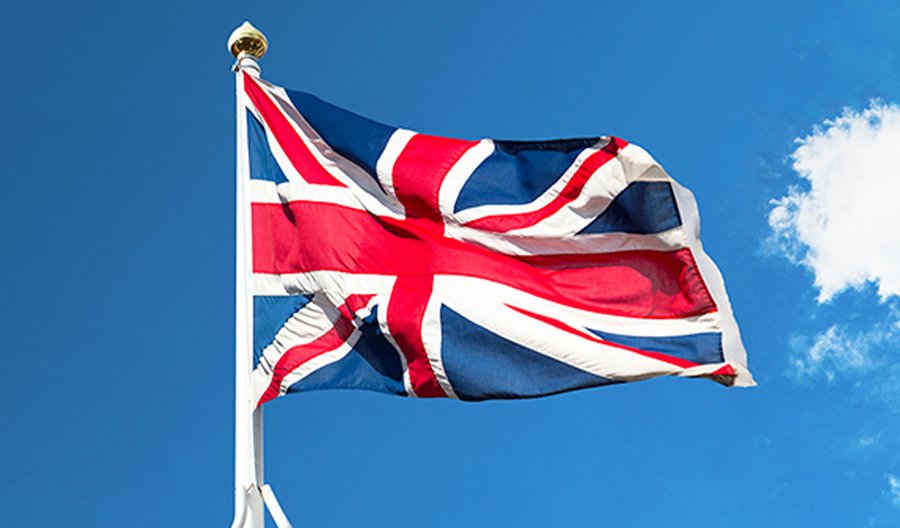
This event group concerns the winner of the 2026 Holborn and St Pancras by-election, triggered by Keir Starmer's resignation. The markets aim to predict which candidate will secure victory in this UK parliamentary constituency.
PredictionHero - Resolution Divergence Alerts (RDA)
Divergence Detected
Issue: Kalshi markets resolve on any of the major parties winning, while Polymarket focuses on individual candidates. This creates a significant difference in scope and resolution criteria.Hero tip: Treat Kalshi as a broad 'major party win' bet and Polymarket as individual candidate bets. Consider the aggregate probability across Polymarket's candidate markets to estimate the likelihood of a major party win.Critical divergence points:
- Polymarket: Resolves to YES if a specific candidate listed wins the election. Includes a large number of candidate-specific markets. If no winner is known by June 30, 2027, it resolves to 'Other'. Resolution source is consensus reporting or Camden Council official results. "Will Sagal Abdi-Wali win the Holborn and St Pancras by-election?"
- Kalshi: Resolves to YES if *any* of the listed major parties (Labour, Green, Reform, Conservative, Liberal Democrats) win the election. Does not specify a particular candidate. "If Labour Party wins the 2026 Holborn and St Pancras by-election, then the market resolves to Yes."
Polymarket
A by-election for the United Kingdom parliamentary constituency of Holborn and St Pancras is expected to be held in 2026 following the announced resignation of incumbent Sir Keir Starmer. This market will resolve according to the candidate who wins the Holborn and St Pancras parliamentary by-election. If the election results are not known definitively by June 30, 2027, 11:59 PM ET, this market will resolve to "Other". The resolution source for this market will be a consensus of credible reporting. In case of ambiguity, this market will resolve solely based on official election results as published by Camden Council (https://www.camden.gov.uk/).
Kalshi
The event resolves to Yes for any market where the corresponding political party is officially declared the winner of the 2026 Holborn and St Pancras by-election. Each party-specific market has an associated secondary rule allowing for accelerated resolution should a consensus of media outlets call the election result in favor of that party before the official declaration. This mechanism aims to address rapid developments in the electoral process while maintaining accuracy through media verification.
Frequently asked questions
Prices for the Holborn and St Pancras by-election can vary between Polymarket and Kalshi due to several factors. Polymarket and Kalshi can show different implied probabilities for the same outcome because of liquidity, fee structure, participant mix, and how each venue defines the contract. Each platform has its own user base, trading rules, and liquidity levels, which can influence price discovery. Differences in market design, such as fees or margin requirements, may also contribute to discrepancies. Furthermore, differing interpretations of available information and varying levels of risk appetite among traders on each platform can lead to divergent pricing. It’s common to see slight variations, but significant differences may indicate strong conviction on one platform versus the other.