TOTAL VOLUME:
$154.6b
24H VOL:
$323,326,361
24H TRANSACTIONS:
2,984,640,614
OPEN INTEREST:
$1,969,435,260
419,363
Markets across
40,411
events
MATCHED EVENTS:
4,612
PLATFORM COVERAGE:
5
Polymarket:
37%
VS.
Kalshi:
63%
Closed: Oct 16, 9:59 AM EST

Kalshi
Description
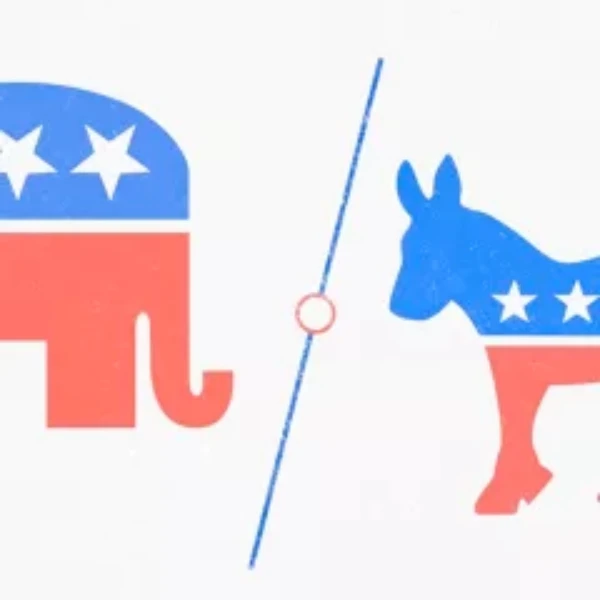
This event examines the relative performance of major political parties in congressional elections over a set timeframe. It focuses on which party, on average, is more likely to win a hypothetical vote. The result hinges on whether the difference between the parties' projected vote shares crosses a predetermined level by the conclusion of the window.
Kalshi
If the VoteHub 2026 generic ballot margin (D − R, time-weighted) is above 8.7% at 10:00 AM ET on Oct 16, 2026, then the market resolves to Yes.
Frequently asked questions
Currently, prediction market odds offer a distinct perspective compared to traditional polling averages. While polls attempt to capture a snapshot of voter intentions at a specific moment, this market reflects a continuously updated assessment of probabilities based on collective trader wisdom. Historically, prediction markets have often proven more accurate than polls in forecasting election outcomes, as traders have an incentive to accurately assess the likelihood of different scenarios. Examining the difference between this market and polling averages can reveal valuable insights into public perception and potential shifts in voter behavior.
On Kalshi, this market is priced using a continuous double auction. Traders buy and sell contracts representing their belief about whether Democrats will be up or down in the generic ballot. The price of a contract reflects the probability of that outcome occurring, as perceived by the market participants. On Kalshi, prices reflect that venue's order book, liquidity, and how traders price the outcome right now. As more traders participate and new information becomes available, the price dynamically adjusts, providing a real-time assessment of the likelihood of each outcome. This mechanism allows for a fluid and responsive market that incorporates diverse perspectives.
This market resolves around Oct 16, 2026, with the outcome confirmed once the event is verifiable from credible public reporting. The resolution will be based on the final results of the generic ballot question as reported by a reputable source following the specified polling period (October 9-16). Traders will then be able to claim their winnings or fulfill their obligations based on whether their predictions aligned with the actual outcome. The market’s resolution provides a clear and objective assessment of the accuracy of predictions made prior to the event.
Several signals or events could significantly move this market before Oct 16, 2026. Major economic announcements, such as jobs reports or inflation data, could influence voter sentiment and shift the perceived likelihood of a Democratic advantage. Unexpected political developments, like a significant gaffe by a prominent candidate or a major policy announcement, could also impact the market. Furthermore, the release of new polling data, particularly if it deviates significantly from current averages, could trigger a reassessment of probabilities among traders. Any event that alters the perceived trajectory of the election could lead to substantial price movements in this market.
