TOTAL VOLUME:
$154.6b
24H VOL:
$333,432,169
24H TRANSACTIONS:
2,984,640,614
OPEN INTEREST:
$1,971,286,090
419,492
Markets across
40,634
events
MATCHED EVENTS:
4,654
PLATFORM COVERAGE:
5
Polymarket:
37%
VS.
Kalshi:
63%

Time left: 10d:16h:31m
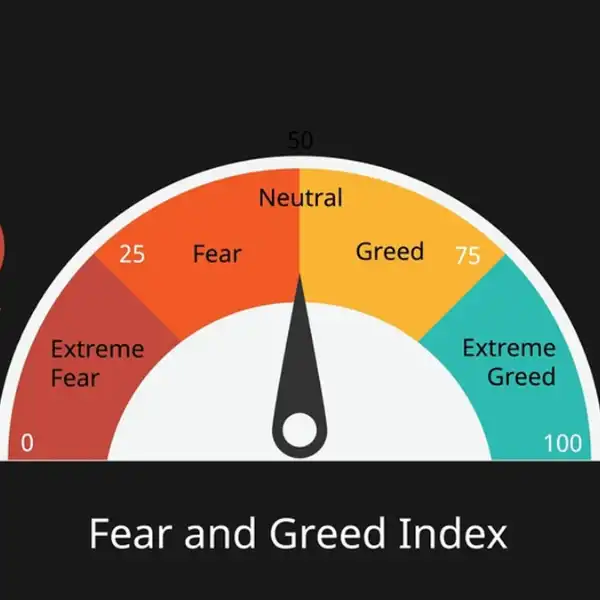
Fear & Greed Index on Nov 6, 2026?
$
Description
The Fear & Greed Index measures market sentiment by aggregating data points like volatility, momentum, put/call ratios, and market breadth into a single numerical value that is categorized. On any given day, this index falls into one of five categories that reflect varying degrees of investor optimism or pessimism. Observing the index on a specific date provides insight into the collective mood of market participants at that moment.
Kalshi
If the value at 4:00 PM ET on Nov 6, 2026 is Extreme Fear, then the market resolves to Yes. If the value at 4:00 PM ET on Nov 6, 2026 is Fear, then the market resolves to Yes. If the value at 4:00 PM ET on Nov 6, 2026 is Neutral, then the market resolves to Yes. If the value at 4:00 PM ET on Nov 6, 2026 is Greed, then the market resolves to Yes. If the value at 4:00 PM ET on Nov 6, 2026 is Extreme Greed, then the market resolves to Yes.
Frequently asked questions
Comparing the odds in this market to traditional analyst forecasts reveals how collective prediction differs from expert opinion. Often, prediction markets can incorporate a wider range of information and perspectives than individual analysts, potentially leading to more accurate forecasts. However, analyst opinions can offer valuable context and qualitative insights that aren’t necessarily reflected in market pricing. It’s important to consider both sources when forming a view on the future value of the Fear & Greed Index.
On Kalshi, this market is priced using a continuous double auction, where traders buy and sell contracts representing different outcomes. The price of a contract reflects the market’s assessment of the probability of that outcome occurring. As more traders participate, the prices adjust to reflect the collective wisdom of the crowd. On Kalshi, prices reflect that venue's order book, liquidity, and how traders price the outcome right now. Price movements are driven by supply and demand, influenced by news events, economic data releases, and overall market sentiment regarding the Fear & Greed Index.
This market resolves around Nov 13, 2026, with the outcome confirmed once the event is verifiable from credible public reporting. The final value of the Fear & Greed Index on November 6, 2026, as published by a reputable financial data provider, will determine the winning outcome. Traders will be able to claim their winnings based on whether their predictions aligned with the actual index value at the time of resolution. This allows for a transparent and objective determination of the market’s result.
Several factors could significantly influence this market before Nov 13, 2026. Major economic announcements, such as inflation reports or interest rate decisions, could shift investor sentiment and impact the Fear & Greed Index. Unexpected geopolitical events or financial crises could also trigger substantial market movements. Furthermore, changes in market volatility, trading volume, and overall risk appetite are likely to play a role in shaping the odds. Monitoring these signals will be crucial for understanding potential shifts in this market.


