TOTAL VOLUME:
$154.7b
24H VOL:
$279,496,801
24H TRANSACTIONS:
2,984,640,614
OPEN INTEREST:
$1,923,931,766
416,910
Markets across
40,107
events
MATCHED EVENTS:
4,571
PLATFORM COVERAGE:
5
Polymarket:
37%
VS.
Kalshi:
63%
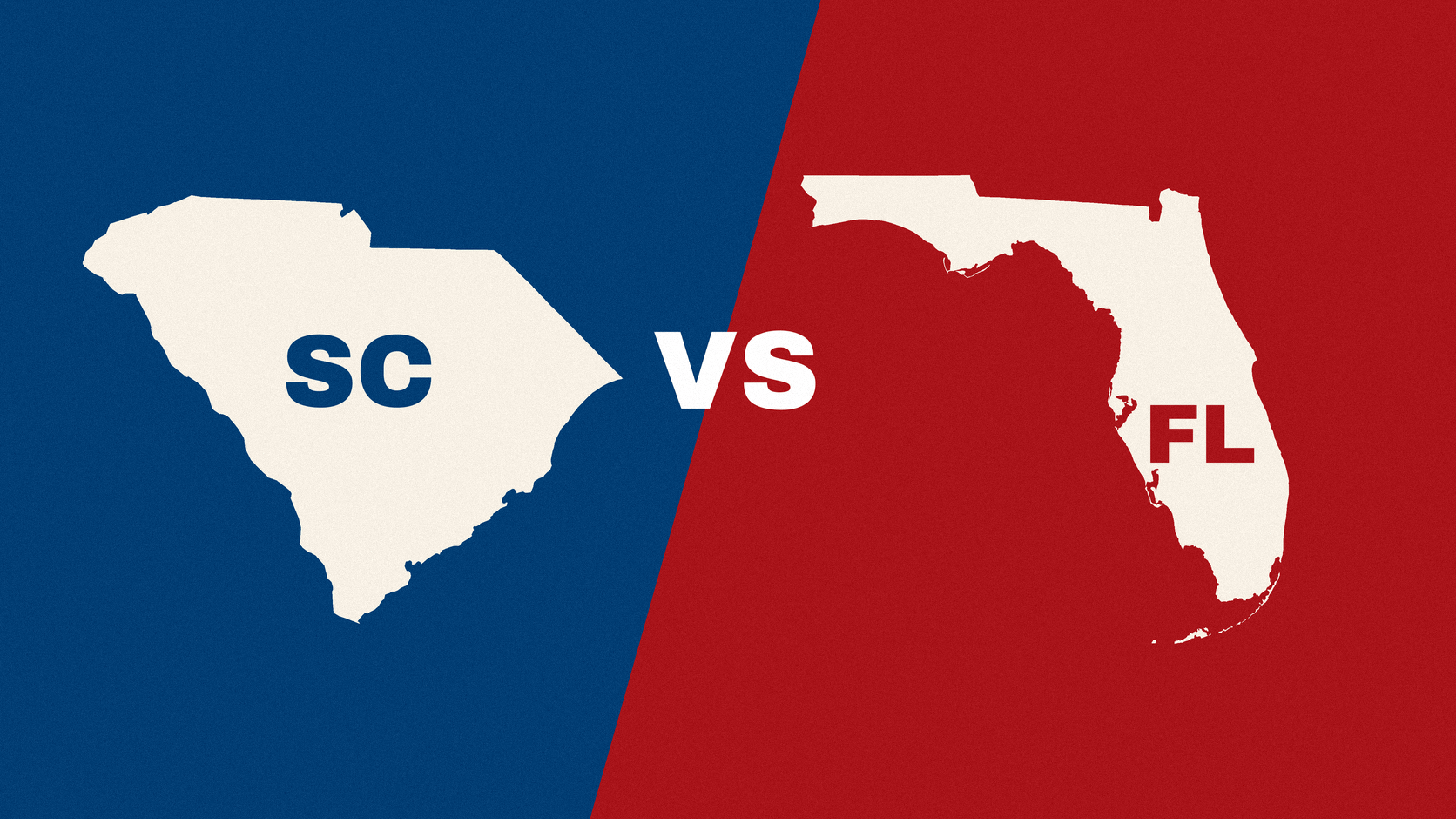
Closer Senate Race: Florida or South Carolina?
Closer Senate Race: Florida or South Carolina?
- Polymarket
Closer Senate Race: Florida or South Carolina? - Polymarket
1W
News
Positive
Negative
Neutral
Hover marker for details
Vol.
·
Resolves Nov 3, 2026
Time left: 01d:00h:00m
Closer Senate Race: Florida or South Carolina?
$

Closer Senate Race: Florida or South Carolina?
Description
The 2026 midterm elections are scheduled to be held on November 3, 2026. This market will resolve to "Florida" if the regularly-scheduled US Senate race in Florida has a smaller unrounded margin of victory than that of the South Carolina Senate election. This market will resolve to "South Carolina" if the regularly-scheduled US Senate race in South Carolina has a smaller unrounded margin of victory than that of the Florida Senate election. If both states have the same margin of victory, this market will resolve 50-50. For the purpose of this market, the “margin of victory” is defined as the absolute difference between the percentages of valid votes received by the first- and second-place candidates. Percentages of the valid votes received by each candidate will be determined by dividing the total number of valid votes each of the top two candidates receives by the sum of all valid votes cast in the election. For elections that include runoffs, ranked-choice, or other multi-round elections, the relevant margin of victory will be that of the round in which the winner is determined. In the event that a relevant margin of victory cannot be determined by March 31, 2027, that state's margin of victory will be considered to be 0% for purposes of this market. The resolution source for this market will be a compilation of all of the relevant state election authorities responsible for certifying statewide elections, however, a consensus of credible reporting may also be used.
Polymarket
The 2026 midterm elections are scheduled to be held on November 3, 2026. This market will resolve to "Florida" if the regularly-scheduled US Senate race in Florida has a smaller unrounded margin of victory than that of the South Carolina Senate election. This market will resolve to "South Carolina" if the regularly-scheduled US Senate race in South Carolina has a smaller unrounded margin of victory than that of the Florida Senate election. If both states have the same margin of victory, this market will resolve 50-50. For the purpose of this market, the “margin of victory” is defined as the absolute difference between the percentages of valid votes received by the first- and second-place candidates. Percentages of the valid votes received by each candidate will be determined by dividing the total number of valid votes each of the top two candidates receives by the sum of all valid votes cast in the election. For elections that include runoffs, ranked-choice, or other multi-round elections, the relevant margin of victory will be that of the round in which the winner is determined. In the event that a relevant margin of victory cannot be determined by March 31, 2027, that state's margin of victory will be considered to be 0% for purposes of this market. The resolution source for this market will be a compilation of all of the relevant state election authorities responsible for certifying statewide elections, however, a consensus of credible reporting may also be used.
Frequently asked questions
Currently, prediction market odds often reflect a different perspective than traditional polling averages. While polls attempt to capture a snapshot of voter sentiment at a specific moment, this market aggregates the informed opinions of many individuals over time. Discrepancies can arise due to factors like poll weighting, sample bias, and the ability of market participants to incorporate a wider range of information, including fundraising data, candidate quality, and broader political trends. It’s common to see this market adjust more quickly to new information than polls do.
On Polymarket, this market is priced using a continuous double auction. Traders buy and sell shares representing their belief in the likelihood of each outcome. As more shares are bought for a particular outcome, its price increases, reflecting a higher implied probability. Conversely, selling shares drives the price down. On Polymarket, prices reflect that venue's order book, liquidity, and how traders price the outcome right now. The price of a share directly corresponds to the probability of that outcome occurring, scaled to 100. The current price reflects the collective wisdom of all traders participating in the market.
This market resolves around Nov 4, 2026, following the 2026 Senate elections in Florida and South Carolina. The outcome will be determined by which party controls each Senate seat after the election results are certified. The outcome will be verified against credible public reporting from sources such as the Associated Press and official election results released by state election boards. This market will settle to 100% for the outcome that is confirmed by these sources, and 0% for the opposing outcome.
Several factors could significantly impact this market. Major economic shifts, significant candidate announcements (such as a key candidate dropping out), unexpected scandal revelations, and shifts in national political sentiment could all cause traders to reassess their probabilities. Polling data releases, while not always directly correlated, can also influence trading activity. Furthermore, any major events specific to Florida or South Carolina, such as changes in the state’s demographics or key legislative decisions, could also move this market.
